




Symptoms accompanying vein changes can provide important clues.
Varicose Veins
Varicose veins are among the most common vein disorders.
They occur when vein valves weaken or fail.
Instead of flowing efficiently toward the heart, blood begins pooling inside the veins.
Over time, the veins enlarge and become twisted.
Appearance of Varicose Veins
Varicose veins often appear:
- Blue
- Purple
- Bulging
- Rope-like
- Twisted
They most commonly affect the legs.
Symptoms
In addition to cosmetic concerns, varicose veins may cause:
- Aching
- Heaviness
- Burning
- Itching
- Swelling
- Night cramps
- Leg fatigue
Symptoms often worsen after prolonged standing.
Chronic Venous Insufficiency
Chronic Venous Insufficiency (CVI) develops when leg veins struggle to return blood to the heart.
This condition is more serious than simple cosmetic vein changes.
Risk Factors
CVI is more common among:
- Older adults
- Individuals who stand for long periods
- People with obesity
- Those with a family history of vein disease
Symptoms
Signs may include:
- Persistent leg swelling
- Aching discomfort
- Skin discoloration
- Thickened skin
- Slow-healing wounds
- Venous ulcers
Without treatment, symptoms may progressively worsen.
Spider Veins
Spider veins are smaller than varicose veins.
They often appear as:
- Red lines
- Blue webs
- Purple branching patterns
Common locations include:
- Legs
- Ankles
- Face
Spider veins are usually harmless but may occasionally indicate underlying venous issues.
Superficial Thrombophlebitis
This condition involves inflammation of a vein located near the skin’s surface.
A small blood clot often triggers the inflammation.
Symptoms
Common signs include:
- Redness
- Warmth
- Tenderness
- Swelling
- Pain
- Firm cord-like veins
Although usually less dangerous than deep vein thrombosis, medical evaluation is still recommended.
Deep Vein Thrombosis (DVT)
Deep Vein Thrombosis is one of the most serious vein-related conditions.
DVT occurs when a blood clot forms within a deep vein, usually in the leg.
Unlike varicose veins, the clot itself often isn’t visible.
However, surrounding veins may become more prominent as circulation attempts to compensate.
Symptoms
Possible warning signs include:
- Sudden leg swelling
- Calf pain
- Tenderness
- Warm skin
- Redness
- Unexplained discomfort
Why DVT Is Dangerous
A clot can break loose and travel to the lungs.
This complication, called pulmonary embolism, can be life-threatening.
Immediate medical evaluation is essential whenever DVT is suspected.
Warning Signs You Should Never Ignore
Visible veins alone are rarely dangerous.
However, seek medical evaluation if you experience:
Pain
Painful veins deserve attention.
Discomfort may signal inflammation or circulation problems.
Swelling
Persistent swelling in one or both legs may indicate venous disease.
Skin Changes
Watch for:
- Brown discoloration
- Thickened skin
- Redness
- Ulcers
- Open sores
These changes often suggest chronic circulation problems.
Bleeding
Varicose veins close to the skin surface can occasionally rupture and bleed.
Even minor bleeding warrants medical assessment.
Sudden Appearance
Rapid development of prominent veins without an obvious explanation should be evaluated.
How Doctors Evaluate Vein Problems
Healthcare providers use several methods to assess vein health.
Medical History
Your doctor will ask about:
- Symptoms
- Family history
- Medications
- Activity level
- Previous blood clots
Physical Examination
The appearance, texture, and location of veins provide valuable diagnostic information.
Ultrasound
A Doppler ultrasound allows doctors to:
- Assess blood flow
- Detect valve dysfunction
- Identify blood clots
- Evaluate circulation
This painless test is commonly used for vein disorders.
Treatment Options for Visible Veins
Treatment depends on the underlying cause.
Compression Stockings
Compression stockings improve circulation by gently squeezing the legs.
Benefits include:
- Reduced swelling
- Improved blood flow
- Less discomfort
- Slower progression of vein disease
Sclerotherapy
A solution is injected into problematic veins.
The vein collapses and gradually fades.
This procedure is commonly used for:
- Spider veins
- Small varicose veins
Laser Therapy
Laser treatments use focused light energy to close unwanted veins.
They are especially effective for smaller visible veins.
Endovenous Ablation
This minimally invasive procedure uses heat to seal larger varicose veins.
Recovery is typically quicker than traditional surgery.
Surgical Options
Severe cases may occasionally require surgical intervention.
Modern techniques are generally less invasive than older procedures.
Lifestyle Habits That Support Healthy Veins
Daily habits can significantly influence vein health.
Stay Physically Active
Walking is one of the best activities for vein circulation.
Muscle contractions help push blood upward toward the heart.
Avoid Long Periods of Sitting
Try to move every 30 to 60 minutes.
Regular movement reduces blood pooling.
Elevate Your Legs
Raising your legs above heart level helps reduce swelling and improves circulation.
Maintain a Healthy Weight
Excess body weight increases pressure on leg veins.
Weight management can reduce strain on the circulatory system.
Wear Compression Socks When Needed
People who stand for long periods may benefit from compression garments.
Stay Hydrated
Adequate hydration supports healthy circulation and overall vascular function.
The Bottom Line
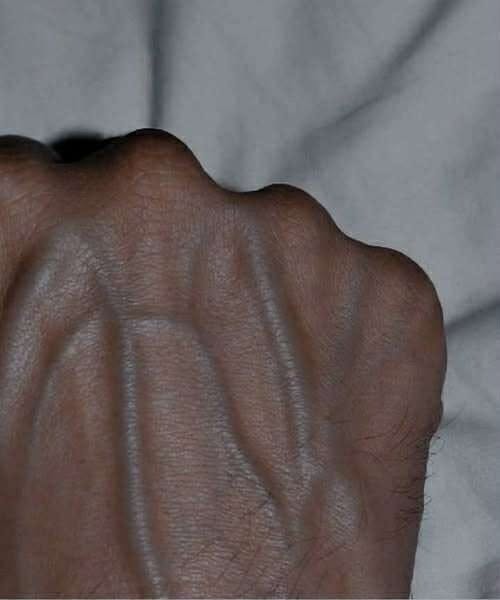
Visible veins are often a normal part of life.
Genetics, aging, exercise, heat, pregnancy, and low body fat can all make veins easier to see. In many cases, prominent veins are simply a reflection of healthy circulation and natural body changes.
However, visible veins should not be dismissed entirely. When accompanied by pain, swelling, skin discoloration, warmth, tenderness, or sudden changes, they may signal underlying vein disease or circulation problems that require medical attention.
The key is understanding the difference between normal vein visibility and warning signs that deserve further evaluation.
Most importantly, listen to your body.
Healthy veins usually don’t hurt.
If your veins become painful, swollen, or associated with other symptoms, speaking with a healthcare professional can provide reassurance and help identify potential issues before they become more serious.
Your circulatory system works tirelessly every day. Paying attention to the signals it sends is one of the simplest ways to protect your long-term health and well-being.
Leave a Reply