





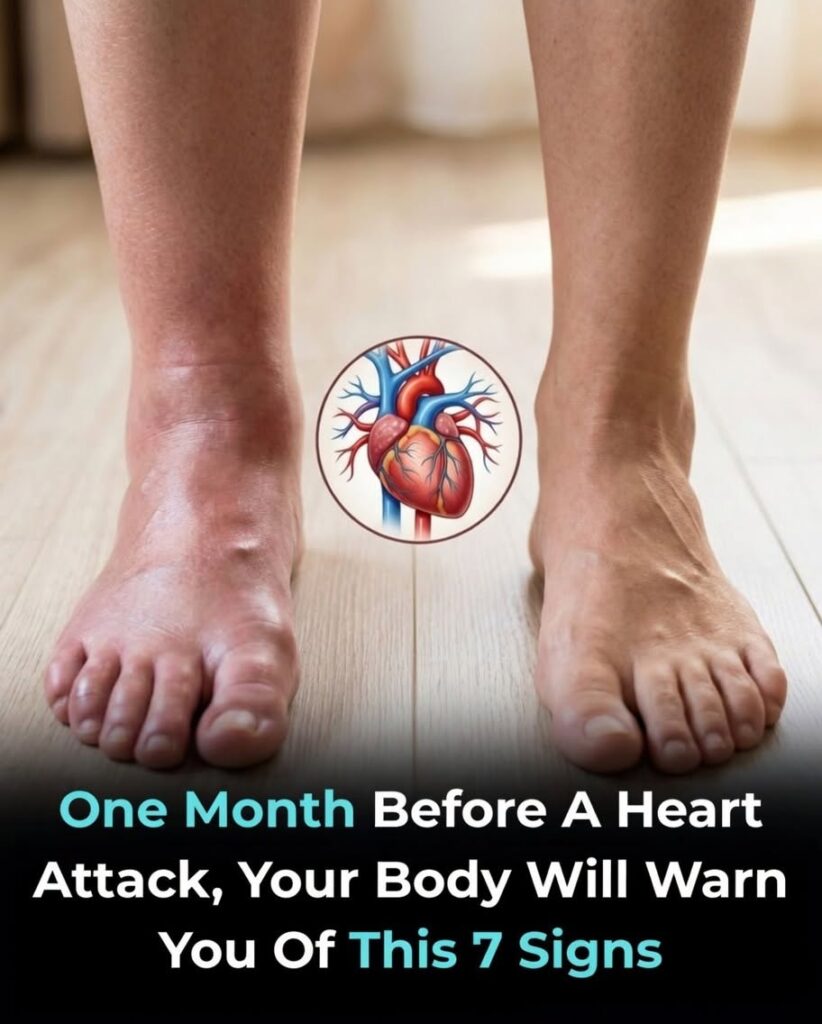
Most people imagine a heart attack as a sudden, dramatic event. They picture crushing chest pain, someone clutching their chest, and a collapse that clearly signals an emergency.
However, real heart symptoms are not always that obvious.
Sometimes the body sends quieter warnings first. A strange pressure in the chest. Shortness of breath that feels new. Fatigue that seems deeper than normal tiredness. Nausea that does not feel like a typical stomach bug. Pain that moves into the jaw, arm, shoulder, neck, back, or upper abdomen.
These symptoms can be easy to dismiss. People often blame stress, poor sleep, indigestion, anxiety, age, or a busy schedule. Yet the heart may be asking for attention.
Heart attack symptoms can include chest pressure, shortness of breath, upper body discomfort, cold sweat, nausea, lightheadedness, fatigue, heartburn-like symptoms, or a sense of doom. Some people have mild symptoms, and some have no obvious symptoms at all.
This article explains seven early warning signs your heart may be sending, why they matter, and when to seek urgent help.
1. Unusual Chest Discomfort
It May Feel Like Pressure, Not Sharp Pain
Chest discomfort remains one of the most recognized warning signs of a heart problem. However, it does not always feel like severe pain.
Some people describe it as pressure, tightness, squeezing, fullness, heaviness, burning, or aching. Others say it feels like indigestion or heartburn. The discomfort may stay in the center of the chest, or it may spread to other areas.
Because the feeling may come and go, many people wait to see if it passes. That delay can be dangerous if the heart muscle is not getting enough oxygen.
Chest discomfort that lasts more than a few minutes, returns repeatedly, or appears with shortness of breath, sweating, nausea, or dizziness should be treated seriously.
Activity Can Make It More Noticeable
Heart-related chest discomfort may worsen during walking, climbing stairs, lifting, emotional stress, or cold weather. It may improve with rest, then return when activity starts again.
That pattern can happen when narrowed arteries limit blood flow to the heart.
Still, not every heart event follows a neat pattern. Some symptoms happen at rest. Others appear during sleep. Therefore, the safest choice is to pay attention to new, unusual, or unexplained chest sensations.
2. Shortness of Breath
Breathlessness Can Happen With or Without Chest Pain
Shortness of breath can be a major warning sign, especially when it appears suddenly or during activities that were once easy.
You may feel winded while walking to the mailbox, climbing a short flight of stairs, doing housework, or lying down. You may feel like you cannot take a deep breath. You may also wake at night gasping for air.
Heart-related shortness of breath can happen because the heart is not pumping blood efficiently enough to meet the body’s oxygen needs.
The American Heart Association lists shortness of breath as a heart attack warning sign, and it may occur with or without chest discomfort.
Do Not Dismiss a Sudden Change
Everyone gets out of breath sometimes. Exercise, anxiety, respiratory infections, allergies, and poor conditioning can all cause breathlessness.
However, a new change matters.
If you suddenly feel unusually winded, especially with chest pressure, sweating, nausea, faintness, or pain spreading to the arm, jaw, neck, or back, seek emergency care.
3. Extreme, Unexplained Fatigue
This Is More Than Normal Tiredness
Everyone feels tired after a long day. Heart-related fatigue can feel different.
It may feel heavy, unusual, and difficult to explain. Simple tasks may suddenly feel exhausting. Brushing your teeth, showering, walking across the room, cooking, or carrying groceries may require more effort than usual.
Some people describe this fatigue as a deep weakness rather than sleepiness.
Fatigue is listed among common heart attack symptoms, and it can be especially important when paired with other warning signs.
Women May Notice This Sign More Often
Women may experience heart symptoms that are less dramatic than classic chest pain. Fatigue, nausea, shortness of breath, jaw discomfort, back pain, and indigestion-like symptoms can all occur.
Because these symptoms can look like stress, flu, menopause changes, poor sleep, or anxiety, they may be ignored.
A sudden drop in energy that lasts for days or appears with other symptoms deserves medical attention.
4. Pain That Travels Beyond the Chest
Heart Pain Can Show Up in Surprising Places
Heart-related discomfort does not always stay in the chest.
It may spread to the shoulder, arm, back, neck, jaw, teeth, or upper belly. Some people feel upper body pain without obvious chest discomfort.
This can make the symptom confusing.
Jaw pain may feel like a dental problem. Upper back discomfort may feel like muscle strain. Upper abdominal discomfort may feel like indigestion. Arm pain may feel like overuse.
However, when pain appears suddenly, feels unusual, or comes with breathlessness, sweating, nausea, fatigue, dizziness, or chest pressure, the heart must be considered.
Both Arms Matter
Many people only associate heart pain with the left arm. While left arm discomfort is well known, symptoms can also involve the right arm, both arms, shoulders, or upper back.
Because symptoms vary, location alone should not be used to rule out a heart problem.
5. Nausea, Indigestion, or Cold Sweats
Heart Symptoms Can Feel Like Stomach Trouble
Nausea, vomiting, heartburn-like discomfort, indigestion, or upper abdominal pain can occur during a heart attack.
This is one reason some people delay care. They assume they ate something wrong, have reflux, or caught a stomach virus.
A stomach symptom becomes more concerning when it appears with chest discomfort, shortness of breath, cold sweat, weakness, jaw pain, back pain, dizziness, or unusual fatigue.
Cold, Clammy Sweat Is a Red Flag
Breaking into a cold sweat without a clear reason can signal stress on the body.
When cold sweat appears with chest pressure, nausea, breathlessness, or lightheadedness, do not wait it out.
Call emergency services.
6. Irregular Heartbeat or Palpitations
Occasional Flutters Can Be Harmless
Many people feel palpitations at some point. Caffeine, stress, poor sleep, dehydration, fever, anxiety, exercise, and certain medications can all make the heart feel like it is racing, fluttering, pounding, or skipping beats.
Occasional palpitations are not always dangerous.
However, new, frequent, prolonged, or intense palpitations deserve attention.
Watch for Other Symptoms
Palpitations are more concerning when they happen with shortness of breath, chest discomfort, fainting, dizziness, weakness, sweating, or confusion.
These combinations may suggest an abnormal heart rhythm, reduced blood flow, or another condition that needs prompt evaluation.
7. A Strong Feeling That Something Is Wrong
Your Nervous System May Notice Stress First
Some people report a sudden sense of doom, fear, restlessness, or anxiety before or during a heart event.
This does not mean every anxious feeling is a heart problem. Anxiety and panic attacks are real and can feel intense.
However, if a strange sense of dread appears with physical symptoms like chest pressure, breathlessness, sweating, nausea, jaw pain, arm pain, back pain, or faintness, treat it as urgent.
Mayo Clinic notes that anxiety or a sense of doom can occur with heart attack symptoms.
Trust New and Unusual Body Signals
You know your body better than anyone.
If something feels deeply unusual, especially if the feeling does not pass or keeps returning, get help. It is better to be checked and told it is not a heart attack than to ignore a serious warning.
Symptoms Can Differ by Sex, Age, and Health History
Women, Older Adults, and People With Diabetes May Have Subtle Signs
Heart symptoms can look different from person to person.
Men often report chest pressure, arm pain, and shortness of breath. Women may also have chest symptoms, but they are more likely to notice fatigue, nausea, jaw pain, back pain, shortness of breath, or indigestion-like discomfort.
Older adults may show weakness, dizziness, fainting, confusion, or shortness of breath. People with diabetes may have reduced pain signals due to nerve damage, which can make heart attacks harder to recognize.
Because symptoms can be mild or unusual, risk factors matter.
High blood pressure, high cholesterol, smoking, diabetes, kidney disease, obesity, family history of heart disease, sleep apnea, and a sedentary lifestyle all increase concern.
What to Do If You Notice Warning Signs
Call Emergency Services for Urgent Symptoms
Call emergency services immediately if symptoms last more than a few minutes, keep returning, or include chest discomfort, shortness of breath, cold sweat, fainting, severe weakness, nausea, or pain spreading to the arm, jaw, neck, back, or upper abdomen.
Do not drive yourself to the hospital.
Emergency responders can begin care quickly and monitor you on the way.
Do Not Wait to “See What Happens”
Many people delay because they feel embarrassed, uncertain, or afraid of overreacting. However, early treatment can save heart muscle and reduce complications.
When the heart is involved, time matters.
How to Protect Your Heart Every Day
Know Your Numbers
Regular checkups help identify risks before symptoms appear.
Ask your healthcare provider about blood pressure, cholesterol, blood sugar, weight, kidney function, and family history. These numbers can guide prevention.
Build Heart-Supporting Habits
Small daily habits matter.
Eat more vegetables, fruits, beans, whole grains, nuts, and lean proteins. Limit heavily processed foods, excess sodium, added sugar, and trans fats. Move your body regularly. Get enough sleep. Manage stress. Avoid smoking. Take prescribed medications as directed.
These habits do not guarantee perfect health, but they can lower risk over time.
FAQ
Can a heart attack happen without chest pain?
Yes. Some people have mild symptoms, unusual symptoms, or no obvious chest pain. Shortness of breath, nausea, fatigue, sweating, jaw pain, back pain, or indigestion-like discomfort can occur.
How long should I wait before calling for help?
Do not wait if symptoms last more than a few minutes, return repeatedly, or feel severe or unusual. Call emergency services.
Can heart symptoms feel like anxiety?
Yes. Heart symptoms can include anxiety, restlessness, or a sense of doom. Anxiety can also mimic heart symptoms, so medical evaluation is important when symptoms are new or intense.
Is indigestion ever a heart warning sign?
Yes. Heartburn-like discomfort, nausea, or upper abdominal pain can occur during a heart attack, especially when paired with sweating, breathlessness, fatigue, or chest pressure.
Are women’s heart symptoms different?
They can be. Women may have chest discomfort, but they may also experience shortness of breath, nausea, fatigue, jaw pain, back pain, or indigestion-like symptoms.
Conclusion
Your heart does not always send loud warnings. Sometimes it sends quiet signals: unusual pressure, sudden breathlessness, deep fatigue, cold sweat, nausea, a fluttering heartbeat, or pain that travels to unexpected places.
Do not ignore symptoms because they seem mild, strange, or inconvenient.
Listen early. Act quickly. Get checked.
When it comes to the heart, paying attention to a whisper can save a life.
Leave a Reply