









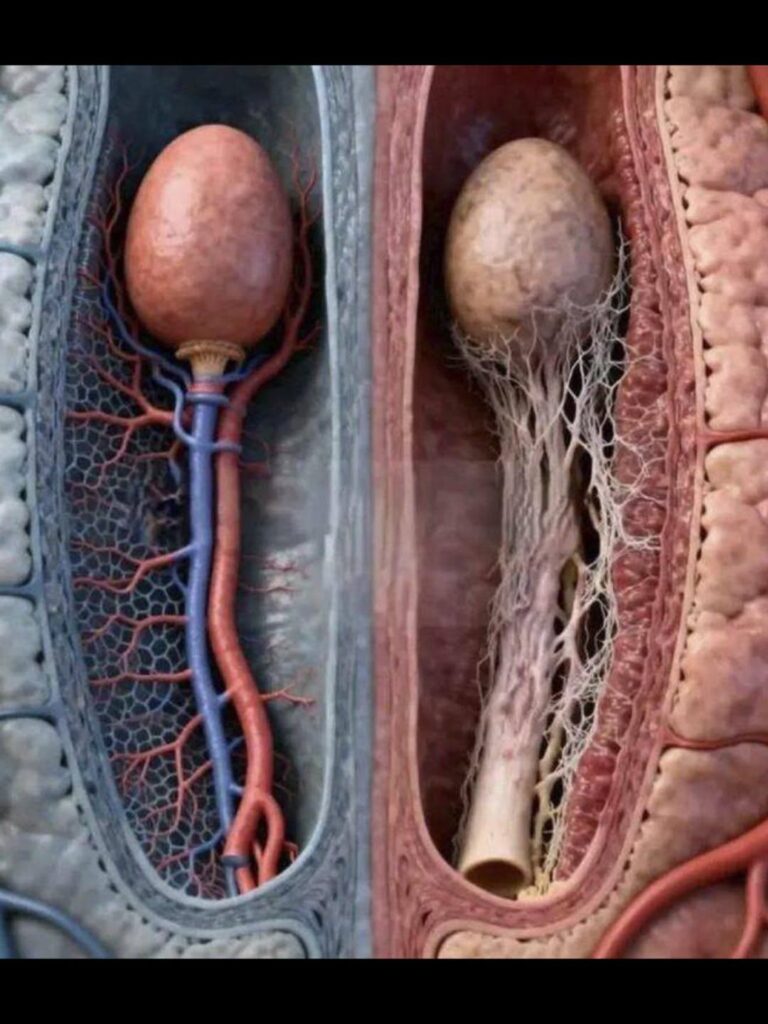
One of the most dangerous aspects of kidney disease is its ability to remain unnoticed.
Unlike many medical conditions that produce obvious warning signs, kidney problems often progress quietly.
Many people lose 30% to 50% of kidney function before symptoms become noticeable.
This is why kidney disease is frequently called a “silent disease.”
By the time symptoms appear, significant damage may already have occurred.
Understanding subtle warning signs can help encourage earlier evaluation and treatment.
Early Warning Signs You Should Never Ignore
Although symptoms often appear late, certain changes may indicate kidney dysfunction.
Foamy or Bubbly Urine
Occasional bubbles in urine are usually harmless.
However, persistent foamy urine may suggest protein leakage, which can be an early sign of kidney damage.
Swelling in Feet and Ankles
Healthy kidneys help regulate fluid balance.
When kidney function declines, excess fluid can accumulate in the body, leading to swelling in the legs, ankles, feet, or hands.
Fatigue and Weakness
Declining kidney function may lead to toxin buildup in the bloodstream.
Additionally, kidney disease can contribute to anemia, causing persistent fatigue and reduced energy.
Frequent Nighttime Urination
Needing to urinate multiple times during the night can sometimes indicate kidney issues, especially when accompanied by other symptoms.
Dry, Itchy Skin
Kidneys help regulate mineral balance.
When this balance becomes disrupted, skin dryness and itching may develop.
Difficulty Concentrating
Waste accumulation and anemia associated with kidney disease can affect mental clarity and concentration.
High Blood Pressure
Kidney disease and high blood pressure often create a vicious cycle.
Each condition can worsen the other.
Why Men Over 60 Face Increased Risk
Although kidney disease affects both sexes, certain factors place older men at elevated risk.
Higher Rates of Hypertension
Men often experience higher rates of uncontrolled blood pressure, particularly later in life.
Cardiovascular Disease
Heart disease and kidney disease frequently occur together due to shared risk factors.
Prostate Enlargement
An enlarged prostate can affect urinary flow and potentially contribute to urinary tract complications.
Lifestyle Factors
Historically higher rates of smoking, alcohol use, and dietary risk factors may also increase kidney disease risk among older men.
Protecting Your Kidneys After 50
The encouraging news is that many kidney disease risk factors are modifiable.
Simple lifestyle changes can help preserve kidney function for years to come.
Stay Hydrated
Water supports healthy kidney function by helping remove waste products efficiently.
Most adults benefit from consistent hydration throughout the day.
Rather than focusing on a specific number of glasses, pay attention to thirst and urine color.
Pale yellow urine generally indicates adequate hydration.
Reduce Sodium Intake
Excess sodium contributes to high blood pressure and fluid retention.
To lower sodium intake:
- Choose fresh foods when possible
- Read nutrition labels carefully
- Limit processed foods
- Reduce fast-food consumption
- Use herbs and spices instead of salt
Manage Blood Pressure
Maintaining healthy blood pressure may be the single most important step for protecting kidney health.
Regular monitoring and medical follow-up are essential.
Control Blood Sugar
For individuals with diabetes or prediabetes, blood sugar management plays a critical role in preventing kidney damage.
Healthy eating, physical activity, and prescribed medications can help maintain appropriate glucose levels.

Leave a Reply