










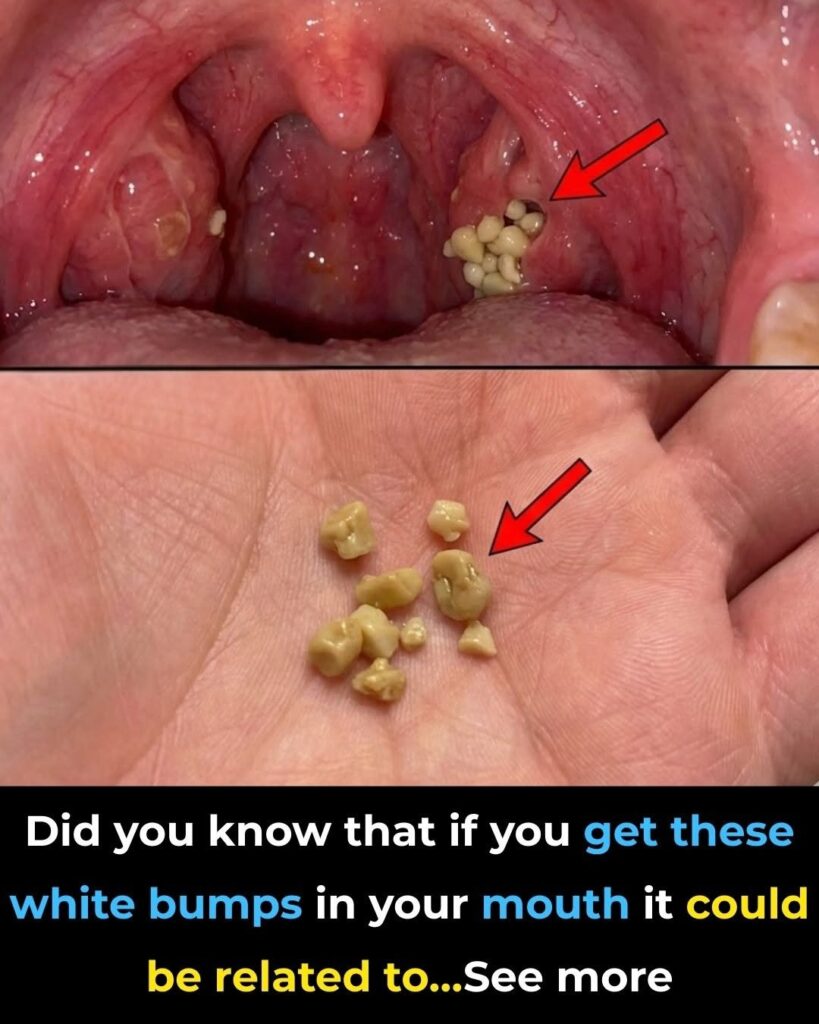
Few things are as surprising as coughing and suddenly discovering a small white lump in your mouth. For some people, it happens without warning. For others, the first sign is persistent bad breath that refuses to go away no matter how often they brush, floss, or use mouthwash.
If you’ve experienced either situation, you may have encountered tonsil stones, also known as tonsilloliths.
Although the name sounds alarming, tonsil stones are extremely common and usually harmless. They are not cancerous, they are not contagious, and they do not mean you have poor oral hygiene. In fact, many people who develop tonsil stones take excellent care of their teeth and gums.
Despite being harmless, tonsil stones can be frustrating. They can cause bad breath, throat irritation, an uncomfortable sensation of something being stuck in the throat, and occasional discomfort when swallowing.
The good news is that tonsil stones are manageable. Understanding why they form, how to remove them safely, and how to reduce their recurrence can help you find lasting relief.
Let’s take a closer look at everything you need to know about tonsil stones.
What Are Tonsil Stones?
Tonsil stones are small accumulations of debris that become trapped within tiny crevices in the tonsils called crypts.
The tonsils are two masses of lymphatic tissue located at the back of the throat. Their primary role is to help the immune system recognize and fight germs entering through the mouth and nose.
Unlike smooth surfaces, tonsils contain folds, pockets, and indentations. These natural structures help trap bacteria and viruses for immune surveillance. However, they can also trap other materials.
Over time, substances such as:
- Food particles
- Dead cells
- Mucus
- Saliva
- Bacteria
can become lodged in these pockets.
As the trapped material accumulates, minerals found in saliva—especially calcium—can harden the debris into small whitish deposits.
These deposits are what we call tonsil stones.
What Do Tonsil Stones Look Like?
Tonsil stones vary considerably in size and appearance.
They may appear:
- White
- Yellow
- Grayish-white
Their texture can range from soft and crumbly to firm and calcified.
Most stones are quite small, often no larger than a grain of rice.
Some are barely visible.
Others may grow to the size of a pea or larger, though large stones are relatively uncommon.
One of the most distinctive characteristics of tonsil stones is their smell.
When crushed, they often release a strong, unpleasant odor due to sulfur-producing bacteria trapped within the stone.
How Common Are Tonsil Stones?
Tonsil stones are far more common than many people realize.
Studies suggest that a significant percentage of adults will develop them at some point in their lives.
Many individuals never realize they have them because the stones remain small and symptom-free.
Others discover them accidentally while brushing their teeth, looking in a mirror, or coughing.
Because many cases go unnoticed, experts believe tonsil stones may be underreported.
Why Do Tonsil Stones Form?
Several factors contribute to stone formation.
Understanding these risk factors can help explain why some people develop them repeatedly while others never experience them.
Deep Tonsil Crypts
The most significant risk factor is anatomy.
Some people naturally have deeper tonsil crypts than others.
These deeper folds create ideal hiding places for debris.
Even with excellent oral hygiene, material can become trapped in areas that are difficult to reach.
Because anatomy is largely determined by genetics, tonsil stones often run in families.
Chronic Post-Nasal Drip
Excess mucus draining down the back of the throat increases the amount of material available to become trapped in tonsil crypts.
Conditions associated with post-nasal drip include:
- Seasonal allergies
- Chronic sinusitis
- Environmental irritants
- Respiratory infections
The more mucus present, the greater the likelihood of debris accumulation.
Dry Mouth
Saliva serves as the mouth’s natural cleansing system.
It helps wash away bacteria, food particles, and cellular debris.
When saliva production decreases, debris can accumulate more easily.
Common causes of dry mouth include:
- Mouth breathing
- Certain medications
- Dehydration
- Aging
- Smoking
Reduced saliva creates an environment that favors stone formation.
Large Tonsils
Larger tonsils provide more surface area and more crypts where debris can collect.
Individuals with enlarged tonsils often experience more frequent stone formation.
Previous Tonsil Infections
Repeated episodes of tonsillitis can alter tonsil structure.
Inflammation may create additional crypts and scar tissue, increasing the likelihood of future stones.
The Myth About Poor Hygiene
One of the biggest misconceptions about tonsil stones is that they result from poor oral hygiene.
This simply isn’t true.

Leave a Reply