








Have you ever glanced down at your hands, arms, or legs and noticed that your veins seem more visible than they used to be?
Perhaps they appeared gradually over the years. Or maybe they seemed to emerge almost overnight after a workout, weight loss, pregnancy, or simply as part of the aging process.
For many people, visible veins are nothing more than a cosmetic concern. Others view them as a sign of fitness and low body fat. However, some individuals worry that prominent veins could indicate a hidden health problem.
The truth lies somewhere in between.
Visible veins are often completely normal and harmless. In many cases, they reflect natural changes in body composition, circulation, or skin structure. At the same time, there are situations where bulging, swollen, painful, or suddenly prominent veins may signal an underlying circulatory disorder that deserves medical attention.
Understanding the difference between normal vein visibility and potential warning signs can help you make informed decisions about your health.
Let’s take a closer look at what causes visible veins, when they are harmless, and when they may indicate a problem that should not be ignored.
Understanding Your Veins and Their Role in Circulation
Before exploring why veins become visible, it helps to understand what veins actually do.
Your circulatory system consists of arteries, veins, and tiny capillaries.
Arteries carry oxygen-rich blood away from the heart and deliver it throughout the body.
Veins perform the opposite function. They transport oxygen-depleted blood back to the heart so it can be replenished with oxygen in the lungs.
Unlike arteries, which have thick muscular walls and generally sit deeper beneath the skin, veins often lie closer to the surface.
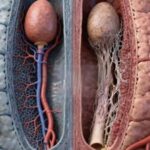
Because veins operate under lower pressure than arteries, they rely on a series of tiny one-way valves to keep blood moving upward toward the heart.
When these valves function properly, circulation remains efficient.
When they weaken or fail, blood can pool within the veins, causing enlargement and various symptoms.
This is why visible veins can range from completely normal to potentially problematic depending on the circumstances.
Why Veins Become More Visible
There is no single explanation for visible veins.
In fact, several factors influence how noticeable they appear.
Some are entirely normal. Others may indicate underlying vein disease.
Understanding these causes helps explain why one person’s veins may look very different from another’s.
Low Body Fat and Lean Physiques
One of the most common reasons veins become more visible is low body fat.
Under the skin lies a layer of subcutaneous fat that helps cushion and conceal underlying structures.
When body fat decreases, there is less tissue covering the veins.
As a result, veins become easier to see.
This is particularly common among:
- Athletes
- Bodybuilders
- Runners
- Cyclists
- Fitness enthusiasts
- Individuals who have recently lost weight
Many competitive athletes intentionally maintain low body fat levels, making veins especially noticeable on the arms, shoulders, hands, and legs.
In these situations, visible veins are typically considered a normal physiological response rather than a health concern.
Aging and Changes in Skin Structure
One of the most common reasons older adults notice visible veins is simple aging.
As we grow older, several changes occur beneath the skin.
Thinning Skin
The body gradually produces less collagen and elastin.
These proteins help maintain skin thickness and elasticity.
As their production declines, skin becomes thinner and more translucent.
This allows underlying veins to show through more easily.
Loss of Subcutaneous Fat
Aging also reduces fat stores beneath the skin.
This effect is particularly noticeable on:
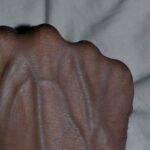
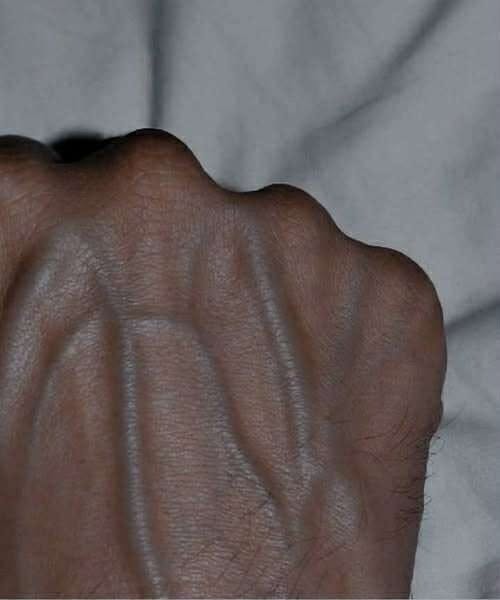
- The backs of the hands
- Forearms
- Lower legs
- Feet
With less cushioning, veins naturally become more prominent.
Reduced Skin Elasticity
Less elastic skin provides less support to underlying veins, making enlargement more visible.
For many adults over age 50, visible hand veins become increasingly common even when overall health remains excellent.
Exercise and Increased Blood Flow
If you’ve ever noticed your veins bulging during or after exercise, you’re not imagining things.
Physical activity temporarily increases blood flow to working muscles.
To accommodate this increased volume, veins dilate or widen.
Several factors contribute to this effect:
Increased Circulation
Working muscles demand more oxygen and nutrients.
The circulatory system responds by increasing blood flow.
Muscle Expansion
As muscles fill with blood during exercise, they push veins closer to the skin’s surface.
Heat Production
Exercise raises body temperature, causing blood vessels to expand.
Together, these factors create the “vascular” appearance often associated with physically fit individuals.
This type of vein visibility is generally temporary and harmless.
Warm Weather and Heat Exposure
Temperature has a significant impact on vein appearance.
When your body becomes warm, blood vessels expand to help release heat.
This process is called vasodilation.
As veins widen, they become easier to see beneath the skin.
This explains why many people notice:
- More visible hand veins during summer
- Increased leg vein prominence in hot weather
- Veins appearing larger after hot showers
In contrast, cold temperatures cause blood vessels to constrict, making veins less noticeable.
Genetics and Family History
Sometimes visible veins are simply inherited.
If your parents or grandparents had prominent veins, there is a good chance you may develop them as well.
Genetics influence:
- Skin thickness
- Vein size
- Vein elasticity
- Body fat distribution
- Circulatory characteristics
Some people naturally have thinner, lighter skin that allows veins to show more clearly regardless of age or fitness level.
Pregnancy and Temporary Vein Changes
Pregnancy places unique demands on the circulatory system.
During pregnancy:
- Blood volume increases significantly
- Hormonal changes relax blood vessel walls
- Pressure from the growing uterus affects circulation
These changes often make veins more visible in:
- Legs
- Breasts
- Abdomen
- Hands
Many pregnancy-related vein changes improve after delivery, although some women may develop persistent varicose veins.
When Visible Veins May Signal a Problem
Although visible veins are often harmless, certain situations warrant closer attention.

Leave a Reply