






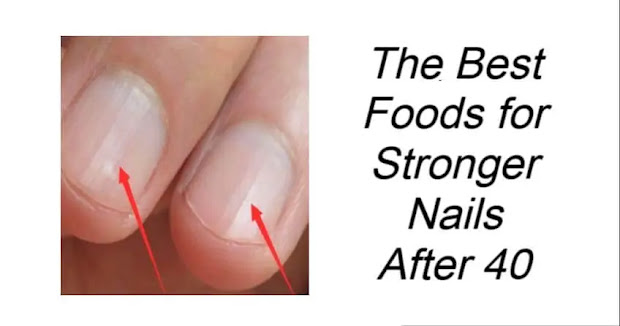
As we move through our 40s and beyond, many of us begin to notice subtle changes in our appearance and overall health. While we often focus on skin, hair, and energy levels, our nails can reveal just as much about what’s happening inside the body.
If your nails have become thinner, more brittle, prone to peeling, or covered with ridges, you’re not alone. Nail changes are extremely common after 40. Hormonal fluctuations, slower cell regeneration, nutritional deficiencies, and lifestyle factors can all affect the strength and appearance of your nails.
The good news is that healthy nails are not determined solely by genetics. What you eat plays a major role in how your nails grow, repair, and maintain their strength. Just as your body depends on proper nutrition for healthy skin and strong bones, your nails require specific nutrients to thrive.
The right foods can help support nail growth, improve thickness, reduce breakage, and promote a healthier appearance from the inside out.
Let’s explore the most important nutrients for nail health after 40 and the foods that provide them.
Why Nail Health Changes After 40
Before diving into the best foods, it helps to understand why nail problems become more common with age.
Several factors contribute to weaker nails:
Hormonal Changes
Hormones influence nearly every system in the body, including nail growth. As estrogen levels decline, particularly during perimenopause and menopause, nails may become drier and more brittle.
Slower Cell Turnover
Younger bodies replace cells rapidly. As we age, this process slows. Because nails are constantly growing, slower cell production can affect their strength and appearance.
Reduced Nutrient Absorption
The body may become less efficient at absorbing certain vitamins and minerals over time. Even when eating a healthy diet, some nutrients may not be utilized as effectively.
Increased Exposure to Damage
Years of hand washing, cleaning products, nail treatments, and environmental exposure can gradually weaken nail structure.
Fortunately, nutrition can help counter many of these age-related changes.
1. Protein-Rich Foods: The Foundation of Strong Nails
If there is one nutrient that deserves top billing for nail health, it’s protein.
Your nails consist primarily of keratin, a structural protein that forms the hard surface protecting your fingertips. Without adequate protein intake, your body struggles to produce strong, healthy nails.
Signs You May Need More Protein
Insufficient protein can contribute to:
- Slow nail growth
- Peeling nails
- Frequent breakage
- Thin nail plates
- Loss of natural shine
Best Protein Sources
Eggs
Eggs provide complete protein along with biotin, vitamin D, and other nutrients that support nail health.
Lean Poultry
Chicken and turkey offer high-quality protein with relatively little saturated fat.
Fish
Salmon, tuna, sardines, and mackerel provide protein plus healthy omega-3 fats.
Greek Yogurt
Rich in protein and calcium, Greek yogurt makes an excellent snack for nail support.
Legumes
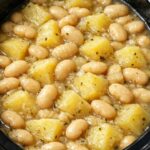
Lentils, chickpeas, black beans, and kidney beans provide plant-based protein along with fiber and minerals.
Easy Protein Tips
Aim to include a protein source with every meal. Instead of concentrating protein at dinner, spread it throughout the day to support consistent tissue repair and growth.
2. Biotin-Rich Foods: Supporting Nail Thickness and Strength
Biotin, also known as vitamin B7, is one of the most researched nutrients for nail health.
Biotin helps the body metabolize nutrients and plays a critical role in keratin production. Low levels are frequently associated with brittle, splitting nails.
Why Biotin Matters
Biotin contributes to:
- Nail thickness
- Structural strength
- Healthy growth
- Reduced splitting
Several studies have found that people with brittle nails may experience improved thickness after increasing biotin intake over time.
Top Food Sources of Biotin
Egg Yolks
Egg yolks contain naturally occurring biotin and other essential nutrients.
Nuts
Almonds, walnuts, peanuts, and pecans provide healthy fats and biotin.
Sweet Potatoes
These colorful vegetables supply biotin along with antioxidants and fiber.
Oats
Oats are a nutritious whole grain that can easily be incorporated into breakfast routines.
Mushrooms
Many mushroom varieties provide small but valuable amounts of biotin.
Avocados
Rich in healthy fats, fiber, and vitamins, avocados support overall skin and nail health.
Building a Biotin-Rich Meal
Try combining oatmeal topped with almonds and sliced banana for breakfast or adding avocado to salads and sandwiches throughout the week.
3. Iron-Rich Foods: Preventing Weak and Fragile Nails
Iron deficiency remains one of the most common nutrient deficiencies worldwide, especially among women.
Low iron levels can significantly impact nail health and appearance.
Signs of Iron Deficiency in Nails
Iron deficiency may contribute to:
- Pale nail beds
- Brittle nails
- Slow growth
- Spoon-shaped nails
- Increased breakage
Because nail changes sometimes develop gradually, many people don’t immediately connect them to iron status.
Best Iron Sources
Spinach
Spinach contains iron along with folate and antioxidants.
Kale
Kale delivers iron, vitamin K, and numerous protective compounds.
Swiss Chard
This leafy green provides several minerals important for healthy tissue growth.
Lentils
Lentils offer plant-based iron, protein, and fiber.
Chickpeas
A versatile source of iron suitable for soups, salads, and side dishes.
Pumpkin Seeds
These nutrient-dense seeds contain iron, zinc, and magnesium.
Lean Red Meat
Consumed in moderation, lean beef provides highly absorbable heme iron.
Maximizing Iron Absorption
Pair iron-rich foods with vitamin C sources such as:
- Oranges
- Strawberries
- Bell peppers
- Tomatoes
- Citrus juices
Vitamin C significantly enhances iron absorption, especially from plant foods.
4. Omega-3 Fatty Acids: Nourishing Nails from Within
Dryness is one of the most common complaints among adults over 40.
While lotions and oils can help externally, healthy fats work from the inside.
Omega-3 fatty acids support moisture balance and help nourish the nail bed.
Benefits of Omega-3s for Nails
These healthy fats may help:
- Improve flexibility
- Reduce brittleness
- Support hydration
- Promote healthy circulation
- Reduce inflammation
Best Sources of Omega-3s
Salmon
Salmon remains one of the richest dietary sources of omega-3 fatty acids.
Sardines
Affordable and nutrient-dense, sardines provide healthy fats along with calcium.
Mackerel
This fatty fish delivers substantial amounts of omega-3s.
Chia Seeds
Plant-based and versatile, chia seeds work well in smoothies and yogurt.
Flaxseeds
Ground flaxseeds are easier to digest and absorb than whole seeds.
Walnuts
Walnuts offer a convenient snack packed with beneficial fats.
Hemp Seeds
These tiny seeds provide healthy fats and plant-based protein.
Additional Health Benefits
Omega-3 fatty acids support:
- Heart health
- Brain function
- Joint comfort
- Eye health
This makes them especially valuable after 40.
5. Zinc-Rich Foods: Supporting Growth and Repair
Zinc often receives less attention than other nutrients, yet it plays a vital role in tissue growth and repair.
Because nails are constantly growing, adequate zinc is essential for maintaining healthy structure.
What Zinc Does
Zinc supports:
- Cell division
- Protein synthesis
- Tissue repair
- Immune function
- Nail growth
Signs of Low Zinc
Insufficient zinc may contribute to:
- White spots on nails
- Slow growth
- Weakness
- Ridges
- Increased brittleness
Best Zinc Sources
Oysters
Oysters contain more zinc than any other commonly consumed food.
Beef
Lean cuts provide highly absorbable zinc.
Lamb
Another excellent source of this essential mineral.
Pumpkin Seeds
A plant-based option rich in zinc and other nutrients.
Chickpeas
Nutritious and versatile for many recipes.
Cashews
A convenient snack with zinc, healthy fats, and protein.
Food First Approach
Obtaining zinc through food is generally preferable unless a healthcare provider recommends supplementation.
Hydration: The Often Overlooked Nail Nutrient
Even the most nutrient-rich diet cannot fully compensate for chronic dehydration.
Nails contain water, and inadequate hydration can contribute to:
- Dryness
- Splitting
- Cracking
- Increased fragility
Simple Hydration Tips
- Drink water consistently throughout the day.
- Increase fluids during hot weather.
- Eat water-rich fruits and vegetables.
- Limit excessive alcohol intake.
Hydration supports every cell in the body, including those responsible for nail growth.
The Importance of Vitamin C and Collagen Support
Vitamin C plays a crucial role in collagen production.
While nails themselves consist primarily of keratin, collagen supports the tissues beneath and around the nail.
Excellent Vitamin C Sources
- Oranges
- Grapefruit
- Strawberries
- Kiwi
- Bell peppers
- Broccoli
- Brussels sprouts
Adding vitamin C-rich foods to meals supports both nail and skin health.
Silica-Rich Foods for Additional Support
Silica is a trace mineral that may contribute to stronger connective tissues.
Foods containing silica include:
- Cucumbers
- Oats
- Bananas
- Brown rice
- Green beans
Although research continues, these foods fit well within a balanced diet that supports healthy aging.
Foods and Habits That May Weaken Nails
Supporting nail health isn’t only about what you add. It also involves reducing habits that contribute to damage.
Excess Sugar
High-sugar diets can promote inflammation and negatively affect connective tissues.
Highly Processed Foods
Ultra-processed foods often lack the nutrients necessary for healthy nail growth.
Excessive Alcohol
Alcohol may contribute to dehydration and nutrient depletion.
Harsh Nail Products
Frequent use of acetone-based removers can dry out nails significantly.
Repeated Water Exposure
Constant soaking and washing can weaken nail structure over time.
A Sample Day of Nail-Healthy Eating
Breakfast
Greek yogurt topped with walnuts, berries, and oats.
Lunch
Spinach salad with grilled chicken, avocado, pumpkin seeds, and bell peppers.
Snack
Apple slices with almond butter.
Dinner
Baked salmon with roasted sweet potatoes and steamed broccoli.
Evening Snack
A handful of cashews or walnuts.
This simple meal plan provides many of the nutrients discussed throughout this article.
The Bottom Line
Strong, healthy nails after 40 begin with nutrition. While aging naturally affects nail growth and structure, the foods you eat every day can make a significant difference.
Protein provides the building blocks for keratin. Biotin supports thickness and strength. Iron helps prevent fragility and slow growth. Omega-3 fatty acids promote flexibility and hydration. Zinc supports healthy repair and development.
Combined with proper hydration, vitamin C-rich foods, and healthy lifestyle habits, these nutrients can help your nails remain resilient, attractive, and strong for years to come.
Remember, your nails often reflect your overall health. When you nourish your body with quality foods, the benefits frequently appear at your fingertips.
The next time you prepare a meal, think beyond calories and taste. Every egg, handful of nuts, serving of leafy greens, and piece of salmon may be helping build stronger nails from the inside out.
Because the most effective nail care routine doesn’t begin at the salon—it begins in the kitchen.
Leave a Reply