



Other Common Causes
Added Water or Brine in Chicken
Some store-bought chicken contains added water or a salt solution. This is often done to keep the meat juicy.
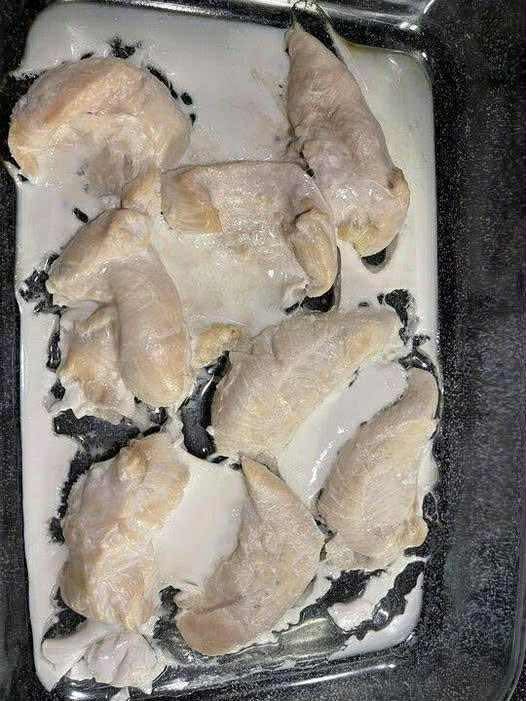
However, during cooking, that extra liquid escapes. As a result, you may notice more white goop than usual.
Overcrowding the Pan
When too many pieces of chicken cook at once, they release steam instead of searing properly.
This steaming effect pulls out moisture quickly. Because of that, more protein-rich liquid appears on the surface.
Is It Safe to Eat?
Completely Safe and Harmless
The white substance is safe to eat. It does not mean your chicken is spoiled or undercooked.
It’s simply cooked protein and water. As long as your chicken is fully cooked to a safe internal temperature, it is perfectly fine to eat.
When You Should Be Concerned
Although the white goop itself is harmless, you should always check for proper cooking:
- Ensure the internal temperature reaches 165°F (74°C)
- Avoid chicken that smells off before cooking
- Check for unusual discoloration unrelated to cooking
If these factors are normal, your chicken is safe.
How to Reduce the White Goop
Cook at Moderate Heat
Instead of using very high heat, cook your chicken at a slightly lower temperature. This helps reduce the amount of moisture forced out too quickly.
As a result, you’ll see less of the white substance.
Pat Chicken Dry Before Cooking
Before cooking, use paper towels to remove excess moisture from the chicken.
This simple step helps improve browning and reduces visible protein release.
Additional Cooking Tips
Avoid Overcrowding
Give each piece of chicken enough space in the pan. This allows proper searing instead of steaming.
Better airflow means less moisture buildup and a cleaner cooking surface.
Let the Chicken Rest
After cooking, let the chicken rest for a few minutes. This allows juices to redistribute inside the meat.
Because of this, less liquid escapes when you cut into it.
Frequently Asked Questions
Does white goop mean the chicken is undercooked?
No, it does not. It’s just protein and water released during cooking.
Can I wipe it off?
Yes, you can gently remove it if you prefer a cleaner appearance.
Does it affect taste?
Not significantly. Most people don’t notice any difference in flavor.
Is it more common with certain cuts?
Yes, it appears more often in boneless, skinless chicken breasts.
Does marinating reduce it?
Sometimes, but it depends on the marinade. It may slightly reduce visible protein release.
Conclusion
The white goop that appears when cooking chicken may look unusual, but it is completely normal and safe. It’s simply a natural reaction of proteins and moisture under heat.
Once you understand what causes it, you can cook with confidence and even reduce its appearance with a few simple techniques. In the end, it’s just part of the cooking process—and nothing to worry about.
Leave a Reply