




Step-by-Step Instructions
Mixing and kneading the dough
Start by dissolving the yeast and sugar in warm water. Let it sit for a few minutes until it becomes foamy. This step ensures the yeast is active.
In a large bowl, combine the flour and salt. Add the yeast mixture and olive oil, then mix until a dough forms.
Transfer the dough to a floured surface and knead it for about 8 to 10 minutes. The dough should become smooth and elastic.
Kneading develops the gluten, which gives the bread its structure and texture.
First rise and shaping
Place the dough in a lightly greased bowl and cover it. Let it rise in a warm place until it doubles in size, usually about one hour.
Once risen, punch down the dough to release air. Shape it into a loaf and place it in a greased bread pan or on a baking sheet.
Cover it again and let it rise for another 30 to 40 minutes. This second rise helps create a light and airy texture.
Baking the bread
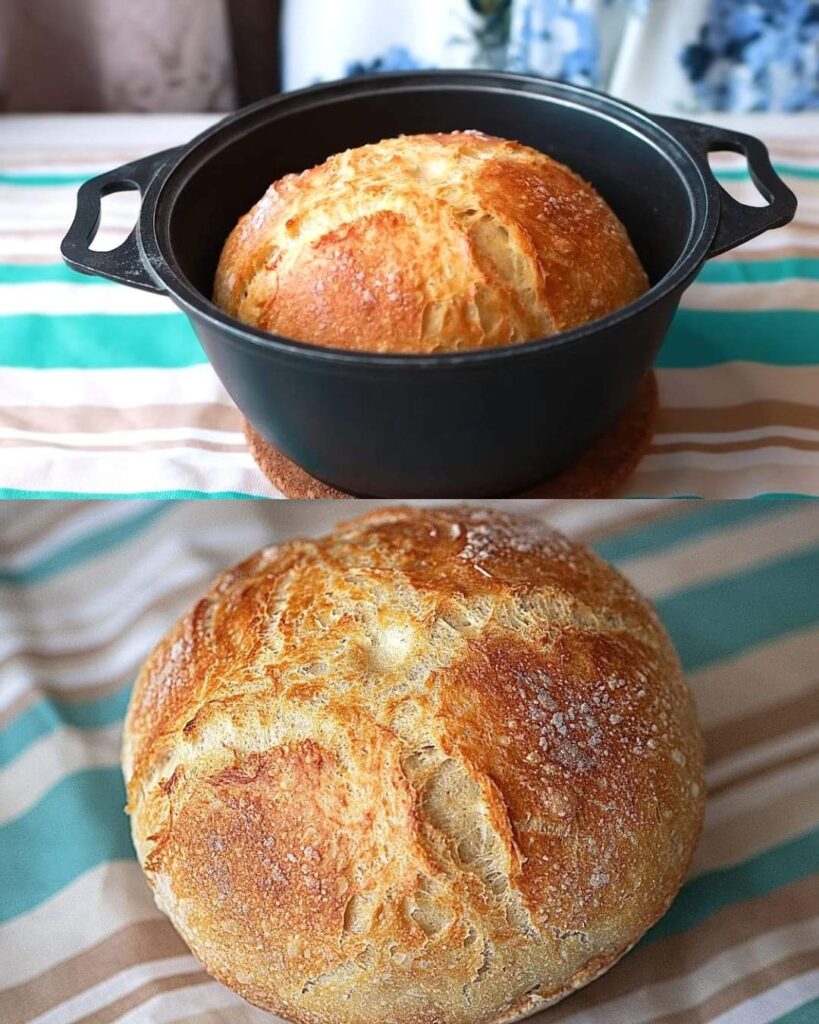
Preheat your oven to 375°F. Place the loaf in the oven and bake for 25 to 30 minutes, or until golden brown.
The bread should sound hollow when tapped on the bottom. Remove it from the oven and let it cool on a rack.
Allowing it to cool ensures the structure sets properly, making it easier to slice.
Serving and Storage Tips
Best ways to serve
Traditional Homemade Bread is best enjoyed warm. Slice it and spread with butter for a simple and satisfying treat.
It pairs well with soups, stews, and salads. You can also use it for sandwiches or toast.
For added flavor, drizzle with olive oil or serve with jam or honey.
Because it’s versatile, it can complement both savory and sweet dishes.
Storing and keeping fresh
Store the bread in a sealed bag or container at room temperature for up to three days. This helps maintain its softness.
For longer storage, freeze the loaf or individual slices. Thaw at room temperature or warm in the oven.
Avoid refrigerating the bread, as it can dry out more quickly.
Proper storage ensures you can enjoy the bread for days.
FAQ
1. Can I use instant yeast?
Yes, you can mix it directly with the flour.
2. Why didn’t my dough rise?
The yeast may not have been active or the water temperature was incorrect.
3. Can I make this without oil?
Yes, but the texture may be slightly less soft.
4. How do I get a crisp crust?
Bake with a small pan of water in the oven for steam.
5. Can I double the recipe?
Yes, just divide the dough into two loaves.
Conclusion
Traditional Homemade Bread is more than just a recipe—it’s a comforting experience that brings warmth and satisfaction to your kitchen. With its golden crust and soft interior, it’s a timeless classic that anyone can make. Once you try it, baking bread at home will become a habit you’ll cherish.
Leave a Reply