







The Lemon Butter Pan is not just a recipe. It is a simple, powerful cooking method that transforms ordinary ingredients into a dish that tastes polished, bright, and deeply satisfying. With one skillet and a handful of pantry staples, you can create a silky sauce that clings beautifully to seafood, chicken, or vegetables. Because the process is fast and forgiving, it works perfectly for weeknight dinners while still feeling special enough for guests.
This technique relies on balance. Rich butter meets fresh lemon. Gentle heat preserves flavor. The browned bits left behind in the pan turn into the foundation of a sauce that feels luxurious without being heavy. Once you understand how The Lemon Butter Pan works, you can adapt it endlessly. However, pan-seared white fish remains one of the most popular and reliable ways to showcase this method. The fish cooks quickly, stays tender, and absorbs the sauce without overpowering it.
I first started using this method on evenings when I wanted something impressive but did not have the energy for complicated cooking. After searing a piece of fish and whisking butter into lemon juice right in the same pan, I realized how much flavor I could build in just minutes. Over time, this approach became a habit rather than a recipe. It works every time, and it never feels boring. Now, it is my go-to technique when I want a meal that tastes thoughtful but stays simple.
Understanding the Lemon Butter Pan Method
Why the Pan Matters More Than the Recipe
The magic of The Lemon Butter Pan comes from what stays behind after cooking your protein. When fish sears properly, it leaves browned bits on the skillet. These bits, known as fond, carry intense savory flavor. Instead of washing them away, you dissolve them into a sauce. This step instantly deepens the taste without extra ingredients.
Using the same pan also keeps the process efficient. Because the skillet is already hot, the sauce forms quickly. At the same time, the residual heat helps emulsify the butter smoothly. You do not need advanced skills. You only need to control the heat and move with intention. Once you master this, the technique becomes second nature.
The Balance of Fat and Acid
Butter provides richness and a glossy finish, but lemon keeps everything bright. Without acid, the sauce would feel heavy. Without butter, it would feel thin. Together, they create balance. Lemon juice cuts through the fat while enhancing the natural sweetness of fish. Adding zest at the end intensifies aroma without making the sauce sour.
Cold butter is essential. When whisked in slowly over low heat, it melts gradually and binds with the liquid. This process creates a smooth, cohesive sauce rather than a greasy puddle. As long as the pan stays below a simmer, the sauce remains stable and velvety.
Choosing Ingredients for the Best Results
Selecting the Right Fish
White fish works best with The Lemon Butter Pan because it cooks quickly and absorbs flavor easily. Cod, haddock, halibut, tilapia, and sole all perform well. The fillets should look moist and firm, not dull or dry. Thicker cuts give you more control and reduce the risk of overcooking.
Before cooking, always pat the fish dry. Moisture prevents proper browning, which means less flavor in the pan. Season simply with salt and black pepper. Because the sauce carries so much character, the fish itself does not need heavy seasoning.
Supporting Ingredients That Elevate the Sauce
Garlic adds depth, but it should never dominate. One or two cloves are enough. Minced finely, garlic releases aroma quickly without burning. Fresh lemon juice is non-negotiable. Bottled juice lacks the brightness that defines this dish.
Fresh herbs such as parsley, chives, or tarragon finish the sauce with color and freshness. While optional, a splash of dry white wine or broth adds complexity and helps lift the fond from the pan. Every ingredient plays a specific role, so restraint matters.
Ingredients
Equipment
Method
- Pat fish dry and season with salt and black pepper.
- Heat olive oil and butter in a skillet over medium-high heat.
- Sear fish for 2–3 minutes per side until golden and cooked through. Remove from pan.
- Lower heat, add garlic, and sauté briefly. Deglaze with lemon juice.
- Whisk in cold butter one piece at a time, then stir in lemon zest and parsley.
Nutrition
Notes
Tried this recipe?
Let us know how it was!Step-by-Step Guide to Pan-Seared Fish with Lemon Butter
Preparing the Fish for a Perfect Sear
Start by bringing the fish to room temperature for about ten minutes. This helps it cook evenly. Season both sides generously. Heat a skillet over medium-high heat and add a small amount of oil. When the oil shimmers, the pan is ready.
Place the fish into the skillet without moving it. This allows a crust to form. After two to three minutes, the fish should release easily. Flip gently and cook until just opaque in the center. Overcooking dries the fish quickly, so watch closely. Once done, remove it from the pan and set it aside.
Building the Lemon Butter Sauce in the Same Pan
Reduce the heat to medium. Add minced garlic and sauté briefly until fragrant. Immediately deglaze the pan with lemon juice and a small amount of broth or wine. Scrape the bottom to release all the browned bits.
Let the liquid reduce slightly. Then lower the heat and begin whisking in cold butter one cube at a time. Each piece should melt fully before adding the next. The sauce will thicken and turn glossy. Remove from heat and stir in lemon zest and herbs. Taste and adjust seasoning if needed.
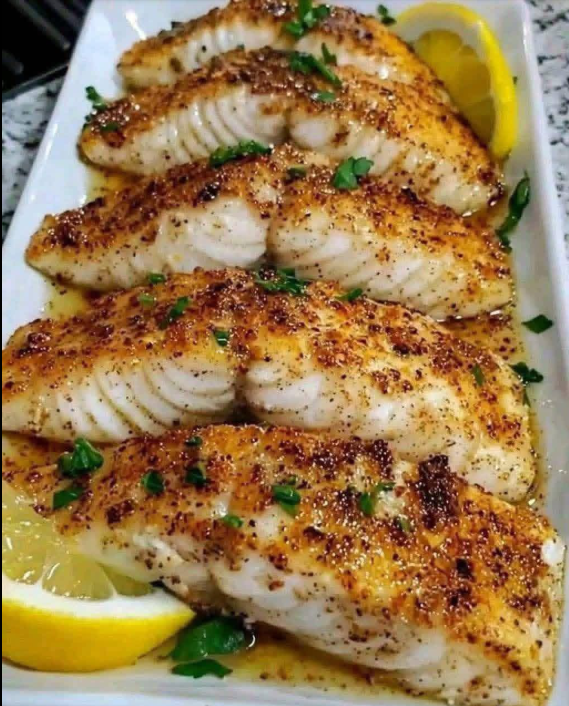
Return the fish to the pan briefly or spoon the sauce over the top before serving. The result is tender fish coated in a bright, silky sauce.
Tips for Success Every Time
Controlling Heat to Protect the Sauce
Heat management determines success. High heat sears fish, but low heat finishes the sauce. If the pan becomes too hot during butter incorporation, the sauce can separate. If that happens, remove it from heat immediately and whisk in a teaspoon of cold water to bring it back together.
Using a heavy skillet helps maintain steady temperature. Cast iron or stainless steel works best. Non-stick pans limit fond development, which reduces flavor. However, they can still work if that is all you have.
Adjusting the Technique for Other Proteins
The Lemon Butter Pan works beautifully with shrimp, scallops, and chicken. Shrimp and scallops require very short searing times, while chicken benefits from a slightly longer cook. In every case, remove the protein before making the sauce, then return it briefly at the end.
Vegetables also benefit from this method. Asparagus, green beans, or mushrooms absorb the sauce well. Simply sauté them until tender, then follow the same steps to build the sauce.
Serving Ideas and Pairings
Simple Sides That Let the Sauce Shine
Because the sauce carries so much flavor, keep sides simple. Steamed rice, mashed potatoes, or crusty bread soak up the lemon butter beautifully. Roasted vegetables add texture without competing.
A light salad with a mild dressing balances the richness of the dish. Avoid heavy sauces on the side, as they can overpower the delicate fish.
Presentation for a Polished Finish
Serve the fish on a warm plate and spoon the sauce generously over the top. Garnish with fresh herbs and lemon slices for brightness. The golden surface of the fish paired with the glossy sauce creates a visually appealing dish that feels intentional and refined.
Frequently Asked Questions
Can I make the sauce ahead of time?
No, the sauce is best made fresh and served immediately.
Why did my sauce separate?
The heat was likely too high when adding butter.
Can I use salted butter?
Yes, but reduce added salt and taste carefully.
Is wine required for the sauce?
No, broth works well and keeps the flavor clean.
What if my fish sticks to the pan?
It likely needs more time to sear before flipping.
Conclusion
The Lemon Butter Pan proves that technique matters more than complexity. With careful heat control, fresh ingredients, and a single skillet, you can create a dish that feels elegant and comforting at the same time. Once you understand how this method works, it becomes a foundation you can return to again and again. Whether you cook fish, chicken, or vegetables, this approach delivers consistent, satisfying results with minimal effort.
Leave a Reply