




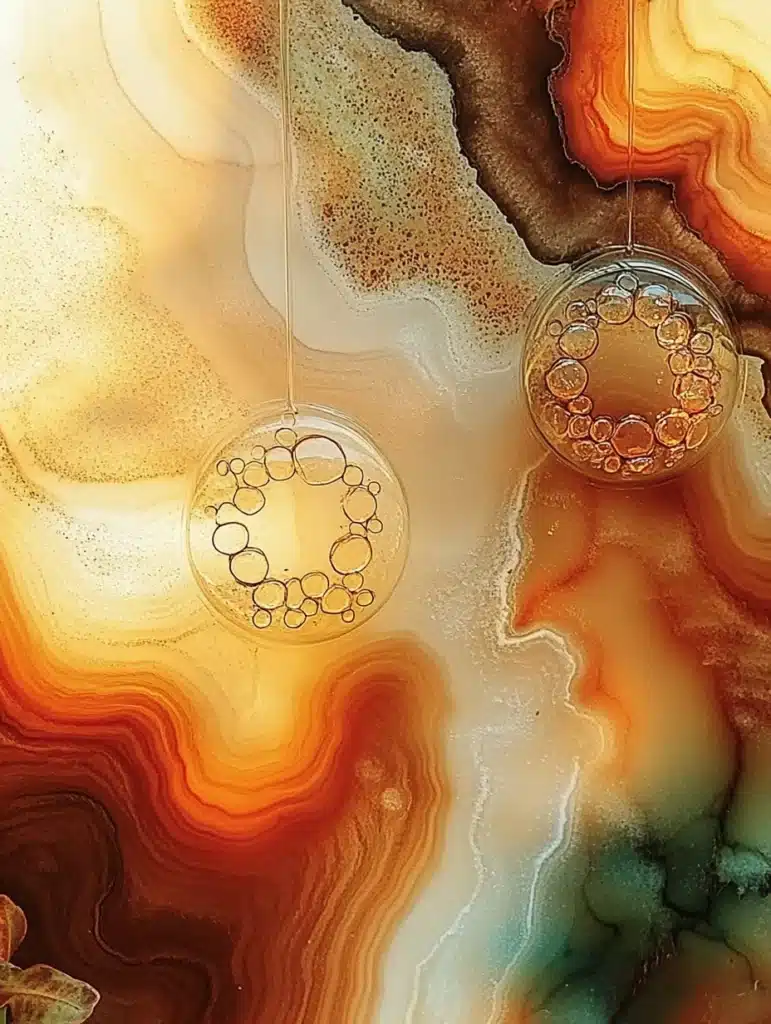
If you’re looking for a fun, easy, and slightly magical art project to do with your little ones, sugar water painting is the perfect creative escape. This activity is part art, part science, and all fun—kids get to mix, brush, and watch in awe as watercolor or food coloring transforms their sugar-coated designs into shimmery masterpieces.
Whether it’s a rainy-day boredom buster, a homeschool STEAM activity, or just a creative weekend project, sugar water painting offers a hands-on experience that encourages self-expression, motor skills, and sensory play.
🍭 Why You’ll Love Sugar Water Painting
- Safe and non-toxic: Just sugar, water, and color!
- Easy setup and cleanup: Minimal supplies, maximum fun.
- Educational value: Combines science (solutions & absorption) with creative expression.
- Sensory-friendly: Great for young kids who enjoy textures and shiny visuals.
- Open-ended play: Kids can create patterns, scenes, names, or abstract art.
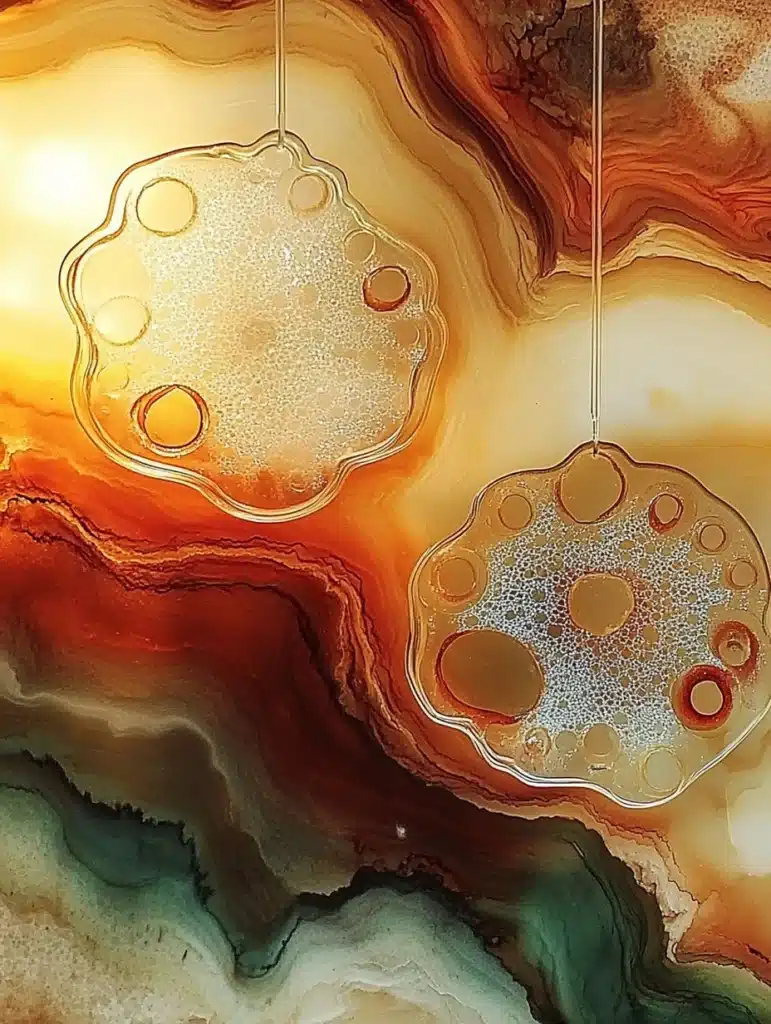
🎨 Materials You’ll Need
- 1 cup warm water
- 3 tablespoons sugar
- Watercolor paints or food coloring
- Watercolor paper or thick white paper
- Paintbrushes (various sizes if available)
- Small bowls or cups for mixing
- Pencil (optional, for light sketching)
- Paper towels for spills
- Tray or placemat to protect surfaces
Tip: Watercolor paper is ideal as it absorbs the sugar water without wrinkling. If using regular paper, go light on the water.
🖌️ How to Do Sugar Water Painting – Step-by-Step Instructions
Step 1: Make the Sugar Water
In a small bowl, stir 3 tablespoons of sugar into 1 cup of warm water until fully dissolved. Allow the mixture to cool before using.
Step 2: Set Up the Workspace
Lay out your materials in a well-lit, flat area. Put down a placemat or newspaper to catch drips. Set out brushes, sugar water, paint, and paper.
Step 3: Create with Sugar
Dip a paintbrush into the sugar water and paint directly onto the paper. Kids can paint swirls, shapes, letters, or even trace light pencil sketches.
Step 4: Add Color and Watch the Magic
While the sugar water is still wet, dip a clean brush into watercolor paint or food coloring and gently touch it to the sugary area. The color will spread and shimmer as it reacts with the sugary surface.
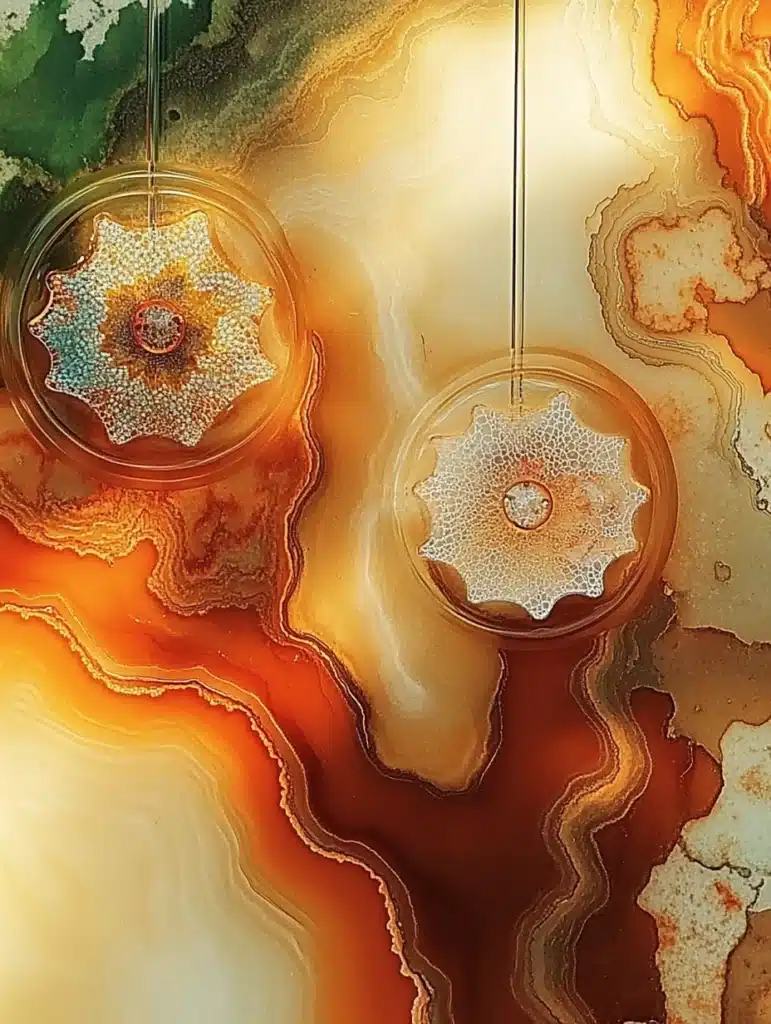
Science in Action: As the sugar water dries, it forms crystals, adding a subtle glossy finish to the artwork.
Step 5: Let it Dry
Allow the finished artwork to dry completely on a flat surface. Drying time may vary based on how much sugar water was used.
Optional: For extra sparkle, sprinkle a tiny bit of loose glitter onto wet sugar designs.
✏️ Optional Sketching First
For children who enjoy structure, lightly sketch shapes or outlines with a pencil before painting. They can then trace these lines with sugar water and watch as the color fills them in like magic.
🌈 Creative Variations and Themes
1. Galaxy Art
Use purples, blues, and blacks with tiny white dots for stars. The sugar gives a shimmery nebula effect.
2. Name Art
Let kids write their name in sugar water, then paint over the letters for a colorful, personalized masterpiece.
3. Holiday Projects
- Valentine’s Day: Paint sugar hearts with pink and red.
- Spring: Create rainbow eggs or blooming flowers.
- Winter: Snowflakes shimmer beautifully with blue food coloring.
4. Story Time Tie-Ins
Pair the project with a book! After reading about animals, nature, or weather, let kids paint scenes from the story using sugar water.
🧠 Educational Benefits
Sugar water painting is more than just fun—it builds skills too!
- Fine motor development: Holding brushes, painting lines, and precise dabbing.
- Observation and prediction: Watching how sugar and color interact.
- Science connections: Teaches basic chemistry concepts like solutions, crystallization, and absorption.
- Creativity and confidence: Kids make choices and see results they’re proud of.
🧼 Cleanup Tips
- Sugar water can get sticky—wipe spills quickly with a damp cloth.
- Rinse brushes thoroughly after use to prevent stiff bristles.
- Let paintings dry flat to avoid smearing or sticking.
- Store finished artwork between sheets of wax paper if needed.
📦 How to Store or Display Sugar Water Art
Once dry, sugar water paintings can be:
- Displayed on a wall or fridge with painter’s tape or magnets
- Laminated for bookmarks or keepsakes
- Photographed to preserve the shimmer digitally
- Sent as postcards or gifts to family and friends
Note: Because sugar can attract ants or moisture, avoid placing unsealed art in damp or bug-prone areas.
💡 Pro Tips for the Best Results
- Use clean brushes for color to avoid contaminating the sugar water.
- Don’t oversaturate the paper—too much liquid can cause wrinkles.
- Mix sugar water in advance and store in a sealed jar for later use.
- Encourage kids to experiment with color mixing right on the paper.

📝 Final Thoughts
Sugar water painting is a sweet and simple activity that transforms everyday materials into magical art. With its gentle shimmer and the exciting unpredictability of color spreading through sugar, this craft invites kids to explore, experiment, and express themselves. It’s the perfect blend of science and creativity, delivering sparkles, smiles, and proud little artists with every brushstroke.
So next time you’re looking for a craft that feels like a science experiment and looks like a masterpiece, grab your sugar, water, and paint—and let the magic begin!
Leave a Reply