




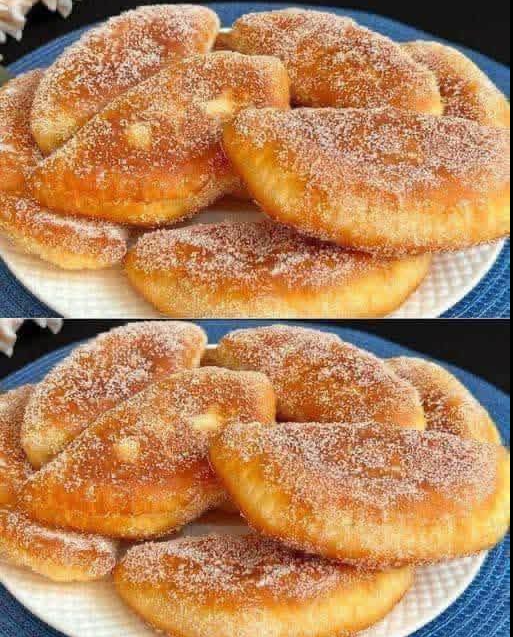
Sugar-Coated Fried Pastrie is one of those timeless treats that instantly feels comforting and familiar. With a crisp, golden exterior and a soft, pillowy center, these pastries deliver everything you want from a homemade fried dough. Each piece is generously coated in sugar, creating a sweet crunch that contrasts perfectly with the tender inside.
This Sugar-Coated Fried Pastrie recipe is simple enough for beginners yet satisfying enough to feel special. It works beautifully for breakfast, afternoon snacks, or dessert. Because the ingredients are pantry staples and the steps are straightforward, this recipe fits easily into any home kitchen routine. Whether you enjoy them warm with coffee or serve them as a sweet ending to a meal, they always disappear quickly.
I remember making a version of these pastries on a quiet weekend morning when the house was still and the kitchen felt cozy. The smell of frying dough filled the air, and once the pastries were rolled in sugar, they looked irresistible. Everyone gathered around the counter, sneaking one before they had even cooled. Since then, this recipe has become a go-to whenever something comforting and homemade is needed.
Why Sugar-Coated Fried Pastrie Is So Popular
The perfect balance of texture
Sugar-Coated Fried Pastrie stands out because of its contrast in textures. The outside fries up crisp and lightly golden, while the inside stays soft and fluffy. This balance makes each bite satisfying without feeling heavy.
Because the dough is rolled to just the right thickness, it cooks evenly and puffs slightly as it fries. As a result, the pastries feel light yet substantial. When coated in sugar while still warm, the sweetness sticks perfectly and creates a delicate crunch.
A classic flavor everyone loves
The flavor of Sugar-Coated Fried Pastrie is simple and comforting. Vanilla adds warmth, while butter enriches the dough without overpowering it. The sugar coating delivers sweetness that feels nostalgic and familiar.
Adding cinnamon to the sugar is optional, but it introduces a subtle spice that enhances the overall flavor. Whether plain or cinnamon-sugar coated, these pastries appeal to all ages.
Ingredients That Make These Pastries Shine
Pantry staples with big impact
This recipe relies on everyday ingredients, which makes it both accessible and reliable. All-purpose flour forms the base, while baking powder provides lift. Sugar sweetens the dough lightly, and salt balances the flavor.
Butter adds richness and tenderness, while milk brings moisture. Using an egg gives structure and helps the pastries puff slightly during frying. Vanilla extract rounds out the flavor and adds a subtle sweetness.
Oil and sugar coating essentials
Vegetable oil works best for frying because of its neutral flavor and high smoke point. Maintaining the correct temperature ensures the pastries cook evenly without absorbing excess oil.
The sugar coating is simple but essential. Granulated sugar clings best when the pastries are warm. Cinnamon can be added for extra warmth, but the pastries remain delicious even without it.
Ingredients
Equipment
Method
- Mix flour, sugar, salt, and baking powder in a bowl. Rub in butter until crumbly.
- Whisk milk, egg, and vanilla. Add to dry ingredients and mix into a soft dough.
- Roll dough to 1/2-inch thickness and cut into circles.
- Heat oil to 350°F and fry pastries 2–3 minutes per side until golden.
- Drain briefly, then roll warm pastries in sugar or cinnamon sugar.
Nutrition
Notes
Tried this recipe?
Let us know how it was!Step-by-Step Dough Preparation
Mixing the dry ingredients
Begin by combining flour, sugar, salt, and baking powder in a large bowl. Mixing these dry ingredients evenly ensures consistent flavor and texture throughout the dough.
Next, add softened butter and rub it into the flour mixture until it resembles coarse crumbs. This step distributes the fat evenly, which helps create a tender texture.
Adding wet ingredients
In a separate bowl, whisk together milk, egg, and vanilla extract. Pour this mixture into the dry ingredients and stir until a soft dough forms. The dough should be smooth and manageable, not overly sticky.
If the dough feels too sticky, add a small amount of flour until it becomes easier to handle. Avoid adding too much, as excess flour can make the pastries dense.
Rolling, Cutting, and Frying
Shaping the pastries
Transfer the dough to a lightly floured surface and roll it out to about half an inch thick. This thickness allows the pastries to puff slightly while frying without becoming doughy inside.
Use a round cutter or glass to cut out circles. Gather scraps, re-roll gently, and cut again until all dough is used. Keeping the shapes uniform helps them fry evenly.
Frying to golden perfection
Heat vegetable oil to about 350°F. Maintaining this temperature is key. Oil that is too cool causes greasy pastries, while oil that is too hot browns them too quickly.
Carefully place the dough circles into the hot oil, frying a few at a time. Cook for two to three minutes per side until golden brown. Flip gently to avoid splashing oil.
Once fried, transfer the pastries to a paper towel-lined plate to drain excess oil.
Coating and Serving the Pastries
The sugar coating process
While the pastries are still warm, roll them in granulated sugar or cinnamon sugar. Warm pastries allow the sugar to adhere evenly, creating a consistent coating.
Be generous with the sugar. The coating is what gives Sugar-Coated Fried Pastrie its signature sweetness and slight crunch.
Best ways to serve
These pastries taste best fresh and slightly warm. Serve them on a platter for sharing or enjoy them one by one with coffee or tea.
They pair beautifully with fruit preserves, honey, or chocolate sauce for dipping. However, they are just as satisfying on their own.
Tips for the Best Results
Keeping the dough tender
Avoid overworking the dough, as this can make the pastries tough. Mix only until combined and handle gently when rolling.
Letting the dough rest briefly before rolling can also improve texture, allowing the flour to hydrate fully.
Frying consistently
Keep an eye on oil temperature throughout frying. Allow the oil to return to 350°F between batches for consistent results.
Fry in small batches to prevent overcrowding, which lowers oil temperature and affects texture.
Variations to Try
Flavor additions
You can add lemon zest or nutmeg to the dough for extra flavor. A touch of almond extract can also create a bakery-style taste.
For a richer version, brush the warm pastries lightly with melted butter before rolling in sugar.
Dietary adjustments
This recipe adapts well to dairy-free milk alternatives. Gluten-free flour blends also work, though texture may vary slightly.
For a less sweet version, reduce the sugar in the dough and rely more on the coating for sweetness.
Frequently Asked Questions
Can I make the dough ahead of time?
Yes, you can refrigerate the dough for up to 24 hours. Let it come to room temperature before rolling.
How should leftovers be stored?
Store at room temperature in an airtight container for one day. Reheat briefly to restore texture.
Can these be baked instead of fried?
Frying gives the best texture, but baking is possible with slightly different results.
Why are my pastries greasy?
Oil temperature may be too low. Ensure it stays around 350°F.
Can I freeze these pastries?
They are best enjoyed fresh, but you can freeze fried, uncoated pastries and reheat before sugaring.
Conclusion
Sugar-Coated Fried Pastrie is a classic treat that delivers comfort, sweetness, and satisfying texture in every bite. With simple ingredients and easy steps, this recipe brings bakery-style results right into your kitchen. Whether you enjoy them fresh for breakfast or serve them as a dessert, these pastries always feel special and homemade.
Leave a Reply