





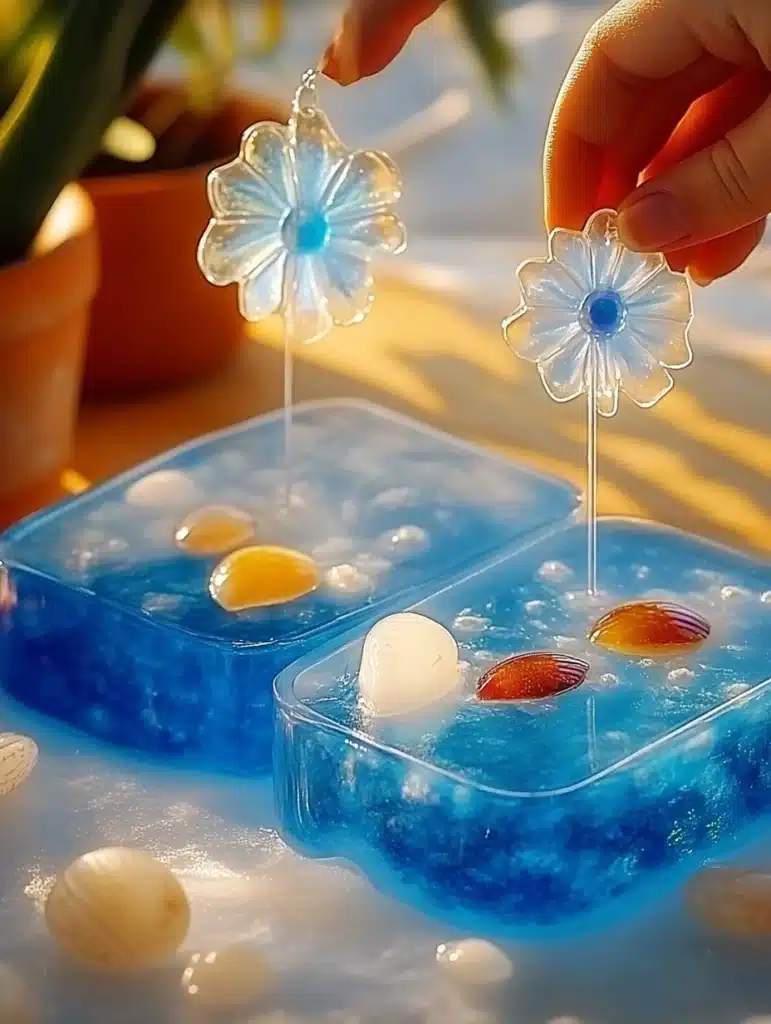
Looking for a fun, educational, and hands-on activity that kids will love? This saltwater slime recipe brings the calming blue hues of the ocean right to your sensory table. With sea salt, glitter, and optional ocean-themed mix-ins, this slime is a magical under-the-sea experience packed into a stretchy, gooey creation.
Saltwater slime is an engaging STEAM project that combines science, creativity, and sensory play. Whether you’re doing a marine biology unit, planning a beach-themed party, or just looking to mix up your slime game, this simple project is a winner.
🌊 Why You’ll Love This Saltwater Slime Recipe
- Ocean-inspired theme: Blue colors, sea salt, and marine mix-ins make it mesmerizing.
- Sensory-rich play: Stretching, squishing, and swirling support tactile exploration.
- Educational value: Teaches about chemical reactions, textures, and simple measurements.
- Easy ingredients: Most items can be found at home or the local craft store.
- Creative & customizable: Endless ways to make it unique with glitter, shells, and more.
🧂 Ingredients & Supplies
Ingredients:
- 1 (4 oz) bottle of clear school glue
- 1/2 cup warm water
- 1/2 teaspoon sea salt or table salt
- 1/2 teaspoon baking soda
- A few drops of blue food coloring or liquid watercolor
- 1 tablespoon saline solution (must contain boric acid)
Optional Mix-ins:
- Fine glitter (blue, silver, or iridescent)
- Mini seashells
- Plastic ocean animals
- Blue beads or foam balls
Supplies:
- Mixing bowl
- Spoon or spatula
- Measuring spoons and cup
- Sensory bin or shallow tray for play
Tip: Clear glue works best for a water-like appearance. White glue will make the slime more opaque.
🧪 Step-by-Step Instructions
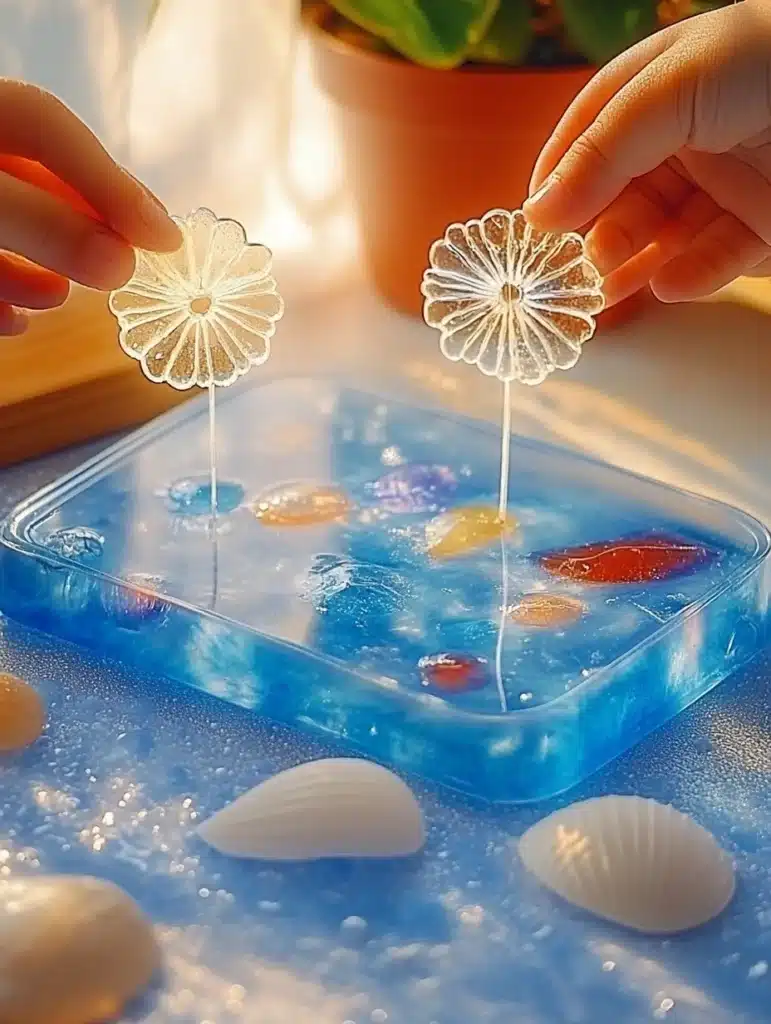
Step 1: Mix the Base
Pour your entire bottle of clear glue into a large mixing bowl. Add 1/2 cup of warm water and a few drops of blue food coloring or liquid watercolor. Stir the mixture well until the color is evenly distributed.
Step 2: Add Salt and Baking Soda
Sprinkle in 1/2 teaspoon of sea salt and 1/2 teaspoon of baking soda. Mix thoroughly until everything is dissolved. These ingredients help firm the slime and give it its unique saltwater texture.
Step 3: Activate the Slime
Slowly add 1 tablespoon of saline solution to the bowl, mixing continuously. As you stir, the mixture will start to thicken. Use your hands to knead the slime for a few minutes until it becomes stretchy, soft, and pulls away from the sides of the bowl.
If the slime is too sticky, add a few extra drops of saline solution while kneading.
Step 4: Customize with Mix-ins
Add your chosen mix-ins, such as glitter, mini seashells, or plastic sea animals. Fold them into the slime carefully to ensure they are evenly dispersed. This step adds fun textures and ocean-themed surprises to your slime.
Step 5: Set Up for Play
Transfer the finished slime to a shallow plastic sensory bin or tray. Provide scoops, small containers, or plastic toys to enhance the sensory experience. Let the kids stretch, swirl, poke, and shape their ocean slime!
✨ Tips & Tricks
- Make it stretchier: Knead the slime longer to increase elasticity.
- Create multiple colors: Make smaller batches in different shades of blue or green, then swirl them together.
- Store properly: Keep slime in an airtight container when not in use to extend its life.
- Refresh old slime: If it starts to dry out, add a tiny bit of water or saline and knead it back to life.
🧠 Educational Benefits of Slime Play
Saltwater slime offers a host of learning opportunities:
- Science: Understand chemical reactions between glue, baking soda, and saline.
- Math: Practice measuring ingredients and proportions.
- Sensory development: Engage touch, sight, and (optionally) smell.
- Creative expression: Customize slime with color, texture, and storytelling themes.
This activity aligns well with early childhood STEAM learning goals.
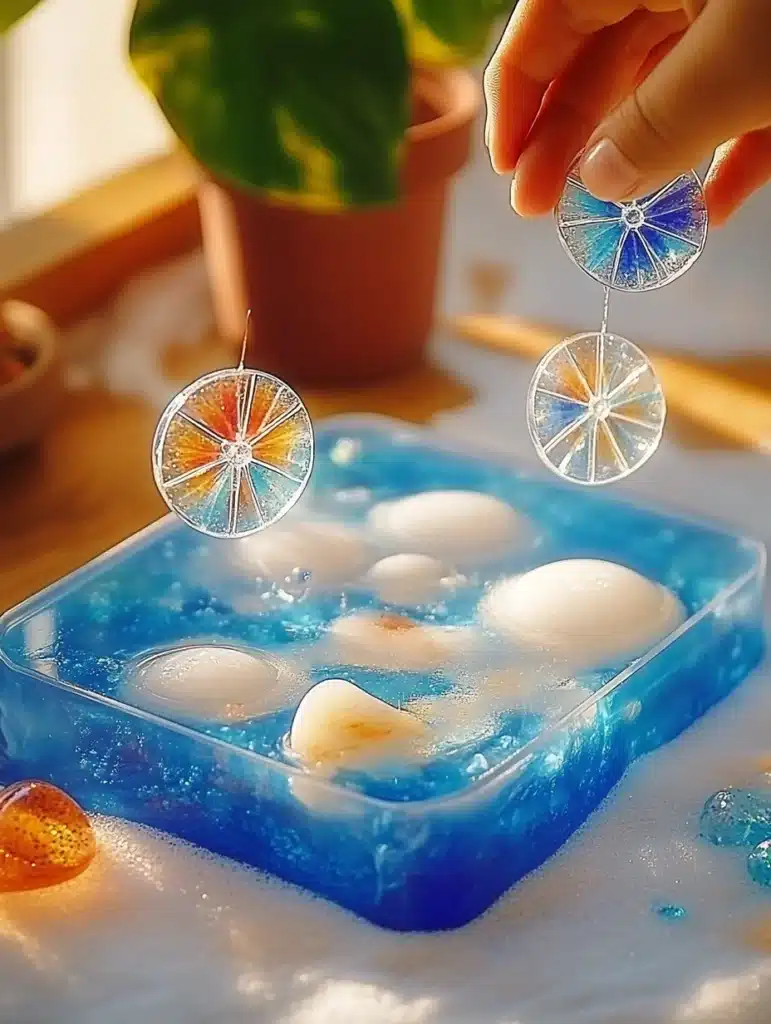
🐚 Theme Ideas & Variations
1. Beach Slime
Add tan or white glitter and tiny shell pieces for a sandy ocean floor feel.
2. Deep Sea Glow
Use glow-in-the-dark paint or pigment to make bioluminescent slime. Great for nighttime play!
3. Aromatherapy Slime
Add a drop of ocean breeze or eucalyptus essential oil for a calming scent experience.
4. Mermaid Slime
Mix in purple and teal glitter with pearl beads for a magical mermaid twist.
5. Frozen Ocean Slime
Use snowflake confetti, light blue glitter, and icy mix-ins for a frozen sea theme.
🎁 How to Use Saltwater Slime Creatively
- Birthday party favor: Package mini slime jars for guests.
- Ocean-themed lesson: Pair with books or lessons about sea life.
- Sensory bin rotation: Refresh your sensory table with seasonal or themed versions.
- Science fair demo: Show off a basic chemical reaction project.
- Calming play: Use in a quiet time bin with soothing visuals and textures.
🧼 Cleanup & Storage
- Cleanup: Wipe hands and surfaces with a damp cloth.
- Storage: Place slime in an airtight plastic container or resealable bag.
- Shelf life: Lasts 1–2 weeks when stored properly.
- Disposal: Discard in the trash—never down the drain!
Always supervise younger kids to prevent ingestion or improper use.
💬 FAQs
Q: Can I use white glue instead of clear glue?
A: Yes, but the result will be more opaque and less ocean-like.
Q: Why is my slime too sticky?
A: Add a few drops more of saline solution and knead well.
Q: Can I add food-safe items like sprinkles?
A: It’s best to avoid edible decorations to reduce confusion and prevent ingestion.
Q: Is this slime taste-safe?
A: No. While non-toxic, it should not be consumed. Always supervise play with small children.
Q: Can this be used in a classroom?
A: Absolutely! Just prep individual batches or use gloves for sharing slime safely.
📝 Final Thoughts
Saltwater slime is a brilliant blend of ocean inspiration and hands-on learning. With its crystal-clear base, salty shimmer, and soothing blue tones, it invites kids to dive into creativity while experiencing the textures and movement of a slime sea. Whether you’re building a sensory bin, teaching about the ocean, or just want a new twist on classic slime, this recipe is a hit.
So gather your glue, stir up the sea, and set sail for sensory fun!
Leave a Reply