








Roasted Sweet Potatoes are one of those simple dishes that manage to be comforting, nutritious, and endlessly versatile all at once. With their caramelized edges, soft centers, and naturally sweet flavor, Roasted Sweet Potatoes fit seamlessly into everyday meals and special occasions alike. Whether you serve them as a savory side dish, a hearty bowl base, or a lightly sweet treat, they always deliver warmth and satisfaction.
What makes Roasted Sweet Potatoes especially appealing is how little effort they require. A few basic ingredients, a hot oven, and the right technique turn humble sweet potatoes into something deeply flavorful. This recipe keeps things straightforward while leaving room for creativity, making it perfect for beginners and experienced home cooks alike.
I still remember the first time roasted sweet potatoes became a regular part of my cooking routine. They started as a last-minute side dish, tossed with olive oil and salt because the fridge was nearly empty. When they came out of the oven, golden and fragrant, everyone went back for seconds. Since then, they have shown up on weeknight plates, holiday tables, and meal-prep containers more times than I can count. Their reliability and flavor make them feel like a kitchen staple you can always trust.
Why Roasted Sweet Potatoes Are a Go-To Favorite
Naturally Sweet and Savory
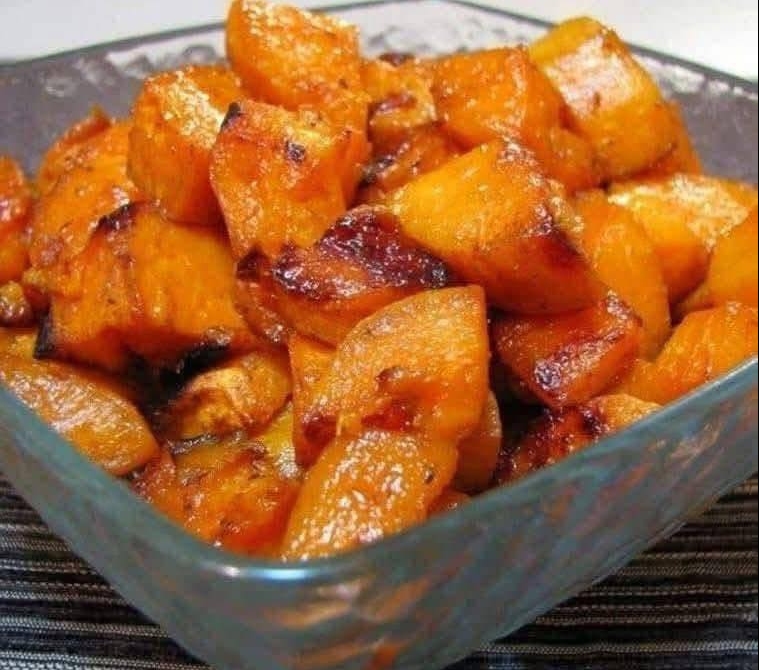
Roasted Sweet Potatoes shine because heat brings out their natural sugars. As they roast, those sugars caramelize, creating crisp edges and deep flavor without added sweetness. Olive oil enhances that process, helping the potatoes brown evenly while keeping the inside tender.
At the same time, simple seasonings like salt, pepper, and paprika balance the sweetness. Garlic powder adds warmth, while herbs introduce freshness. This balance allows Roasted Sweet Potatoes to pair well with almost any main dish, from roasted meats to plant-based meals.
Nutritious Without Feeling Heavy
Another reason Roasted Sweet Potatoes are so popular is their nutritional value. They are rich in vitamin A, fiber, and antioxidants, making them a wholesome choice that still feels indulgent. Because roasting requires minimal oil, the dish stays light while delivering satisfying texture.
This combination of nutrition and comfort makes Roasted Sweet Potatoes suitable for everyday eating. They feel hearty enough to satisfy, yet clean enough to fit into balanced meals.
Selecting and Preparing Sweet Potatoes
Choosing the Best Sweet Potatoes
For the best results, look for sweet potatoes that feel firm and heavy for their size. Smooth skin without soft spots ensures freshness and even cooking. Medium-sized sweet potatoes are ideal because they roast evenly and are easy to cut into uniform pieces.
Peeling is optional. Leaving the skin on adds texture and saves time, while peeling creates a softer bite. Both options work well, so the choice comes down to preference.
Cutting for Even Roasting
Uniform size matters when roasting. Cutting sweet potatoes into evenly sized cubes or wedges ensures they cook at the same rate. Pieces about one to one-and-a-half inches work best, allowing the outside to caramelize while the inside becomes tender.
Once cut, toss the sweet potatoes in olive oil and seasonings until evenly coated. This step helps the spices adhere and promotes even browning during roasting.
Ingredients
Equipment
Method
- Preheat the oven to 400°F and line a baking sheet with parchment paper.
- Wash, peel if desired, and cut sweet potatoes into evenly sized cubes or wedges.
- Toss sweet potatoes with olive oil, salt, pepper, garlic powder, and paprika.
- Spread in a single layer on the baking sheet.
- Roast for 25–30 minutes, flipping halfway through, until tender and caramelized.
- Remove from oven and season to taste before serving.
Nutrition
Notes
Tried this recipe?
Let us know how it was!Roasting Techniques for Perfect Texture
Oven Temperature and Spacing
A hot oven is essential for Roasted Sweet Potatoes. Preheating to 400°F allows the potatoes to roast rather than steam. Spreading them in a single layer on a baking sheet gives each piece direct heat, which creates those desirable crispy edges.
Overcrowding the pan traps moisture and prevents browning. If needed, use two baking sheets to give the potatoes enough space. This simple adjustment makes a noticeable difference in texture.
Flipping and Testing for Doneness
Flipping the sweet potatoes halfway through roasting ensures even color on all sides. This step helps them develop a consistent caramelized exterior.
To test for doneness, insert a fork or skewer into a piece. It should slide in easily without resistance. At this point, the sweet potatoes are tender inside and crisp outside, ready to serve.
Flavor Variations and Serving Ideas
Savory and Sweet Additions
Roasted Sweet Potatoes adapt easily to different flavor profiles. For a sweeter version, add a pinch of cinnamon or drizzle with honey or maple syrup after roasting. These additions enhance the natural sweetness without overpowering it.
For savory options, sprinkle with Parmesan cheese, fresh herbs, or a squeeze of lemon zest. Chili powder or cayenne pepper adds gentle heat, while chopped nuts provide texture and richness.
How to Serve Roasted Sweet Potatoes
Serve Roasted Sweet Potatoes as a side dish alongside grilled chicken, fish, or plant-based proteins. They also work beautifully as a base for grain bowls, salads, or wraps.
Leftovers reheat well and can be added to breakfast hashes or lunches throughout the week. Their versatility makes them a dependable addition to any meal plan.
Tips for Consistent Success
Simple Adjustments That Matter
Using parchment paper makes cleanup easy and helps prevent sticking. Stirring the potatoes gently rather than aggressively keeps them intact and evenly browned.
Adjust seasoning after roasting if needed. A final sprinkle of salt or herbs right before serving brightens the flavors and enhances the overall dish.
Avoiding Common Mistakes
Skipping preheating or overcrowding the pan are the most common issues. Both lead to softer, less caramelized potatoes. Paying attention to these small details ensures Roasted Sweet Potatoes turn out perfectly every time.
FAQ
Do I need to peel sweet potatoes before roasting?
No, peeling is optional. The skin adds texture and flavor if left on.
Why are my sweet potatoes not crispy?
Overcrowding the pan or using too low an oven temperature can prevent crisping.
Can I make Roasted Sweet Potatoes ahead of time?
Yes, they can be roasted ahead and reheated in the oven for best texture.
What oil works best for roasting?
Olive oil works well, but other neutral oils can be used if preferred.
Can I add herbs before roasting?
Yes, but delicate herbs are best added near the end to prevent burning.
Conclusion
Roasted Sweet Potatoes prove that simple ingredients and good technique can create outstanding results. With their caramelized exterior, tender center, and adaptable flavor, they earn their place as a reliable favorite in any kitchen.
Whether you keep them classic or dress them up with spices and toppings, Roasted Sweet Potatoes deliver comfort, nutrition, and flavor every time you make them.
Leave a Reply