









Perfectly Cooked Ribeye Steak is the ultimate example of how simple techniques can deliver restaurant-quality results at home. With its rich marbling and bold beef flavor, ribeye does not need complicated marinades or long ingredient lists. Instead, proper timing, generous seasoning, and careful heat control transform this cut into a tender, juicy steak with a beautiful crust. Whether you are cooking for a special dinner or just treating yourself, this method delivers consistent, satisfying results.
I started making ribeye this way after one too many disappointing steaks that looked great but tasted dry. One evening, with only a cast-iron pan, butter, garlic, and herbs, I slowed down and focused on technique instead of shortcuts. The steak rested quietly on the counter, seasoned simply, then hit a hot pan. The sizzle alone told me this time was different. When I sliced into it after resting, the juices stayed where they belonged. Since then, this approach has been my standard, and it has never let me down.
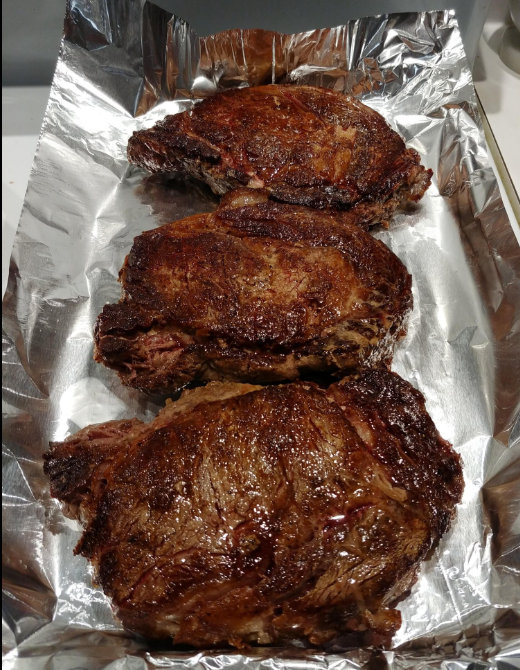
Why Perfectly Cooked Ribeye Steak Deserves Attention
Ribeye’s Natural Flavor Does the Work
Perfectly Cooked Ribeye Steak stands out because ribeye already contains generous marbling. That internal fat melts during cooking, keeping the meat moist and deeply flavorful. Because of this, ribeye does not require marinades or heavy sauces. Instead, salt, pepper, and proper heat allow the beef to shine.
When cooked correctly, the fat renders slowly, basting the steak from the inside. This process creates a rich mouthfeel and enhances tenderness. As a result, each bite feels indulgent without being overwhelming. Ribeye rewards patience and simplicity more than almost any other cut.
Additionally, ribeye responds beautifully to high-heat searing. A hot pan creates a crust that locks in juices while adding texture and flavor. That contrast between crust and tender interior defines a truly great steak.
Simple Technique Brings Consistent Results
Perfectly Cooked Ribeye Steak relies on a repeatable method rather than guesswork. Bringing the steak to room temperature promotes even cooking. Seasoning generously ensures flavor penetrates the surface. Preheating the pan properly prevents sticking and encourages browning.
Because the steps remain straightforward, the process feels approachable even for beginners. Once you understand the basics, you can cook ribeye confidently without relying on complicated tools or recipes.
Choosing the Right Ribeye Steak
Thickness and Quality Matter
For Perfectly Cooked Ribeye Steak, thickness plays a major role. A steak around 1 to 1½ inches thick cooks more evenly and gives you better control over doneness. Thinner steaks cook too quickly and risk overcooking before developing a proper crust.
Look for ribeye with visible marbling throughout the meat. That fat melts as it cooks, contributing flavor and juiciness. Bright red color and firm texture also signal freshness. While bone-in ribeye adds flavor, boneless ribeye works just as well with this method.
Choosing quality beef does not require premium labels. Instead, focus on appearance and marbling. A good cut makes every other step easier.
Preparing the Steak Before Cooking
Taking the steak out of the refrigerator at least 30 minutes before cooking helps it cook evenly. Cold steak placed directly in a hot pan often cooks unevenly, leading to an overdone exterior and undercooked center.
Patting the steak dry before seasoning removes surface moisture. This step encourages better browning, which improves flavor and texture. Once dry, season generously with sea salt and freshly ground black pepper on both sides.
Ingredients
Equipment
Method
- Remove steak from refrigerator 30 minutes before cooking to bring to room temperature.
- Season both sides generously with salt and black pepper.
- Heat a heavy-bottomed pan over medium-high heat until hot.
- Sear steak for 2–3 minutes per side, depending on thickness and desired doneness.
- Add butter, garlic, and thyme. Tilt pan and baste steak with melted butter for 1 minute.
- Remove steak from pan and rest for 5 minutes before slicing and serving.
Nutrition
Notes
Tried this recipe?
Let us know how it was!Cooking Perfectly Cooked Ribeye Steak
Searing for a Flavorful Crust
A heavy-bottomed pan works best for Perfectly Cooked Ribeye Steak. Cast iron or stainless steel retains heat well and creates an even sear. Preheat the pan over medium-high heat until it feels hot before adding the steak.
Place the steak in the pan and resist the urge to move it. Allowing it to sit undisturbed helps develop a deep, golden crust. After 2–3 minutes, flip and repeat on the other side. Adjust cooking time based on thickness and desired doneness.
Because ribeye contains fat, it naturally releases some oil during cooking. This fat enhances browning and flavor, reducing the need for additional oil.
Basting With Butter and Aromatics
Once both sides are seared, adding butter, garlic, and thyme elevates the steak. As the butter melts, it mixes with rendered fat and aromatics. Tilting the pan allows you to spoon this mixture over the steak repeatedly.
This basting step adds richness and depth without overpowering the beef. The garlic and thyme infuse subtle aroma, while butter enhances the crust and interior. Even one minute of basting makes a noticeable difference.
Resting and Serving the Steak
Why Resting Matters
Perfectly Cooked Ribeye Steak requires resting before slicing. During cooking, juices move toward the surface. Resting allows them to redistribute throughout the meat, resulting in a juicier steak.
Five minutes of rest on a warm plate usually suffices. Skipping this step causes juices to spill out when slicing, leaving the steak drier than necessary. Resting may feel unnecessary, but it dramatically improves texture.
Slicing and Serving Suggestions
When ready to serve, slice the steak against the grain. This technique shortens muscle fibers, making each bite more tender. Season lightly if needed, but avoid masking the natural flavor.
Ribeye pairs well with simple sides like roasted vegetables, potatoes, or a crisp salad. Keeping sides uncomplicated lets the steak remain the star of the plate.
Understanding Doneness Levels
Internal Temperatures Explained
Perfectly Cooked Ribeye Steak benefits from using internal temperature as a guide. A meat thermometer provides accuracy and consistency. Insert it into the thickest part of the steak for the best reading.
Rare steaks feel very soft and show deep red centers. Medium-rare offers a warm red center with maximum juiciness. Medium brings a pink center and firmer texture. Well-done steaks cook longer and lose more moisture.
Choosing doneness depends on preference, but ribeye shines most at medium-rare to medium. At these levels, fat renders properly without drying out the meat.
Adjusting Cooking Time
Thickness and pan heat affect timing. Thicker steaks require slightly longer cooking, while thinner ones cook quickly. Watching color and texture helps guide adjustments alongside temperature readings.
Practice builds confidence. With each steak, you learn how your pan and stove behave, making future results even better.
Frequently Asked Questions
Do I need oil in the pan?
Usually no. Ribeye releases enough fat during cooking, but a small amount of oil can help if the pan is very dry.
Can I cook ribeye without butter?
Yes, but butter adds richness and enhances flavor. Skipping it keeps the steak simpler.
How do I prevent smoking?
Using a well-ventilated area and keeping heat controlled helps reduce smoke during searing.
Should I flip the steak more than once?
Flipping once works well, but occasional flipping also cooks evenly. Either method works if heat stays consistent.
Can I finish ribeye in the oven?
Yes, especially for very thick steaks. Sear first, then finish in the oven until desired doneness.
Conclusion
Perfectly Cooked Ribeye Steak proves that mastering basics creates extraordinary results. With proper preparation, high heat, and careful resting, this cut delivers bold flavor and tenderness every time. By focusing on technique rather than complexity, you can enjoy steakhouse-quality ribeye right at home. Once you follow this method, it becomes a reliable way to turn a great cut of beef into an unforgettable meal.
Leave a Reply