







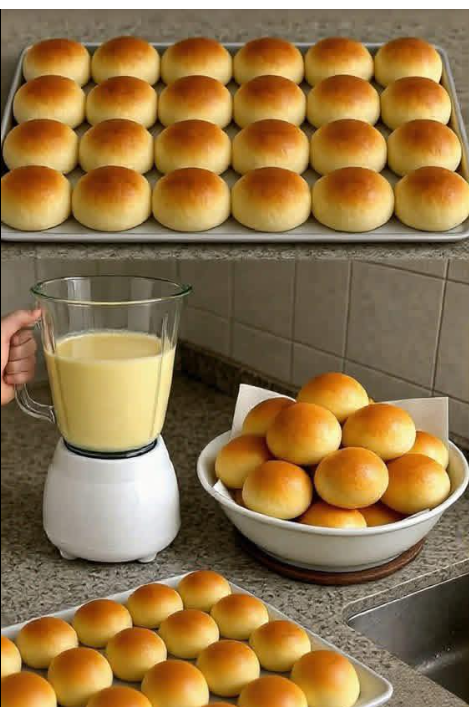
Homemade Soft Bread Rolls are one of those recipes that instantly make a kitchen feel warm and welcoming. Soft on the inside, lightly golden on the outside, and rich with buttery flavor, these rolls are perfect for everyday meals and special occasions alike. Whether served alongside soup, filled for sliders, or enjoyed warm with butter, they always deliver comfort.
What sets Homemade Soft Bread Rolls apart is their texture. They are fluffy without being airy, tender without crumbling, and sturdy enough to hold fillings while still melting in your mouth. Best of all, the ingredients are simple and familiar, making this recipe approachable even if you are new to baking bread at home.
There is something deeply satisfying about watching dough rise, shaping it by hand, and pulling a tray of golden rolls from the oven. The smell alone makes the effort worthwhile. These rolls are not just food. They are the kind of recipe that becomes part of regular family meals and holiday traditions.
Why These Bread Rolls Turn Out So Soft
The Importance of Milk and Butter
Milk plays a major role in the softness of Homemade Soft Bread Rolls. Compared to water-based doughs, milk adds richness and tenderness, giving the rolls a softer crumb. Warm milk also helps activate the yeast properly, leading to a better rise.
Butter adds both flavor and texture. Melted butter coats the flour proteins, limiting gluten formation just enough to keep the rolls tender rather than chewy. This balance is what gives the rolls their signature softness while still allowing them to hold their shape.
Yeast Activation Done Right
Active dry yeast needs the right environment to work well. Warm milk around 110°F helps wake up the yeast without killing it. Adding sugar gives the yeast something to feed on, encouraging foaming and proper fermentation.
When the yeast mixture becomes foamy after a few minutes, you know it is ready. This step ensures that your Homemade Soft Bread Rolls rise evenly and develop a light, fluffy interior.
Mixing and Kneading the Dough
Building Structure Without Overworking
Once the yeast is activated, flour, butter, salt, and egg are added to form the dough. At first, the mixture may look rough, but kneading brings everything together. Kneading for about ten minutes develops enough gluten to give the rolls structure.
The dough should become smooth, elastic, and slightly tacky but not sticky. If it sticks too much, a small sprinkle of flour helps. Proper kneading ensures Homemade Soft Bread Rolls bake up soft but not dense.
Why the Egg Matters
The egg in the dough adds richness and improves texture. It also contributes to a slightly golden interior crumb. While optional in some bread recipes, the egg here helps create that bakery-style softness people love.
Because of the egg, the dough feels more supple and easier to shape, which makes forming uniform rolls much simpler.
The Rising Process Explained
First Rise for Flavor and Volume
The first rise allows the dough to double in size, developing both flavor and structure. During this time, yeast produces gas that stretches the dough, creating air pockets that later become the soft interior.
Cover the bowl and place it in a warm, draft-free area. Patience here pays off, as rushing the rise can result in dense rolls. Proper fermentation is key to Homemade Soft Bread Rolls that feel light and tender.
Shaping and Second Rise
After the first rise, gently punch down the dough to release excess air. Divide it into equal portions to ensure even baking. Rolling each piece into a smooth ball helps create a uniform shape and even crumb.
The second rise allows the shaped rolls to relax and expand again. This step improves texture and ensures the rolls bake evenly with a soft pull-apart quality.
Baking for a Golden Finish
Egg Wash for Color
Brushing the rolls with an egg yolk and milk mixture gives them a beautiful golden-brown finish. This step adds visual appeal and a slight sheen that makes the rolls look bakery-perfect.
Apply the egg wash gently so you do not deflate the dough. Even a light coating is enough to enhance the final appearance.
Knowing When They Are Done
Bake the rolls at 375°F until they are evenly golden on top. They should sound slightly hollow when tapped and feel light for their size. Overbaking can dry them out, so remove them as soon as they are done.
Let the rolls cool slightly before serving. This short rest allows the crumb to set while keeping the interior soft and warm.
Ingredients
Equipment
Method
- Mix warm milk, sugar, and yeast. Let sit until foamy.
- Add flour, melted butter, salt, and egg. Knead until smooth.
- Cover and let rise until doubled in size.
- Divide dough, shape into rolls, and let rise again.
- Brush with egg wash and bake at 375°F until golden.
Nutrition
Notes
Tried this recipe?
Let us know how it was!Serving and Storing Soft Bread Rolls
How to Serve Them
Homemade Soft Bread Rolls are incredibly versatile. Serve them warm with butter, use them for sliders, or pair them with soups and stews. They also work well as dinner rolls for holidays and gatherings.
Because the flavor is mild and buttery, they complement both savory and sweet dishes without overpowering anything else on the table.
Storage Tips
Store leftover rolls in an airtight container at room temperature for up to two days. For longer storage, freeze them once completely cooled. Reheat gently to restore softness.
When warmed properly, Homemade Soft Bread Rolls taste just as good as the day they were baked.
Frequently Asked Questions
Can I make the dough ahead of time?
Yes, the dough can be refrigerated after the first rise and baked the next day.
Can I use instant yeast instead of active dry yeast?
Yes, but skip the proofing step and mix it directly with the dry ingredients.
Why are my rolls dense?
Dense rolls usually result from under-kneading, inactive yeast, or insufficient rising time.
Can I make these rolls without eggs?
Yes, but the texture will be slightly less rich.
Do these rolls freeze well?
Yes, they freeze very well when wrapped tightly.
Conclusion
Homemade Soft Bread Rolls are a timeless recipe that brings comfort and satisfaction to any meal. With their tender crumb, golden tops, and rich flavor, they are easy to love and even easier to make again and again. Once you bake these rolls, they quickly become a staple you reach for whenever fresh bread is needed.
Leave a Reply