





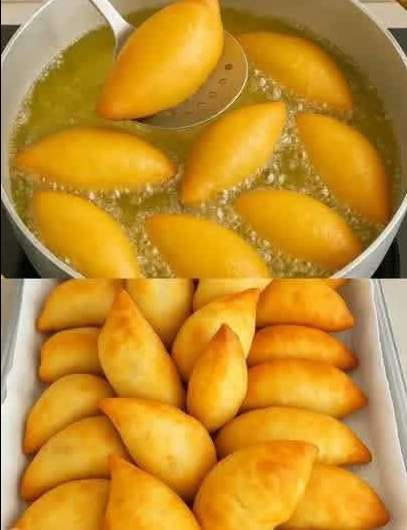
Homemade little cake is one of those recipes that instantly feels familiar, comforting, and deeply satisfying. Crispy on the outside, soft and fluffy on the inside, and filled with savory chicken, these small fried pastries are the kind of treat that disappears fast from the table. Simple ingredients, straightforward steps, and unbeatable flavor make this recipe a true classic that never goes out of style.
This homemade little cake recipe is rooted in tradition. It relies on a soft yeast dough, a well-seasoned chicken filling, and gentle frying to create golden, irresistible bites. Whether served as a snack, party food, or light meal, these little cakes deliver warmth and nostalgia in every bite.
I grew up watching these little cakes being made in the late afternoon, when the kitchen smelled like fresh dough and sizzling oil. They were always prepared without rush, shaped by hand, and fried until perfectly golden. No matter how many were made, they never lasted long. Making them now feels like bringing a piece of that simple joy back into my own kitchen.
Why Homemade Little Cake Is Always a Favorite
Simple Ingredients With Big Flavor
Homemade little cake uses pantry staples that come together beautifully. Flour, yeast, water, and a single egg form a dough that is soft, flexible, and easy to work with. Once fried, it becomes crisp on the outside while staying tender inside.
The chicken filling adds savory depth. Seasoned simply with aromatics and spices, it complements the mild dough perfectly. Every bite offers balance, comfort, and satisfying texture.
This simplicity is what makes homemade little cake so reliable. There are no complicated techniques, yet the result feels special every time.
Perfect for Any Occasion
Homemade little cake works for nearly any moment. It can be served as an afternoon snack, a party appetizer, or even a casual dinner when paired with a fresh salad.
Because the dough is neutral, the recipe is easy to adapt. You can change fillings, adjust seasoning, or shape them differently without losing the heart of the dish.
Understanding the Dough
Yeast-Based Dough That Fries Beautifully
The dough for homemade little cake is yeast-based, which gives it lightness and structure. Dissolving the yeast with sugar activates it and ensures proper rise.
Water hydrates the flour, while margarine and egg add tenderness. Salt balances flavor and strengthens the dough. When kneaded properly, the dough becomes smooth, elastic, and easy to shape.
Letting the dough rise until doubled is essential. This step creates air pockets that result in a fluffy interior once fried.
Dividing and Shaping
Dividing the dough into equal portions ensures even cooking. Rolling each portion into a ball before shaping helps create uniform pastries.
When rolled out, the dough should be thin enough to hold filling without tearing, yet sturdy enough to seal well.
Preparing the Chicken Filling
Cooked and Well-Seasoned Chicken
The filling starts with cooked, shredded chicken breast. Using pre-cooked chicken saves time and allows flavors to build quickly.
Sautéing the chicken with garlic, onion, olive oil, and spices enhances flavor and removes excess moisture. This step is important, as a wet filling can cause the dough to open during frying.
Letting the filling cool completely before assembling prevents the dough from becoming soft or sticky.
Seasoning to Taste
The beauty of homemade little cake lies in flexible seasoning. Garlic, onion, black pepper, paprika, oregano, and parsley create a classic profile.
You can adjust spices to suit your taste, but balanced seasoning ensures the filling enhances rather than overpowers the dough.
Ingredients
Equipment
Method
- Dissolve yeast in sugar, then add margarine, egg, and water.
- Gradually mix in flour and salt until dough forms and no longer sticks.
- Knead until smooth, divide into 12 balls, and let rise until doubled.
- Sauté shredded chicken with seasonings and let cool completely.
- Roll dough, fill with chicken, seal, and fry until golden.
Nutrition
Notes
Tried this recipe?
Let us know how it was!Assembling Homemade Little Cake
Filling and Sealing
Roll out each dough ball gently. Place a portion of chicken filling in the center, keeping space around the edges.
Fold the dough over the filling and seal carefully. Press edges firmly to prevent opening during frying. Shaping can be half-moon, oval, or round depending on preference.
A good seal is key to keeping the filling inside and achieving a clean, golden finish.
Preparing for Frying
Heat oil to the proper temperature before frying. Oil that is too cool causes greasy pastries, while oil that is too hot browns too quickly.
The ideal temperature allows the dough to cook evenly, puff slightly, and turn golden without burning.
Frying to Golden Perfection
Frying in Batches
Fry the homemade little cakes in small batches to maintain oil temperature. Overcrowding the pan lowers heat and affects texture.
Turn them gently as they fry to ensure even browning on both sides.
Draining and Serving
Once golden, remove the pastries and drain on paper towels. This removes excess oil and keeps them crisp.
Serve warm for the best texture and flavor. The contrast between crispy exterior and soft interior is at its best when fresh.
Tips for the Best Homemade Little Cake
Dough Texture Matters
The dough should not stick to your hands but should remain soft. Adding flour gradually helps achieve the right consistency.
Overly stiff dough results in dense pastries, while overly soft dough can be difficult to shape.
Oil Temperature Control
Maintain steady heat while frying. Adjust the burner as needed between batches.
Testing one pastry first helps confirm oil readiness.
Cooling the Filling
Never skip cooling the filling. Warm filling weakens the dough and makes sealing difficult.
Variations to Try
Cheese and Chicken
Adding shredded cheese to the chicken filling creates a creamy, indulgent center.
Beef or Vegetable Filling
Ground beef or sautéed vegetables can replace chicken easily. Season well and keep fillings dry.
Baked Version
For a lighter option, brush pastries with oil and bake until golden. Texture will differ slightly but remain delicious.
Storage and Reheating
Storing Leftovers
Store leftover homemade little cake in an airtight container in the refrigerator for up to three days.
Reheating
Reheat in the oven or air fryer to restore crispness. Avoid microwaving, as it softens the crust.
Frequently Asked Questions
Can I freeze homemade little cake?
Yes, freeze after frying and cooling. Reheat directly from frozen.
Can I use instant yeast?
Yes, use the same amount and mix directly with dry ingredients.
Why did my pastries open while frying?
Edges may not have been sealed well or filling was too wet.
Can I make the dough ahead of time?
Yes, refrigerate after first rise and use within 24 hours.
What oil is best for frying?
Neutral oils like vegetable or canola work best.
Conclusion
Homemade little cake is a timeless recipe that proves simple food can be the most comforting. With soft dough, savory filling, and golden crispness, these little cakes bring warmth and tradition to any table. Whether you grew up eating them or are discovering them for the first time, homemade little cake is the kind of recipe that quickly becomes a family favorite and is always worth making again.
Leave a Reply