


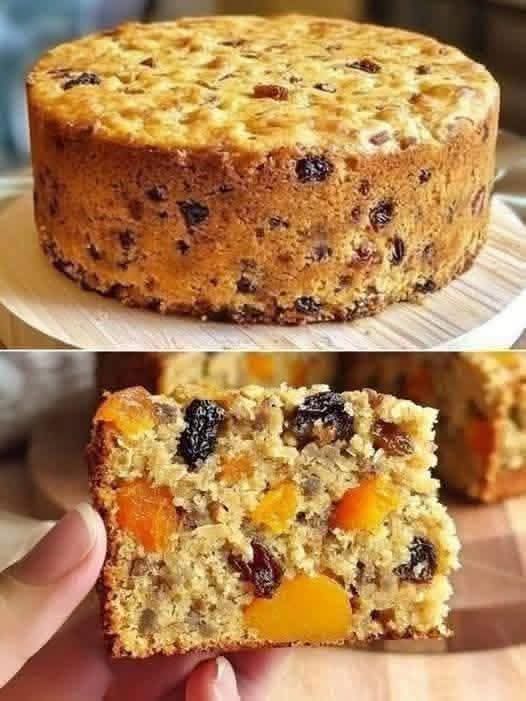
A rich and flavorful Fruit Cake has long been a centerpiece of holiday celebrations, bringing warmth and nostalgia to every table. Packed with dried fruits, nuts, and aromatic spices, this timeless dessert offers a perfect balance of sweetness and texture. Whether you serve it during festive gatherings or enjoy it as an everyday treat, Fruit Cake remains a beloved classic that never loses its charm.
I still remember the first time I tasted a homemade fruit cake during the holidays. The kitchen smelled of cinnamon and citrus, and every slice felt like a celebration. A family friend had baked it days in advance, letting the flavors deepen over time. As we gathered around the table, each bite felt rich, moist, and comforting. Since then, I’ve always associated fruit cake with togetherness, laughter, and those quiet moments that make celebrations truly meaningful.
Choosing the Best Ingredients for Fruit Cake
Selecting Quality Dried Fruits and Nuts
The foundation of a great Fruit Cake lies in its ingredients. Therefore, choosing high-quality dried fruits makes all the difference. Common options include raisins, currants, cherries, apricots, and candied citrus peel. Each adds a unique flavor and texture, so combining several varieties creates a more complex taste.
Meanwhile, nuts such as almonds, walnuts, and pecans add a satisfying crunch. Always opt for fresh, unsalted nuts to maintain balance. If possible, lightly toast them before adding to the batter. This step enhances their flavor and prevents them from becoming soggy during baking.
Additionally, soaking dried fruits in juice or a mild syrup improves moisture and taste. Although traditional recipes often use alcohol, you can easily substitute with orange juice or apple cider for a family-friendly version.
Understanding the Role of Spices and Sweeteners
Spices bring warmth and depth to Fruit Cake. Cinnamon, nutmeg, and cloves create that signature festive aroma. While you can adjust the quantities, maintaining balance ensures the spices do not overpower the fruit.
Equally important, sweeteners like brown sugar or molasses contribute to the cake’s rich color and flavor. Brown sugar adds moisture, while molasses provides a deeper, slightly smoky sweetness. Together, they create a dense yet tender crumb that defines a traditional Fruit Cake.
Preparing and Mixing the Batter
Proper Techniques for a Perfect Texture
To achieve the ideal texture, start by creaming butter and sugar until light and fluffy. This step incorporates air, which helps the cake rise evenly. Then, add eggs one at a time, mixing thoroughly after each addition.
Next, gradually fold in the dry ingredients. Overmixing can lead to a dense cake, so stir gently until just combined. At this stage, incorporate the soaked fruits and nuts, ensuring they distribute evenly throughout the batter.
Additionally, coating fruits lightly in flour before mixing prevents them from sinking to the bottom. This simple trick ensures every slice contains a balanced mix of ingredients.
Balancing Moisture and Density
Fruit Cake should be moist but not overly heavy. Therefore, adding a small amount of liquid, such as milk or juice, helps maintain the right consistency. If the batter feels too thick, adjust with a tablespoon at a time.
Moreover, baking at a low temperature allows the cake to cook evenly without drying out. Slow baking ensures the inside remains soft while the outside develops a beautiful golden crust.

Leave a Reply