







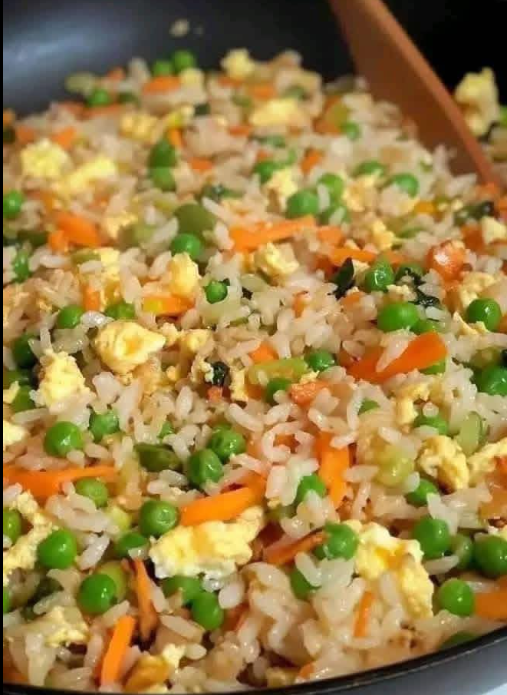
Fried Rice is one of those dishes that proves great food does not need to be complicated. With simple ingredients, high heat, and the right technique, you can turn leftover rice into a satisfying meal that works for breakfast, lunch, or dinner. Fried Rice is loved around the world because it is flexible, comforting, and quick to prepare. Whether served as a main dish or a side, it delivers flavor, texture, and warmth in every bite.
This dish has stood the test of time because it adapts easily to what you already have. A handful of vegetables, a couple of eggs, and cold rice are all it takes to create something delicious. Fried Rice is also a great way to reduce food waste while still cooking something that feels intentional and filling. Once you understand the basics, it becomes a reliable go-to for busy days and last-minute meals.
I first learned to appreciate Fried Rice during evenings when the refrigerator looked nearly empty, yet there was always a container of rice left from the night before. Turning that rice into a hot, savory dish felt like a small victory. The sound of rice hitting the pan, the smell of garlic and soy sauce, and the final toss with eggs and vegetables made the process satisfying every time. Fried Rice became less of a recipe and more of a rhythm, something familiar that never failed to comfort.
The History and Appeal of Fried Rice
A Dish Born From Resourcefulness
Fried Rice originated in China during the Sui Dynasty as a way to reuse leftover rice. Instead of discarding food, cooks learned to revive it with heat, oil, and seasoning. Over time, this practical solution turned into a beloved dish enjoyed across cultures.
Because of its origins, Fried Rice is deeply tied to the idea of making the most of what you have. That mindset is still part of its appeal today. You can adjust ingredients based on availability, season, or preference, and the dish still works beautifully.
Why Fried Rice Is Loved Worldwide
Fried Rice has traveled far beyond its origins, evolving into countless regional variations. From Indonesia’s Nasi Goreng to Thailand’s Khao Pad, each version reflects local flavors while keeping the same core technique.
What makes Fried Rice universal is its balance. It combines soft rice with crisp vegetables, savory seasoning, and rich egg. The contrast of textures and flavors keeps it interesting, even though the ingredients are simple.
Ingredients That Make Fried Rice Successful
The Importance of Day-Old Rice
Cold, day-old rice is the foundation of good Fried Rice. Freshly cooked rice holds too much moisture, which can lead to clumping and steaming instead of frying. When rice sits overnight, the grains dry slightly, allowing them to separate easily in the pan.
Using the right rice texture ensures each grain gets coated with oil and seasoning. This creates the light, fluffy texture that defines well-made Fried Rice.
Vegetables, Eggs, and Seasoning
Vegetables add color, sweetness, and crunch. Peas and carrots are classic choices because they cook quickly and hold their shape. Green onions add freshness at the end.
Eggs provide richness and protein. Scrambling them separately prevents overcooking and keeps their texture soft. Soy sauce adds salt and depth, while sesame oil brings aroma and warmth. Together, these ingredients create the signature flavor of Fried Rice.
Ingredients
Equipment
Method
- Heat 1 tablespoon of oil in a hot wok or skillet. Scramble eggs until just set, then remove and set aside.
- Add another tablespoon of oil. Sauté garlic and onion until fragrant, then add carrots and peas.
- Push vegetables aside, add remaining oil, and add rice. Break up clumps and stir-fry.
- Return eggs and add protein, soy sauce, and sesame oil. Toss until evenly combined.
- Season with salt and pepper. Garnish with green onions and serve hot.
Nutrition
Notes
Tried this recipe?
Let us know how it was!Step-by-Step Guide to Making Fried Rice
Preparing Everything Before Cooking
Fried Rice cooks quickly, so preparation matters. Chop vegetables, beat the eggs, and measure sauces before turning on the heat. Having everything ready prevents overcooking and keeps the process smooth.
High heat is essential. A wok or large skillet allows moisture to evaporate quickly, helping the rice fry instead of steam.
Cooking in the Right Order
Start by scrambling the eggs in hot oil until just set, then remove them from the pan. This keeps them tender. Next, sauté garlic and onion until fragrant, followed by carrots and peas.
Add the rice last, breaking up clumps as it heats. Let it sit briefly against the pan to develop flavor before stirring. Return the eggs, add soy sauce and sesame oil, and toss everything together until evenly coated.
Customizing Fried Rice to Your Taste
Adding Protein and Extras
Fried Rice easily becomes a full meal with added protein. Cooked chicken, shrimp, tofu, or leftover meat work well. Add them toward the end so they heat through without drying out.
Optional ingredients like chili paste, oyster sauce, or nuts can change the flavor profile. Pineapple adds sweetness, while cashews or peanuts add crunch.
Adjusting Flavor and Texture
Season gradually. Soy sauce adds salt, so taste before adding extra seasoning. If the rice seems dry, a small splash of water or broth can help loosen it without making it soggy.
Because Fried Rice is forgiving, small adjustments are easy. This flexibility makes it suitable for beginners and experienced cooks alike.
Serving and Storing Fried Rice
Best Ways to Serve It
Fried Rice is best served hot, straight from the pan. It works well on its own or alongside other dishes. Garnishing with green onions or fresh herbs adds brightness.
Because it is filling and balanced, it can stand alone as a complete meal. It also pairs nicely with simple soups or stir-fried vegetables.
Storage and Reheating Tips
Leftover Fried Rice can be stored in an airtight container in the refrigerator for up to three days. Reheat in a hot pan rather than a microwave to restore texture.
Adding a small amount of oil while reheating helps prevent sticking and refreshes the flavor.
Frequently Asked Questions
Why should rice be cold?
Cold rice fries better and stays separate.
Can I use brown rice?
Yes, it adds a nutty flavor and works well.
Do I need a wok?
A large skillet works fine if it gets hot enough.
Can Fried Rice be vegetarian?
Absolutely, just skip meat and use vegetables or tofu.
How do I avoid soggy rice?
Use high heat and avoid overcrowding the pan.
Conclusion
Fried Rice is a timeless dish that combines simplicity with versatility. With basic ingredients and the right technique, it transforms leftovers into something comforting and flavorful. Whether you keep it classic or customize it with your favorite additions, Fried Rice is a dependable recipe that belongs in every kitchen.
Leave a Reply