





How to get pita bread to puff in the oven
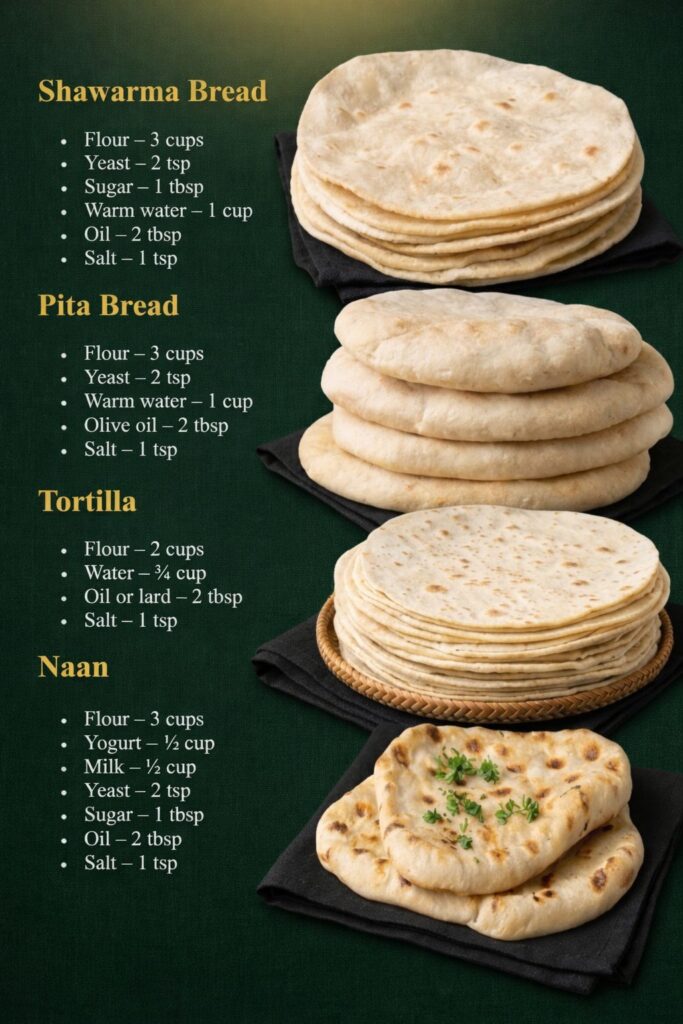
Pita bread feels almost magical when it puffs in the oven. The steam trapped inside creates the pocket, and that pocket makes pita one of the most useful breads in this flatbread collection. The dough uses flour, yeast, warm water, olive oil, and salt. After kneading, it needs about an hour to rest and rise.
The key to puffed pita is high heat. Bake the rolled dough rounds at 475°F for 5 to 7 minutes. That strong heat creates steam fast, and the dough lifts before it can dry out. Also, medium thickness works better than very thin dough. If the dough is too thin, it may crisp before it forms a pocket.
A preheated baking surface helps too. Whether you use a sheet pan or baking stone, heat it first if possible. Then place the dough onto the hot surface and close the oven quickly. This keeps the temperature high and supports puffing.
Even if every pita does not form a perfect pocket, the bread still tastes great. Therefore, do not judge success only by appearance. Slightly flatter pitas still work for dipping, scooping, and serving alongside soups and salads. In fact, homemade pita often tastes better than store-bought pita because it stays soft and fresh without drying out on the shelf.
Tortilla and Naan for Everyday Cooking
How to make tender tortillas on a skillet
Tortilla is the quickest bread in this flatbread collection, which makes it ideal for weeknight cooking. Since the dough has no yeast, you do not need a long rise. You simply mix flour, water, oil or lard, and salt into a soft dough, let it rest for about 20 minutes, then divide and roll it thin.
That short resting period still matters because it relaxes the gluten and makes rolling easier. Without the rest, the dough tends to spring back. Once the rounds are ready, cook them on a hot skillet until bubbles form. Then flip and cook the other side until you see light golden spots.
The secret to soft tortilla is balance. You want enough heat to cook the dough quickly, but not so much that it turns brittle. In addition, avoid overcooking. A tortilla that stays on the pan too long will lose flexibility.
This bread earns a permanent place in any kitchen because it works with so many meals. Use it for wraps, quesadillas, breakfast rolls, or simple buttered snacks. Because the dough is so fast, you can make a fresh batch while the rest of the meal cooks. That makes tortilla one of the most practical recipes in the entire flatbread collection.
How yogurt and milk make naan rich and soft
Naan brings richness to this flatbread collection through yogurt, milk, oil, and yeast. These ingredients create a soft dough with a tender chew and subtle flavor. First, activate the yeast with sugar and warm milk. Then mix in the flour, yogurt, oil, and salt and knead until smooth. After resting for 1 to 1.5 hours, divide the dough and roll it into oval shapes.
You can cook naan on a hot pan or bake it at 475°F until golden. Both methods work, though a hot pan gives a more rustic, charred finish. Because naan is slightly thicker than tortilla, it develops a satisfying bite while still staying soft.
Yogurt adds moisture and tenderness, while milk enriches the dough and helps browning. As a result, naan tastes a little more luxurious than simpler flatbreads. It pairs naturally with curries, grilled meats, lentils, and creamy dips. Yet it also works as a pizza-style base or a side for soups.
Brush warm naan with a little melted butter or oil after cooking if you want extra softness. You can also add minced garlic or chopped herbs. Still, plain naan remains wonderfully versatile and complements many meals without overpowering them.
Tips for Dough, Rolling, and Cooking Success
Best kneading, resting, and shaping tips
A successful flatbread collection starts with dough that feels soft, smooth, and easy to handle. If the dough feels dry, add a little water. If it feels too sticky, dust in a little more flour. Make small adjustments rather than large ones. That way, you keep the dough balanced.
Kneading should develop structure but not create a stiff dough. Usually, a few minutes of steady kneading is enough for these recipes. You want a smooth surface and a supple texture. Then let the dough rest as directed. Resting improves texture, makes shaping easier, and often produces better final results.
When dividing dough, aim for even portions so the breads cook at the same rate. Use a rolling pin, but do not worry about perfect circles. Slight differences in shape do not hurt the bread. In fact, homemade flatbreads often look better when they are slightly rustic.
Flour the surface lightly while rolling. Too much flour can dry the dough, while too little can make it stick. Therefore, use only what you need. Also, keep rolled rounds covered while you work so they do not dry out before cooking.
Pan heat, oven heat, and storage tips
Heat makes or breaks a flatbread collection. A pan that is not hot enough can leave the bread pale and dense. An oven that is not fully preheated may stop pita from puffing. So always give your cooking surface time to reach the proper temperature.
For skillet breads, test the pan with one dough round first. If the bread cooks too slowly, raise the heat slightly. If it scorches before cooking through, lower the heat a bit. With practice, you will quickly find the sweet spot.
After cooking, stack flatbreads and cover them with a clean towel. This traps steam and keeps them soft. If you leave them uncovered, they can dry out fast. Once cooled, store them in an airtight container or bag. Refrigerate for a few days or freeze for longer storage.
To reheat, use a dry skillet, a low oven, or a brief microwave warming wrapped in a towel. Since these breads are homemade, they respond well to gentle reheating and often taste nearly fresh again. That is why this flatbread collection works so well for repeat meals throughout the week.
Serving Ideas and Easy Ways to Use This Flatbread Collection
Pair each bread with the right meal
This flatbread collection becomes even more useful when you match each bread to the right type of meal. Shawarma bread works best for wraps and handheld sandwiches because it bends easily around generous fillings. Pita bread suits stuffed lunches, mezze platters, and side servings for soups or salads. Tortilla fits fast meals like breakfast wraps, tacos, and quesadillas. Naan shines beside saucy dishes and rich dips.
This simple pairing strategy helps you get more from the same core pantry ingredients. Instead of making random bread, you can make the bread that supports your meal best. Therefore, dinner feels more intentional, even when the ingredients stay simple.
You can also use these breads creatively. Turn naan into flatbread pizza. Slice pita into wedges and toast it into chips. Use tortilla for pinwheels or lunchbox wraps. Fill shawarma bread with grilled vegetables and cheese for a quick vegetarian meal. The possibilities keep growing once you build confidence.
Build confidence with small batches and repeat practice
The easiest way to master a flatbread collection is to make one recipe at a time and repeat it. Start with tortilla if you want speed. Start with naan if you want softness and rich flavor. Start with pita if you want the fun of oven puffing. Start with shawarma bread if you need a reliable wrap.
Every batch teaches you something valuable. You learn how soft dough should feel, how hot your pan should be, and how quickly each bread cooks. Because of that, progress happens naturally. You do not need advanced baking skills. You just need a little repetition and a willingness to learn from each round.
Soon, fresh bread stops feeling like a special project and starts feeling like a normal part of home cooking. That is the real beauty of this flatbread collection. It gives you practical recipes you can return to often, and it turns basic ingredients into something warm, useful, and deeply satisfying.
FAQ
1. Which bread is easiest for beginners?
Tortilla is usually the easiest because it does not require yeast or a long rise. It mixes quickly, rests briefly, and cooks fast on a skillet.
2. Why did my pita bread not puff?
Pita often fails to puff when the oven or baking surface is not hot enough. Also, dough that is rolled too thin may not create enough steam for a pocket.
3. Can I make these flatbreads ahead of time?
Yes. You can cook them ahead, cool them completely, and store them in an airtight container. They also freeze well for later use.
4. How do I keep flatbreads soft after cooking?
Stack them immediately and cover them with a clean towel. This helps trap steam and prevents the breads from drying out.
5. Can I use whole wheat flour instead of all-purpose flour?
Yes, but the texture may become denser. For the softest result, replace only part of the all-purpose flour with whole wheat flour.
Conclusion
This flatbread collection makes homemade bread feel simple, practical, and worth repeating. With shawarma bread, pita bread, tortilla, and naan, you can cover wraps, pockets, skillet breads, and rich dinner sides with confidence. Each recipe uses familiar ingredients, and each one teaches a skill you can build on. Once you start making flatbread at home, you will see how easy it is to bring fresh, warm bread to the table any day of the week.
Leave a Reply