




Introduction
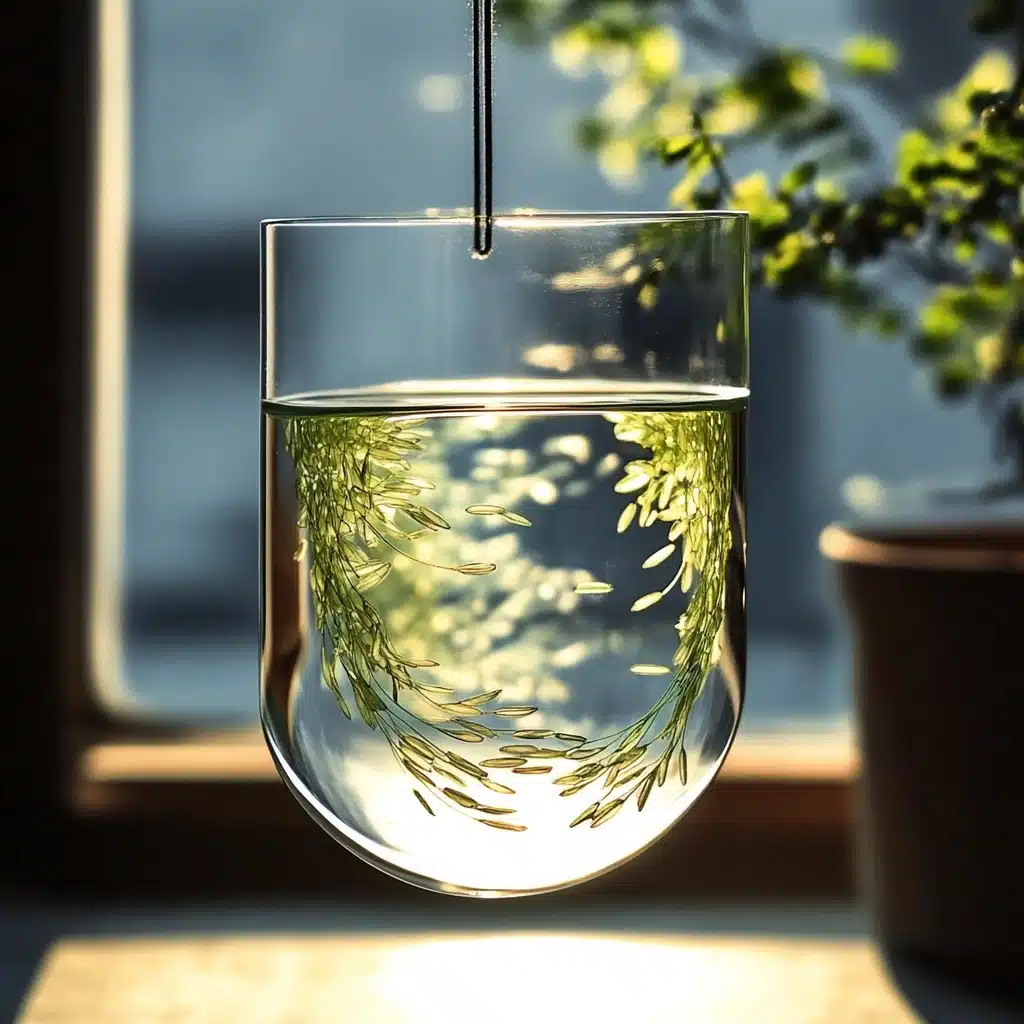
Looking for a simple, captivating science experiment that sparks curiosity and wonder right in your own kitchen? The Dancing Rice Experiment is a delightful and engaging activity that brings science to life in a way that’s fun for kids, families, and learners of all ages. By combining common household ingredients like rice, vinegar, baking soda, and water, you create a mesmerizing display of rice grains “dancing” and moving up and down as if by magic. This experiment not only entertains but also introduces fundamental scientific concepts such as chemical reactions, buoyancy, and gas release in a hands-on, memorable way. Whether you’re a parent searching for educational activities, a teacher looking for classroom demonstrations, or simply someone who loves fun DIY projects, this experiment promises hours of awe and learning.
Why You’ll Love This Experiment
What sets the Dancing Rice Experiment apart is its simplicity combined with an eye-catching effect. Unlike complex science projects requiring specialized materials, this experiment uses ingredients you probably already have at home. It invites kids to get involved, offering an opportunity for hands-on exploration that’s both visual and interactive. Watching rice grains bounce, float, and sink repeatedly encourages kids to ask questions about how and why this happens, igniting their curiosity and fostering a love for science.
Additionally, it’s highly customizable. Add food coloring for vibrant visuals, adjust the quantities for varying effects, or turn it into a colorful art-meets-science project. This experiment perfectly blends fun and education, making it a fantastic way to engage young minds while spending quality time together.
Ingredients
To perform the Dancing Rice Experiment, you’ll need just a few simple ingredients:
- 1 cup of water — the liquid base in which the reaction takes place.
- 1 teaspoon of baking soda — a mild base that reacts with vinegar to produce carbon dioxide gas.
- 1 tablespoon of vinegar — an acid that triggers the bubbling reaction with baking soda.
- A handful of uncooked rice — the stars of the show that will “dance” due to the carbon dioxide bubbles attaching to them.
- Food coloring (optional) — to add a colorful and visually appealing twist to the experiment.
Necessary Tools
In addition to the ingredients, having the right tools helps make the experiment easy and safe:
- A clear glass or plastic container (such as a tall glass or jar) to observe the rice clearly.
- A stirring spoon or stick to dissolve the baking soda.
- Measuring spoons and cups for accurate ingredient amounts.
- Paper towels or cloth for clean-up.
Ingredient Swaps and Additions
Want to experiment further? Here are some ingredient swaps and additions to customize the project:
- Baking soda alternative: Baking powder can sometimes be used, but the reaction may not be as strong.
- Vinegar alternatives: Lemon juice or other mild acids can create a similar, though gentler, effect.
- Rice substitute: Small pasta shapes, popcorn kernels, or even dried beans can be used to observe the same dancing effect.
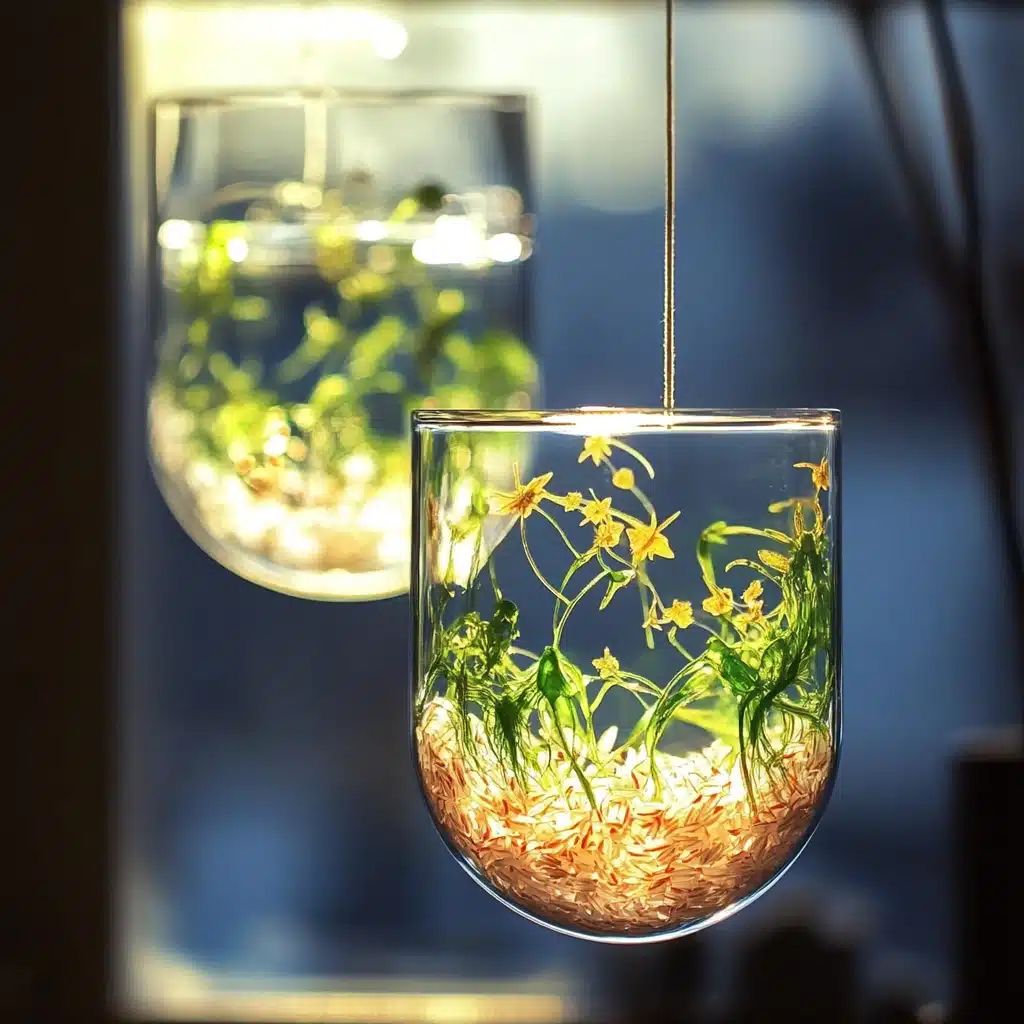
- Enhanced visuals: Adding multiple colors of food dye or even glitter can make the dancing rice experiment even more magical.
- Container choices: Try different container shapes and sizes to see how the movement of rice changes.
Step-by-Step Instructions
Step 1: Prepare the Water and Baking Soda Solution
Pour 1 cup of water into your clear container. Stir in 1 teaspoon of baking soda until it completely dissolves. Make sure no powder remains settled at the bottom.
Step 2: Add the Rice
Add a handful of uncooked rice to the solution. The rice grains will initially sink to the bottom.
Step 3: Pour in the Vinegar Slowly
Slowly pour 1 tablespoon of vinegar into the container. Almost immediately, you’ll notice bubbles forming on the rice grains.
Step 4: Watch the Rice Dance!
The bubbles of carbon dioxide gas attach to the rice grains, causing them to rise to the surface. When the bubbles pop at the top, the rice sinks again. This continuous cycle creates the “dancing” effect.
Step 5: Keep the Fun Going
If the reaction slows down, add a little more vinegar or baking soda to restart the dance. Add food coloring before step 3 for colorful dancing rice.
Pro Tips for Success
- Use warm water to help baking soda dissolve faster and kickstart the reaction.
- Add vinegar slowly to prevent overflow from bubbling.
- Stir gently after adding vinegar if you want the reaction to be more uniform.
- Clear containers allow the best view of the dancing rice—avoid opaque vessels.
- Experiment with different amounts of ingredients to see how the reaction changes.
Serving Suggestions
While this experiment isn’t edible, it’s great for:
- Classroom demonstrations — a fun and visual way to teach kids about acids, bases, and gas production.
- Family science nights — create themed activities around chemistry and physics.
- Birthday parties — a safe, interactive activity that captivates children.
- Art projects — combine the dancing rice with food coloring and photography to create vibrant images.
- Sensory play — the sight of moving rice can be calming and mesmerizing.
Storing and Reheating
Since this is a science experiment rather than food, storing and reheating don’t apply. However:
- Dispose of the mixture safely after use—pour it down the drain with plenty of water.
- Rinse your container thoroughly for next use.

FAQs
Q1: Why does the rice dance?
A: The rice grains have bubbles of carbon dioxide gas from the reaction between baking soda and vinegar sticking to them, making them buoyant and causing them to rise. When bubbles pop at the surface, the rice sinks again, creating a dancing motion.
Q2: Can I use cooked rice?
A: No, cooked rice is too dense and won’t float well in the solution.
Q3: Is this experiment safe for kids?
A: Yes! The ingredients are common household items and generally safe, but adult supervision is recommended, especially for younger children.
Q4: How long does the dancing last?
A: Typically, the reaction lasts a few minutes but can be extended by adding more vinegar or baking soda.
Q5: Can I use other acids instead of vinegar?
A: Yes, lemon juice or citric acid solutions will work but might produce a gentler reaction.
Conclusion
The Dancing Rice Experiment is a captivating, simple, and educational activity that perfectly blends science with fun. It encourages curiosity and exploration while requiring minimal supplies, making it an accessible and memorable experience for all ages. Try it today and watch your kitchen come alive with dancing rice and wonder!
Leave a Reply