




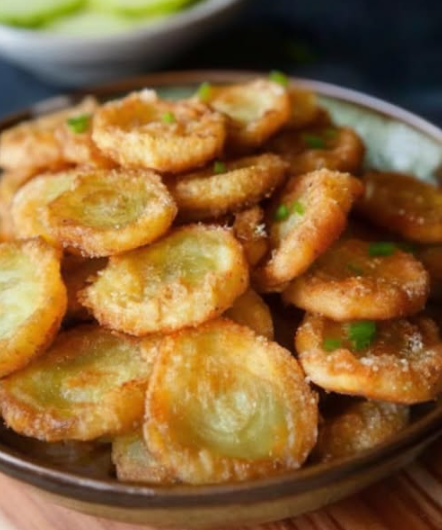
Crispy Fried Pickle Chips are the kind of appetizer that disappears the moment they hit the table. Salty, tangy pickles wrapped in a golden, crunchy coating deliver that perfect contrast people crave. Whether served for game day, casual gatherings, or a simple snack night, these fried pickle chips bring bold flavor with very little effort. When done right, they stay crisp on the outside and juicy inside, never soggy or greasy.
This recipe focuses on technique as much as ingredients. From drying the pickles properly to choosing the right binder and frying temperature, each step plays a role in achieving that restaurant-style crunch. Because the coating is well seasoned and balanced, these chips taste complete even before you dip them. Still, a good sauce takes them to the next level.
Crispy Fried Pickle Chips also offer flexibility. You can keep them classic with buttermilk, go extra crunchy with an egg wash, or make them dairy-free with a simple plant-based option. No matter the route, the method stays approachable and reliable, even for first-time fryers.
I first started making fried pickle chips after ordering them repeatedly at diners and sports bars. They always sounded simple, yet the texture at home never quite matched what I remembered. Some batches turned soggy, others greasy. After a few adjustments, everything clicked. Drying the pickles thoroughly and letting the coating set before frying made all the difference. Once I nailed that balance, these chips became a regular request, especially whenever friends came over and wanted something snacky but satisfying.
Why Crispy Fried Pickle Chips Work So Well
The contrast that makes them irresistible
Crispy Fried Pickle Chips succeed because they lean into contrast. The coating is crunchy and well seasoned, while the pickle inside stays cool, juicy, and tangy. That balance keeps each bite exciting rather than heavy.
Because pickle chips are thin and uniform, they fry quickly and evenly. This quick cook time prevents the coating from absorbing excess oil. As a result, the finished chips feel crisp rather than greasy.
Simple ingredients with big payoff
This recipe uses pantry staples, yet the result feels special. Flour forms a light crust that browns beautifully. Garlic powder, paprika, and onion powder add warmth and depth without overpowering the pickles. Salt and black pepper sharpen the flavor and bring everything together.
The binder, whether buttermilk or egg wash, helps the coating adhere while adding subtle richness. Each ingredient has a clear purpose, which is why the final result tastes balanced and intentional.
Choosing the Right Pickles and Preparing Them Properly
Why dill pickle chips work best
Dill pickle chips are ideal for frying because their acidity balances the richness of the coating. Their flat shape creates more surface area for crunch, while their thickness ensures they stay juicy.
Avoid bread-and-butter pickles for this recipe. Their sweetness can clash with the savory coating and throw off the balance. Stick with classic dill for the best result.
Drying is the most important step
Proper drying is what separates crispy fried pickle chips from soggy ones. Pickles hold a lot of moisture, which can prevent the coating from sticking and cause splattering in hot oil.
After draining the pickles, pat them thoroughly with paper towels. Do not rush this step. Chilling them afterward helps the coating adhere better and keeps the pickles firm during frying.
Ingredients
Equipment
Method
- Drain pickle chips and pat completely dry. Chill while preparing coating.
- Mix flour, garlic powder, paprika, onion powder, salt, and pepper in a shallow bowl.
- Dip pickle chips into binder, then coat in seasoned flour. Let rest briefly on a rack.
- Heat oil to 350°F and fry pickles in batches until golden and crisp.
- Drain on a rack, season lightly with salt, and serve immediately.
Nutrition
Notes
Tried this recipe?
Let us know how it was!Building the Perfect Crunchy Coating
Seasoning the flour for full flavor
The flour mixture is more than just a coating. It is where much of the flavor lives. Garlic powder adds savory depth. Paprika brings warmth and color. Onion powder rounds out the seasoning, while salt and pepper sharpen everything.
Mix the dry ingredients thoroughly so the seasoning distributes evenly. This step ensures every chip tastes consistent from first bite to last.
Choosing the best binder for your needs
The binder determines texture and richness. Buttermilk creates a classic coating with slight tang and tenderness. Egg wash delivers extra crunch and a more substantial crust. For a dairy-free option, almond milk with vinegar mimics buttermilk’s acidity and works surprisingly well.
No matter which binder you choose, let excess drip off before coating in flour. This keeps the crust light rather than heavy.
Step-by-Step Technique for Crispy Results
Dredging with intention
When dredging, work in batches and keep one hand for wet ingredients and one for dry. This prevents clumping and keeps the coating light. Press the flour gently onto each pickle chip so it adheres without forming thick patches.
For extra crunch, double-dip the pickles. After the first flour coating, dip again in the binder, then return to the flour. This creates a thicker crust that fries up extra crisp.
Letting the coating set
Once coated, place the pickle chips on a wire rack for a few minutes before frying. This short rest allows the flour to hydrate slightly and cling better. Skipping this step often leads to coating that falls off in the oil.
While the coating sets, heat the oil to the proper temperature. Starting with hot oil ensures immediate crisping rather than oil absorption.
Frying to Golden Perfection
Oil temperature matters
Heat about half an inch of oil to 350°F. Too cool, and the pickles absorb oil. Too hot, and the coating browns before the inside warms. Maintaining steady heat keeps the chips evenly golden.
Fry in small batches to avoid crowding. Overcrowding lowers the oil temperature and leads to uneven cooking.
Timing and draining
Pickle chips fry quickly, usually one to two minutes per side. Watch for a deep golden color and visible crisp edges. Once done, transfer them to a wire rack or paper towels to drain excess oil.
Sprinkle with flaky salt while hot. This final touch enhances flavor and helps the seasoning stick.
Serving Ideas That Make Them Even Better
Classic and creative dipping sauces
Crispy Fried Pickle Chips pair beautifully with creamy sauces. Ranch dressing is the traditional choice and offers cool contrast. Spicy aioli adds heat and richness, while remoulade brings a bold, tangy kick.
Serve sauces on the side so guests can choose their favorite. This flexibility makes the dish feel interactive and fun.
How to serve for different occasions
These pickle chips work as a standalone appetizer or as part of a larger spread. Serve them alongside burgers, sandwiches, or barbecue. They also fit well on appetizer platters with wings or sliders.
For best texture, serve immediately. While they can be reheated, they are at their crispiest right out of the oil.
Common Mistakes and How to Avoid Them
Soggy coating
Soggy chips usually come from wet pickles or oil that is not hot enough. Drying thoroughly and monitoring oil temperature solves this issue.
Coating falling off
If the coating slips, it often means the pickles were too wet or the coating did not set. Letting the coated chips rest before frying makes a big difference.
Frequently Asked Questions
Can I make these ahead of time?
They are best fresh, but you can prep the pickles and coating ahead and fry just before serving.
Can I bake or air fry them?
Yes, though frying delivers the crispiest result. Baking or air frying produces a lighter crunch.
What oil works best?
Vegetable, canola, or peanut oil all work well due to their high smoke points.
Can I use pickle spears instead of chips?
You can, but chips fry more evenly and stay crispier.
How do I keep them warm for a crowd?
Hold them on a wire rack in a low oven until ready to serve.
Conclusion
Crispy Fried Pickle Chips prove that simple ingredients and good technique can create unforgettable flavor. With a crunchy coating, tangy center, and endless dipping options, they deliver comfort and excitement in every bite. Once you master the method, this recipe becomes a reliable favorite you will turn to whenever you want a snack that truly satisfies.
Leave a Reply