







Ciabatta Bread is one of the most iconic Italian loaves, instantly recognizable by its flat shape, crisp crust, and beautifully open crumb. Light yet chewy, this bread feels rustic and elegant at the same time. Ciabatta Bread is perfect for sandwiches, panini, dipping into olive oil, or serving alongside soups and salads. Despite its bakery-style appearance, ciabatta can absolutely be made at home with patience, gentle handling, and a respect for high-hydration dough.
What makes Ciabatta Bread special is its texture. The inside is full of irregular holes, soft and elastic, while the outside bakes into a golden, crackly crust. This contrast is the hallmark of a well-made ciabatta. Although the dough is wetter than most breads, that hydration is exactly what creates the signature crumb. Once you understand the process, Ciabatta Bread becomes a rewarding and repeatable bake.
I first baked Ciabatta Bread during a time when I wanted to slow down and truly enjoy the bread-making process. Mixing the dough, waiting through long fermentation, and gently folding instead of kneading felt calming. When the loaves finally came out of the oven, crackling as they cooled, slicing into them revealed the open crumb I had hoped for. That moment made all the patience worth it, and Ciabatta Bread quickly became a favorite to bake and share.
What Makes Ciabatta Bread Unique
A High-Hydration Dough
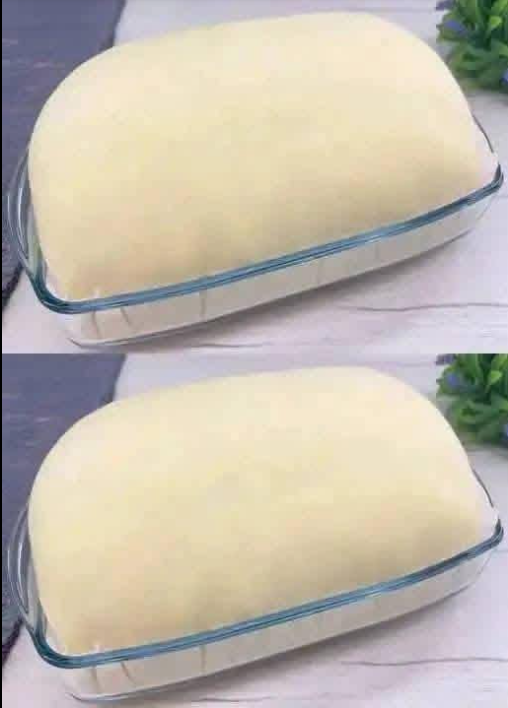
Ciabatta Bread is defined by its high water content. Compared to traditional sandwich bread, this dough is much wetter and stickier. That extra hydration allows steam to form inside the loaf during baking, which creates large, irregular air pockets.
Working with wet dough can feel challenging at first. However, instead of kneading aggressively, ciabatta relies on gentle folding. These folds strengthen gluten without knocking out the air. Over time, the dough becomes elastic, bubbly, and full of life.
A Bread Designed for Texture
Unlike loaves that aim for uniform slices, Ciabatta Bread celebrates irregularity. Each slice looks slightly different, with holes of varying sizes. This texture makes it ideal for soaking up olive oil, sauces, or sandwich fillings.
The crust also plays a major role. Baked at high heat with steam, it becomes crisp and deeply flavored while protecting the soft interior. Together, the crust and crumb create the balance that makes Ciabatta Bread so satisfying.
The Italian Roots of Ciabatta Bread
A Modern Italian Classic
Although Ciabatta Bread feels ancient, it was actually developed in Italy in the early 1980s, specifically in the Lombardy region. Italian bakers created it in response to the popularity of French baguettes. They wanted a bread that could compete while still reflecting Italian baking traditions.
The name “ciabatta” means “slipper,” referring to the bread’s flat, elongated shape. Despite its relatively recent origin, Ciabatta Bread quickly spread beyond Italy and became a staple worldwide.
Why It Became So Popular
Ciabatta Bread gained popularity because it was versatile and visually appealing. Its rustic look fit well with artisanal baking trends, while its texture made it perfect for sandwiches and restaurant service.
Today, Ciabatta Bread is found everywhere from home kitchens to professional bakeries. Its popularity comes from both its flavor and the satisfaction of mastering its technique.
Ingredients That Create Authentic Ciabatta Bread
Flour, Water, and Yeast
Ciabatta Bread uses simple ingredients, but precision matters. All-purpose flour works well, providing enough strength to support the wet dough. Water at room temperature keeps fermentation steady and controlled.
Yeast drives the rise, while salt strengthens gluten and enhances flavor. Olive oil adds subtle richness and improves the dough’s extensibility without weighing it down.
The Role of the Biga
A key component of Ciabatta Bread is the biga, or pre-ferment. Made the day before, the biga develops flavor and structure through slow fermentation. This step adds depth and complexity that cannot be achieved with a single-day dough.
The biga also helps improve the final crumb, giving Ciabatta Bread its signature chew and aroma.
Ingredients
Equipment
Method
- Prepare the biga by mixing 100 g flour, 100 ml water, and a pinch of yeast. Cover and ferment 12–16 hours.
- Mix remaining flour, salt, yeast, and biga. Gradually add remaining water to form a wet dough.
- Cover and rest dough for 30 minutes to allow hydration.
- Add olive oil and perform gentle stretch and folds. Repeat folds every 30 minutes for 3 hours.
- Preheat oven to 475°F (245°C) with a baking stone and steam pan.
- Turn dough onto floured surface, divide, shape gently, and rest 30–45 minutes.
- Bake for 20–25 minutes until golden and hollow-sounding. Cool completely before slicing.
Nutrition
Notes
Tried this recipe?
Let us know how it was!Step-by-Step Guide to Making Ciabatta Bread
Preparing the Biga
Start by mixing a small portion of flour, water, and a pinch of yeast. The mixture will look shaggy and rough. Cover it and let it ferment at room temperature for 12 to 16 hours.
By the next day, the biga should be bubbly and fragrant. This pre-ferment provides the foundation for flavor and structure in Ciabatta Bread.
Mixing the Final Dough
Combine the remaining flour, salt, yeast, and biga in a large bowl. Gradually add water while mixing. The dough will be very wet and sticky, which is expected.
After mixing, let the dough rest for about 30 minutes. This autolyse period allows the flour to hydrate fully and begins gluten development without effort.
Folding Instead of Kneading
After resting, add olive oil and gently fold it into the dough. Over the next few hours, perform several sets of stretch and folds. Each fold strengthens the dough while preserving air.
Between folds, let the dough rest. As time passes, it will become smoother, more elastic, and visibly bubbly. This slow development is essential for Ciabatta Bread.
Shaping and Baking Ciabatta Bread
Gentle Shaping
Once the dough has risen, turn it out onto a heavily floured surface. Divide it carefully without pressing out the air. Shape each portion into a loose rectangle rather than a tight loaf.
Dust with flour and allow the dough to rest briefly. This final rest relaxes the gluten and prepares the dough for baking.
High Heat and Steam
Bake Ciabatta Bread at very high heat. A baking stone or preheated sheet helps deliver strong oven spring. Steam during the first part of baking keeps the crust flexible so the loaf can expand fully.
After 20 to 25 minutes, the bread should be golden brown and sound hollow when tapped. Allow it to cool completely before slicing to preserve the crumb.
Serving and Storing Ciabatta Bread
How to Enjoy It
Ciabatta Bread shines when served simply. Slice it and dip into olive oil, use it for sandwiches, or serve it alongside soups and salads. Its open crumb absorbs flavors beautifully.
Toasting enhances the crust and adds extra crunch, making it perfect for bruschetta or panini.
Storage Tips
Ciabatta Bread is best enjoyed the day it is baked. However, it can be stored at room temperature, loosely wrapped, for up to one day.
For longer storage, freeze the loaf once cooled. Reheat in the oven to restore its crust and texture.
Frequently Asked Questions
Why is ciabatta dough so wet?
High hydration creates the airy, open crumb.
Can I skip the biga?
You can, but flavor and texture will be reduced.
Do I need a baking stone?
It helps, but a preheated baking sheet works.
Why avoid kneading?
Gentle folding preserves air bubbles.
Can I make smaller loaves?
Yes, just divide the dough carefully.
Conclusion
Ciabatta Bread is a beautiful example of how simple ingredients and thoughtful technique create extraordinary results. With its crisp crust, airy crumb, and deep flavor, it offers both challenge and reward. Whether you bake it for sandwiches, sharing, or the joy of bread-making itself, Ciabatta Bread is a recipe worth mastering.
Leave a Reply