







Ciabatta bread is one of those recipes that instantly makes your kitchen feel like an old-world Italian bakery. With its crisp golden crust, open airy crumb, and mild yet deeply developed flavor, ciabatta bread has earned its place as a staple for sandwiches, dipping, and everyday meals. Although it looks impressively rustic, ciabatta bread is absolutely achievable at home when you understand the process and respect the dough.
This ciabatta bread recipe focuses on simplicity, patience, and technique rather than complexity. While the dough is wetter than most beginner breads, that high hydration is exactly what gives ciabatta bread its signature holes and chewy interior. Once you experience the satisfaction of slicing into a loaf and seeing that beautiful crumb, you’ll understand why ciabatta bread is so beloved.
There was a time when bread baking felt intimidating to me, especially recipes like ciabatta bread that rely on feel rather than strict structure. However, after one slow afternoon spent folding dough and letting time do the work, I realized how calming the process could be. Watching the dough transform from a sticky mass into a living, airy structure felt almost magical. Since then, ciabatta bread has become a recipe I return to whenever I want something grounding and rewarding. The smell alone makes the effort worthwhile.
What Makes Ciabatta Bread Unique
High Hydration and Open Crumb
Ciabatta bread is defined by its high water content. This hydration allows the gluten network to stretch rather than tighten, creating large, irregular air pockets throughout the loaf. As a result, ciabatta bread feels light yet chewy, with a texture that absorbs olive oil, sauces, and spreads beautifully.
Because of this, ciabatta bread dough looks looser than traditional sandwich bread dough. Instead of kneading aggressively, gentle folding builds strength while preserving air. Although it may feel unfamiliar at first, this method is essential for achieving authentic ciabatta bread.
Rustic Shape and Natural Character
Unlike tightly shaped loaves, ciabatta bread embraces imperfection. Its flattened, slipper-like shape gives the bread its name and its charm. Rather than forcing symmetry, you allow the dough to settle naturally. Consequently, every loaf of ciabatta bread is slightly different, which adds to its artisanal appeal.
The Importance of the Biga
Flavor Through Fermentation
A traditional ciabatta bread recipe uses a pre-ferment called a biga. This simple mixture of flour, water, and a small amount of yeast ferments overnight. During that time, natural enzymes break down starches and develop complex flavors.
Because of this extended fermentation, ciabatta bread has a depth of flavor that far exceeds its simple ingredient list. Even though the biga requires planning ahead, it dramatically improves both taste and texture.
Structure and Strength
In addition to flavor, the biga strengthens the dough. When incorporated into the final mix, it gives the wet dough enough structure to hold gas during baking. This balance between extensibility and strength is what allows ciabatta bread to rise beautifully in the oven without collapsing.
Ingredients
Equipment
Method
- Mix flour, water, and yeast for the biga. Cover and ferment at room temperature for 12–16 hours.
- Combine remaining flour, salt, yeast, biga, and water. Mix until a wet dough forms.
- Rest dough for 30 minutes, then fold in olive oil using gentle stretch-and-fold motions.
- Let dough rise for 3 hours, performing stretch and folds every 30 minutes for the first 90 minutes.
- Divide dough, shape gently, rest, then bake at 475°F (245°C) for 20–25 minutes until golden.
Nutrition
Notes
Tried this recipe?
Let us know how it was!Working with Wet Dough Successfully
Embrace Folding Instead of Kneading
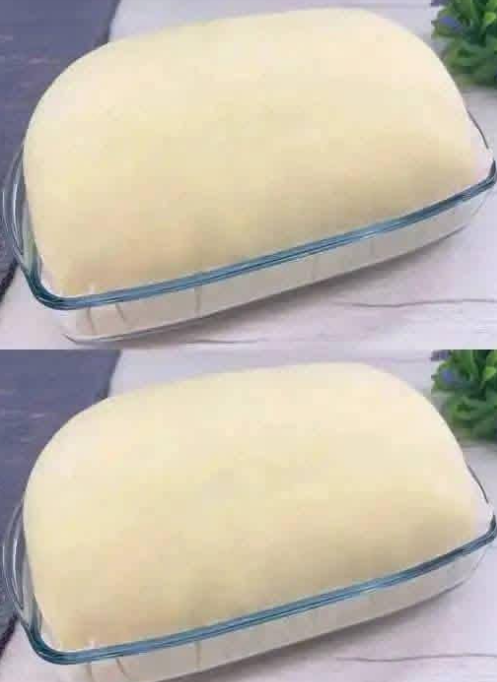
Ciabatta bread dough is too wet for traditional kneading. Instead, you rely on stretch-and-fold techniques. These folds gently align gluten strands while keeping air inside the dough.
Each fold builds strength, and with every rest period, the dough becomes more elastic. Although it may feel sticky at first, resist the urge to add extra flour. Trust the process, and the dough will reward you.
Time Is Your Best Ingredient
Ciabatta bread improves with patience. Resting periods allow the flour to fully hydrate and the yeast to work slowly. As a result, the dough becomes easier to handle over time.
Because of this, ciabatta bread is less about effort and more about timing. If you allow the dough to rest when it needs to, the final loaf will reflect that care.
Baking for the Perfect Crust
Steam Creates Crispness
One of the defining features of ciabatta bread is its thin, crisp crust. Steam in the oven during the first few minutes of baking keeps the surface flexible, allowing the bread to expand fully. Once the steam dissipates, the crust sets and turns golden.
Using a pan of hot water in the oven or baking on a preheated stone helps recreate bakery conditions at home. This step makes a noticeable difference in the final result.
High Heat Matters
Ciabatta bread benefits from a hot oven. Baking at a high temperature ensures rapid oven spring, which helps create those signature holes. Additionally, the heat caramelizes the crust, adding both color and flavor.
How to Use Ciabatta Bread
Perfect for Sandwiches
Ciabatta bread is famous for sandwiches, especially panini. Its sturdy crust holds fillings well, while the airy interior absorbs flavors without becoming soggy. Whether filled with grilled vegetables, meats, or cheese, ciabatta bread elevates even simple sandwiches.
Ideal for Dipping and Toasting
Fresh slices of ciabatta bread paired with olive oil, balsamic vinegar, or soup make an effortless appetizer. It also toasts beautifully, making it ideal for bruschetta or garlic bread.
Common Ciabatta Bread Questions
Why is my ciabatta bread flat?
Ciabatta bread spreads more than it rises. However, underproofing or weak gluten development can cause excessive flattening. Proper folding and fermentation help prevent this.
Can I make ciabatta bread without a biga?
Yes, but the flavor and structure will be less developed. While possible, using a biga produces a far better loaf.
Is sticky dough normal?
Absolutely. Ciabatta bread dough should feel wet and tacky. Adding too much flour will change the texture.
How do I store ciabatta bread?
Store at room temperature wrapped loosely for one day. For longer storage, freeze slices and reheat as needed.
Can I use ciabatta bread for toast?
Yes. It toasts exceptionally well and maintains a crisp exterior with a tender interior.
Conclusion
Ciabatta bread is a reminder that great baking doesn’t require complicated ingredients, only understanding and patience. Its rustic appearance, airy crumb, and crisp crust make it endlessly versatile and deeply satisfying. Once you master the rhythm of folding, resting, and baking, ciabatta bread becomes a recipe you’ll return to again and again. Whether enjoyed fresh, toasted, or dipped, homemade ciabatta bread brings the heart of Italian baking straight to your table.
Leave a Reply