


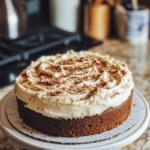






Cheese Bread Recipe lovers know there is nothing quite like warm, freshly baked bread filled with melty cheese. This Cheese Bread Recipe delivers exactly that comfort, with a soft interior, lightly crisp exterior, and rich cheesy flavor in every bite. Whether you serve it for breakfast, brunch, or a cozy snack, this bread feels satisfying, homemade, and wonderfully indulgent without being complicated.
I first made this Cheese Bread Recipe on a quiet morning when breakfast needed to feel special but still simple. I had flour, yeast, butter, and a block of cheese waiting in the fridge. As the dough rose, the kitchen slowly filled with that unmistakable yeasty aroma. Once baked, the bread came out golden and warm, with cheese stretching gently as it was torn apart. Since then, this recipe has become a regular favorite whenever we want something comforting and freshly baked to start the day.

Why This Cheese Bread Recipe Works So Well
Soft Dough With Reliable Rise
This Cheese Bread Recipe starts with a yeast-based dough that is easy to handle and forgiving. Warm water, sugar, and yeast work together to create a strong rise, while melted butter keeps the crumb soft and tender. Because the dough is well-hydrated, it bakes up light rather than dense, which is exactly what you want in a breakfast bread.
Cheese That Melts Beautifully
Cheddar, mozzarella, or a blend of cheeses works perfectly in this Cheese Bread Recipe. The cheese melts into the surface and partially into the bread, creating pockets of flavor without weighing the dough down. This balance keeps the bread fluffy while still delivering that rich, cheesy taste.
Understanding the Dough
Activating the Yeast Correctly
Yeast activation is the foundation of a successful Cheese Bread Recipe. Mixing warm water with sugar and yeast wakes the yeast and starts fermentation. When the mixture becomes foamy, it signals that the yeast is active and ready to work. This step ensures the dough rises properly and develops good structure.
Mixing and Kneading for Structure
Combining the yeast mixture with flour, salt, and melted butter creates a smooth, elastic dough. Kneading for about ten minutes develops gluten, which gives the bread strength and chew. A well-kneaded dough feels soft and slightly springy, setting the stage for an even rise and tender crumb.
Letting the Dough Rise
Creating the Right Environment
Placing the dough in a greased bowl and covering it allows it to rise without drying out. A warm spot encourages yeast activity, helping the dough double in size within about an hour. This rise gives the Cheese Bread Recipe its light, airy texture.
Knowing When It’s Ready
The dough is ready when it has doubled and slowly springs back when pressed. Watching the dough rather than the clock helps avoid under- or over-proofing, which can affect texture and flavor.
Shaping and Preparing the Bread
Punching Down and Shaping
Punching down the dough releases excess air and redistributes the yeast. Shaping it into a round or oblong loaf gives the bread structure and makes it easy to bake evenly. At this stage, the dough should feel relaxed and easy to shape.
Adding the Cheese
Sprinkling grated cheese evenly over the top allows it to melt and brown beautifully. For a more dramatic cheese pull, some cheese can be folded into the dough before shaping. Both methods work well in this Cheese Bread Recipe, depending on your preference.
Ingredients
Equipment
Method
- Mix warm water, yeast, and sugar. Let sit until foamy.
- Combine flour and salt. Add yeast mixture and melted butter. Knead until smooth.
- Place dough in greased bowl, cover, and let rise until doubled.
- Shape dough, sprinkle with cheese, and brush with egg wash if using.
- Bake at 375°F for 25–30 minutes until golden brown.
Nutrition
Notes
Tried this recipe?
Let us know how it was!Baking the Cheese Bread
Oven Temperature Matters
Baking at 375°F gives the bread enough heat to rise fully while allowing the cheese to melt and turn golden. Too high a temperature would brown the outside too quickly, while too low would prevent proper rise. This balance ensures a soft interior and lightly crisp crust.
Using an Egg Wash for Color
Brushing the bread with a beaten egg before baking adds shine and deep golden color. While optional, this step enhances appearance and gives the Cheese Bread Recipe a bakery-style finish.
Serving Cheese Bread for Breakfast
Simple and Satisfying
This bread tastes wonderful on its own, served warm with butter. The cheese provides enough richness that no extras are needed. However, a drizzle of honey or a spoonful of jam adds a sweet contrast that works surprisingly well.
Building a Full Breakfast
Cheese Bread Recipe slices pair perfectly with scrambled eggs, bacon, or sausage. You can also slice it horizontally to make breakfast sandwiches with eggs and ham. Its sturdy yet soft texture makes it versatile for many morning meals.
Variations to Try
Herb and Garlic Versions
Adding dried herbs like rosemary or thyme to the dough creates a savory twist. Mixing minced garlic into the melted butter and brushing it on top before baking transforms this Cheese Bread Recipe into a garlic-cheese favorite.
Spicy or Hearty Add-Ins
Red pepper flakes, jalapeños, or pepper jack cheese add heat. For a heartier loaf, cooked bacon bits or sautéed vegetables can be folded into the dough before shaping.
Sweet Cheese Bread Option
For a sweeter take, adding extra sugar and cinnamon to the dough creates a lightly sweet bread. Using cream cheese or mascarpone gives a dessert-like version that still feels comforting.
Storage and Reheating Tips
Keeping It Fresh
Once cooled, wrap the bread tightly and store it at room temperature for up to two days. For longer storage, refrigerate or freeze slices in an airtight container.
Reheating for Best Texture
Reheat slices in a toaster or warm oven to restore softness and melt the cheese slightly. Avoid microwaving too long, as it can make the bread chewy.
Frequently Asked Questions
Can I use instant yeast instead of active dry yeast?
Yes, instant yeast works well and can be mixed directly with dry ingredients.
What cheese works best?
Cheddar, mozzarella, or a blend offers great melt and flavor.
Can I make the dough ahead of time?
Yes, the dough can be refrigerated overnight and baked the next day.
Why is my bread dense?
Dense bread usually comes from under-kneading or insufficient rising time.
Can this Cheese Bread Recipe be frozen?
Yes, freeze slices and reheat as needed.
Conclusion
This Cheese Bread Recipe delivers everything you want from homemade bread: softness, flavor, and comforting warmth. With simple ingredients and flexible variations, it fits effortlessly into breakfast or brunch routines. Once you bake it fresh and enjoy that first cheesy bite, this Cheese Bread Recipe quickly becomes a staple you return to again and again.
Leave a Reply