





Introduction
Craving the crispy delight of samosas but trying to eat a bit cleaner? You’re in for a treat. In this article, we’ll explore how to make flavorful baked samosas that are lighter, wholesome, and just as satisfying as the traditional deep-fried version. You’ll discover the ingredients that make them special, why they’re such a cultural favorite, and how this healthier version still brings bold, spicy flavor to the table. We’ll walk you through every step, from preparing the dough to stuffing and baking, and even answer common questions like “Is baked samosa healthy?” and “Why is it called a samosa?”
A Family Twist on the Classic Samosa
Hi there! I’m Julia, the heart and soul behind wigav.com. Growing up, samosas were always a sign of celebration. Whether it was a festival, a family get-together, or just a cozy Sunday, my mom would fry up a golden batch of spicy potato-filled samosas, and the smell would fill the house. But when I started experimenting in my own kitchen, I wanted something a little lighter—something I could enjoy without the post-fry guilt. That’s when I discovered baked samosas. These beauties skip the oil but keep all the flavor, wrapped in a crust that’s flaky, firm, and nourishing thanks to whole wheat and almond flour.
Unlike the traditional deep-fried snack, a baked samosa combines healthy pantry staples like whole wheat flour, almond flour, and just enough oil to keep the dough rich but not greasy. This version doesn’t just cut calories—it adds nutrients and keeps the crisp. And let’s not forget the filling: spicy mashed potatoes, green peas, and paneer come together with ginger, green chilies, and a blend of seeds and warm spices that infuse every bite with flavor. If you’re looking for a feel-good snack or party appetizer, these samosas hit the spot.
On wigav.com, we’ve reimagined other classics too—try our Fluffy Cottage Cheese Cloud Bread or the cozy comfort of Creamy Mushroom Pasta for more delicious inspiration.
What Makes a Baked Samosa Different?
What truly sets baked samosas apart is how they bring together texture, taste, and wellness. Traditional samosas are beloved for their deep golden crust and spice-laden filling—but they’re heavy. Baking reduces the fat without compromising on crispiness. In fact, the crust for these samosas features a trio of flours: whole wheat for fiber, all-purpose for elasticity, and almond flour for a nutty softness.
Let’s talk filling. The heart of any samosa is the masala. Here, we mix boiled potatoes, peas, crumbled paneer, and chopped nuts with warming spices like cumin, coriander, garam masala, and amchur (dry mango powder) for that signature tangy kick. The result? A perfectly spiced interior wrapped in a wholesome crust.
Pair your baked samosas with a cooling mint chutney or tamarind sauce and you’ve got a complete snack. While you’re in the mood for Indian-inspired bites, check out our Double Chocolate Chip Muffins for dessert or make a batch of Hot Chocolate Brownie Crinkle Cookies for cozy winter evenings.
🟫 Dough for Baked Samosa Crust
From Pantry:
- 1 cup Whole Wheat Flour (140g)
- 1 cup All-Purpose Flour (130g)
- ½ cup Almond Flour (50g)
- 4 tablespoons Oil
- ½ cup Water or Milk (adjust as needed)
Spices:
- 1 teaspoon Salt (or to taste)
- 1 teaspoon Carom Seeds (Ajwain)
🟫 Ingredients for Spicy Potato Filling
Produce:
- 200g Potatoes (about 1 cup, boiled & mashed)
- 100g Frozen Peas (½ cup)
- 1 teaspoon Green Chilies (2–3 diced)
- 15g Ginger (1 tablespoon, finely chopped or grated)
- 5g Cilantro (2 tablespoons, chopped)
Dairy:
- 200g Paneer (1 cup, chopped into small cubes)
Pantry & Nuts:
- 40g Mixed Nuts (¼ cup, chopped – use cashews, peanuts, sunflower seeds, or your choice)
- 2 tablespoons Oil
Spices:
- ⅛ teaspoon Asafetida (Hing)
- 1 teaspoon Cumin Seeds
- 1 tablespoon Fennel Seeds
- 1 tablespoon Coriander Seeds (roughly crushed)
- ¼ inch Cinnamon Stick (crushed)
- 5–6 Black Peppercorns (roughly crushed)
- 1 teaspoon Salt
- ½ teaspoon Red Chili Powder or Cayenne
- ½ teaspoon Coriander Powder
- ¼ teaspoon Garam Masala
- 1 tablespoon Dry Mango Powder (Amchur)

How to Make the Perfect Dough & Filling for Baked Samosas
Creating the Crust: A Three-Flour Dough That Works
To make a crust that holds shape, crisps up beautifully, and adds nutrition, this baked samosa recipe blends three flours—whole wheat flour, all-purpose flour, and almond flour. Together, they create a dough that’s firm enough for shaping yet tender once baked.
In a large bowl, combine 1 cup whole wheat flour, 1 cup all-purpose flour, and ½ cup almond flour. Add 1 teaspoon of salt and 1 teaspoon of carom seeds (ajwain), which aid digestion and add a subtle aromatic flavor. Pour in 4 tablespoons of oil and rub it thoroughly into the flour. This step is critical—it takes 3–4 minutes and helps develop the crumbly texture we want.
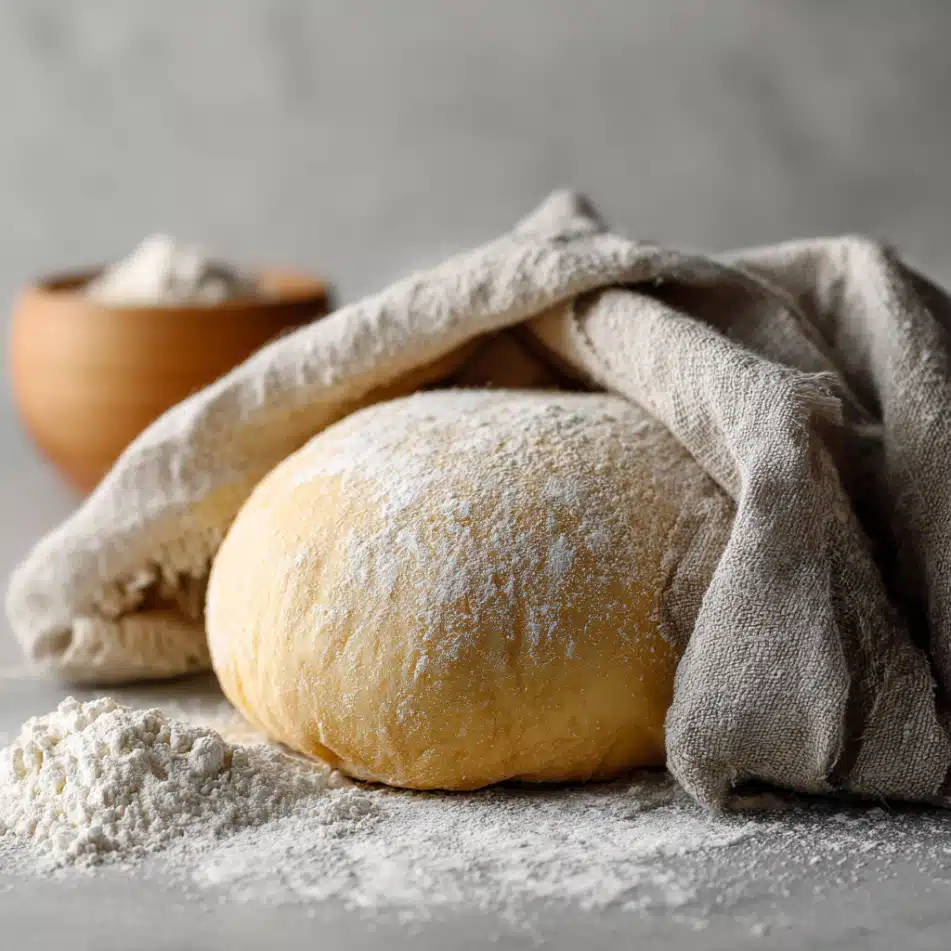
Now, slowly add about ½ cup of water or milk to form a stiff dough. Too soft, and the samosas won’t hold their shape; too dry, and they’ll crack. The trick is to stop adding liquid as soon as the dough comes together. Once done, cover with a moist towel and let it rest while you prepare the filling.
You’ll find this same structure used in other flaky pastries like our Baked Cinnamon Apple Roses—where dough structure matters just as much as flavor.
The Bold, Spicy Potato Filling
By now, your potatoes (about 1 cup boiled and crushed) should be cool. For the filling, heat 2 tablespoons of oil in a pan. Start by blooming spices: a pinch of asafetida (hing), 1 teaspoon cumin seeds, 1 tablespoon fennel seeds, and 1 tablespoon crushed coriander seeds. Add in crushed cinnamon stick, 5–6 black peppercorns, and stir until aromatic.
Now toss in 15 grams chopped ginger, 2–3 green chilies, and ¼ cup chopped mixed nuts. After a minute, mix in the mashed potatoes, 1 cup crumbled paneer, and ½ cup frozen peas. Season with salt, red chili powder, coriander powder, garam masala, and dry mango powder (amchur) for that tangy finish. Stir well until fully combined.
Finally, fold in 2 tablespoons of chopped fresh cilantro. Let the filling cool slightly—it should be warm but not hot when you begin stuffing the samosas.
Craving another Indian-style comfort food? You’ll love our Crispy Baked Potato Skins as a savory, shareable snack!
Shaping, Folding & Baking Baked Samosas Like a Pro
How to Fold the Perfect Baked Samosa
Once your dough has rested and your spicy potato filling has cooled, it’s time to shape the samosas. Divide the dough into five equal portions. Roll each into a ball, then flatten it on a rolling board. Use a rolling pin to roll out the dough into a circle roughly 8–9 inches in diameter. Cut the circle into four triangular sections.
Take one triangle and apply a little water to the curved edge. This helps seal the samosa once filled. Add a tablespoon of filling to the center, being careful not to overstuff—too much filling and the crust may burst while baking.
Now here’s the fold: bring one side of the moistened edge into the center and press it down. Then fold the other side over, creating a cone-like triangle and sealing both edges firmly. Gently pinch the bottom to seal completely. Keep the prepared samosas covered with a kitchen towel to prevent them from drying out while you finish the rest.
This folding method may take a few tries, but once you’ve nailed it, the results look just like your favorite street-side samosas—only lighter and baked! The technique is quite similar to folding our Spiced Apple Hand Pies—another hit that uses a structured fold to hold in flavorful fillings.
Baking Instead of Frying (Healthier, Easier, Cleaner)
Preheat your oven to 350°F. Arrange the shaped samosas on a baking sheet lined with parchment paper. Be sure to leave space between each piece to allow hot air to circulate and crisp them evenly.
Bake for 18 minutes, then carefully flip each samosa and bake for another 6 minutes on the other side. You’re looking for a firm, lightly golden crust with just a hint of browning at the edges. Some ovens may need an extra 2–3 minutes for that perfect crunch, so keep an eye on them.
These samosas come out crisp on the outside and loaded with flavor inside—without a drop of deep frying. They’re light enough to serve as an appetizer but satisfying enough for a meal, especially with chutney or yogurt dip on the side.
Want more healthy baked bites? Try our Baked Jalapeño Poppers—another party favorite made without a fryer.
FAQs, Serving, Storing & What Makes Samosas So Iconic
Serving & Storing Your Baked Samosas
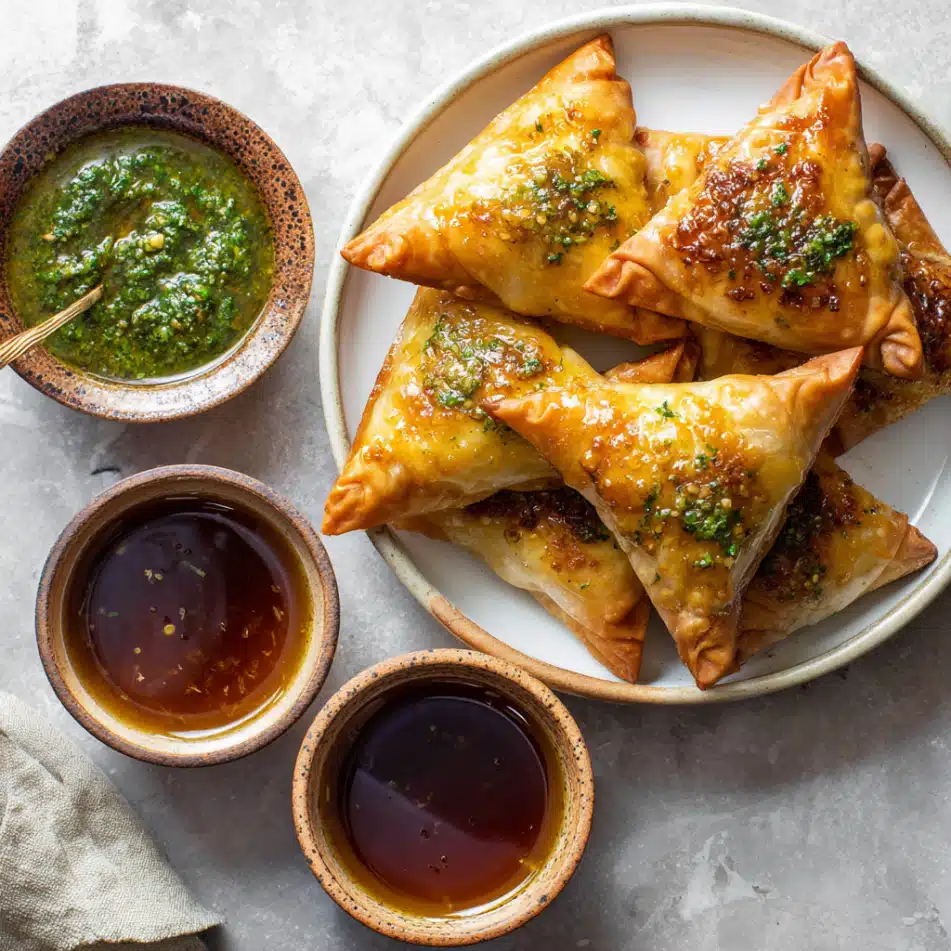
Fresh out of the oven, baked samosas are best served warm. The outer crust stays crisp while the inside remains soft and flavorful. For an elevated snack or starter, pair them with mint chutney, tamarind sauce, or even a cooling yogurt dip. They make a great addition to tea-time spreads or casual gatherings.
Hosting a party? Bake them ahead and store them in an airtight container once cooled. To reheat, simply pop them back in a 350°F oven for 5–6 minutes. You can even freeze unbaked, shaped samosas. When you’re ready to serve, bake them straight from frozen—just add an extra 5 minutes to the baking time.
If you’re building a vegetarian platter, baked samosas pair wonderfully with our Spicy Roasted Cauliflower Bites or Chickpea Spinach Curry.
Conclusion: Why You’ll Keep Coming Back to Baked Samosas
Whether you’re trying to eat cleaner, skip deep frying, or simply looking for a fun way to enjoy bold Indian flavors, baked samosas are the answer. They’re flaky, savory, and filled with a satisfying spicy potato mix that makes every bite addictive. Plus, you can freeze, bake ahead, and even air-fry them for convenience. It’s a recipe rooted in tradition, elevated for modern kitchens. At Wigav Kitchen, we believe healthy food should never be boring—and this baked samosa recipe proves exactly that.
For more inspired flavor, don’t miss our Spicy Roasted Cauliflower Bites or cozy up with our Chickpea Spinach Curry—both are perfect vegetarian pairings.
FAQs About Baked Samosas
What is baked samosa made of?
Baked samosas are made with a crust of whole wheat, all-purpose, and almond flour mixed with oil and carom seeds. The filling includes mashed potatoes, peas, paneer, nuts, ginger, and aromatic spices like cumin, fennel, coriander, garam masala, and dry mango powder (amchur).
Why is samosa special?
Samosas are more than just a snack—they’re a symbol of celebration in many Indian households. Their crispy shell and bold spiced filling make them beloved during festivals, parties, and everyday chai breaks. They blend tradition, flavor, and joy in every bite.
Is baked samosa healthy?
Yes, compared to deep-fried versions, baked samosas are significantly healthier. They’re lower in fat and calories and use wholesome ingredients like whole wheat and almond flour. Plus, baking avoids the mess and grease of frying.
Why are they called samosas?
The name “samosa” is derived from the Persian word sanbosag, which referred to a triangle-shaped pastry. The dish traveled through Central Asia into the Indian subcontinent, where it evolved into the iconic snack we know today.
Leave a Reply