








Soft and fluffy bread is one of those timeless kitchen comforts that never goes out of style. From warm slices slathered with butter to sturdy yet tender sandwich bread, this classic loaf delivers everything home bakers love most: a pillowy crumb, gentle sweetness, and a rich aroma that fills the house as it bakes. If you’ve ever wanted bakery-style bread made right in your own kitchen, this soft and fluffy bread recipe is exactly where to start.
What makes soft and fluffy bread so special is its balance. It’s light without being dry, tender without falling apart, and versatile enough for toast, sandwiches, or simple enjoyment straight from the loaf. With milk, butter, and just the right technique, this recipe creates a loaf that stays soft for days and slices beautifully every time.
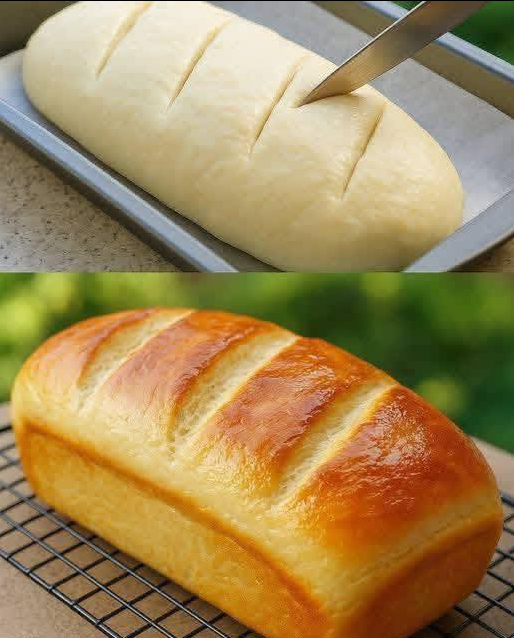
I still remember the first time I baked a loaf of soft and fluffy bread on a quiet afternoon when the house felt unusually still. I wasn’t chasing perfection, just something comforting to pass the time. As the dough rose, the kitchen slowly warmed with that unmistakable yeast-and-butter smell. When the loaf finally came out of the oven, golden and glossy, it felt like a small victory. That first slice, still warm, was soft enough to compress under my fingers and spring right back. Since then, this soft and fluffy bread has become my go-to whenever I want something dependable, cozy, and deeply satisfying.
Why Soft and Fluffy Bread Always Works
Milk and Butter Make the Difference
The secret to truly soft and fluffy bread lies in the enriched dough. Milk adds moisture and tenderness, while butter coats the flour proteins, limiting gluten toughness and creating a delicate crumb. Together, they give this bread its signature softness and subtle richness.
Unlike lean breads made with only water, soft and fluffy bread stays tender longer. Even after a couple of days, slices remain pliable instead of turning dry or crumbly.
A Balanced Dough for Reliable Results
This soft and fluffy bread uses a well-balanced ratio of flour, liquid, fat, and yeast. That balance ensures consistent rise, easy shaping, and dependable oven spring. The dough is soft but manageable, making it beginner-friendly while still producing bakery-quality results.
Because the structure is forgiving, this recipe adapts well whether you knead by hand or use a mixer.
Ingredients That Create Soft and Fluffy Bread
Pantry Staples, Thoughtfully Combined
Soft and fluffy bread doesn’t require fancy ingredients. All-purpose flour provides structure, milk adds tenderness, sugar feeds the yeast and adds mild sweetness, and butter enriches the dough. An egg contributes both flavor and softness, while yeast provides the lift that gives the bread its airy texture.
Each ingredient plays a specific role. When combined properly, they create a loaf that’s greater than the sum of its parts.
The Role of Yeast and Sugar
Sugar not only adds flavor but also feeds the yeast, helping the dough rise efficiently. Active dry yeast, when properly proofed, creates a steady and reliable fermentation that leads to a well-risen loaf with a fine, even crumb.
Taking a few minutes to ensure the yeast is active sets the foundation for success.
How to Make Soft and Fluffy Bread Step by Step
Activating the Yeast
The process begins by warming the milk just enough to activate the yeast without killing it. When mixed with sugar and yeast, the surface should become foamy within minutes. This step confirms that the yeast is alive and ready to work.
Skipping or rushing this step can result in dense bread, so it’s worth taking the time to do it properly.
Mixing the Dough
Once the yeast mixture is ready, it’s combined with flour, salt, butter, and egg. At this stage, the dough will look slightly sticky and rough. That’s normal. As mixing continues, the dough becomes smoother and more cohesive.
The key is not to add too much flour too early. A softer dough leads to softer bread.
Kneading for Structure
Kneading develops gluten, which gives soft and fluffy bread its structure. Whether done by hand or with a mixer, the goal is a smooth, elastic dough that stretches without tearing.
Proper kneading allows the dough to trap air, creating that light, airy interior once baked.
First Rise: Building Flavor and Volume
The first rise is where the dough truly transforms. As yeast ferments, it produces gas that causes the dough to double in size. This stage builds both volume and flavor.
Placing the dough in a warm, draft-free environment ensures consistent rising and prevents uneven texture.
Shaping the Loaf
After the first rise, gently pressing out excess air redistributes the yeast and prepares the dough for shaping. Shaping the dough tightly helps create a uniform loaf with even slices.
Careful shaping also supports a strong second rise, which contributes to oven spring.
Second Rise for Ultimate Softness
The second rise allows the shaped dough to relax and expand again. This step is essential for achieving soft and fluffy bread with a tender crumb.
Rushing the second rise can lead to a dense loaf, while allowing it to rise just above the pan edge creates perfect structure.
Baking to Golden Perfection
Baking soft and fluffy bread at a moderate temperature allows the loaf to cook evenly. The crust turns golden while the interior sets gently, preserving moisture.
A properly baked loaf sounds hollow when tapped and releases easily from the pan.
Ingredients
Equipment
Method
- Mix warm milk and sugar, sprinkle yeast on top, and let sit until foamy.
- Combine flour and salt. Add yeast mixture, egg, and butter. Mix into a dough.
- Knead dough until smooth and elastic, about 8–10 minutes.
- Place dough in greased bowl, cover, and let rise until doubled.
- Punch down dough, shape into a loaf, and place in greased pan.
- Let rise again until just above pan edge.
- Bake at 350°F (175°C) for 25–30 minutes until golden brown.
Nutrition
Notes
Tried this recipe?
Let us know how it was!Tips for Perfect Soft and Fluffy Bread
Don’t Overheat the Milk
Milk that’s too hot can kill yeast. Aim for warm, not hot, to the touch. Around 110°F is ideal.
Use Softened Butter, Not Melted
Softened butter incorporates smoothly into the dough without making it greasy. Melted butter can alter the dough’s structure and affect rise.
Let the Bread Cool Before Slicing
Although tempting, slicing too soon releases steam and can compress the crumb. Allowing the bread to cool ensures the interior sets properly.
Variations on Soft and Fluffy Bread
Soft Dinner Rolls
Divide the dough into smaller portions and bake in a pan for pull-apart rolls that are just as soft and fluffy.
Slightly Sweet Bread
Add an extra tablespoon or two of sugar for a subtly sweeter loaf perfect for breakfast.
Seeded Top
Brush the loaf with milk or egg wash and sprinkle with sesame or poppy seeds before baking for added texture.
When to Serve Soft and Fluffy Bread
Soft and fluffy bread works for nearly any occasion. It’s perfect for sandwiches, toast, French toast, or simply enjoyed with butter and jam. Because it stores well, it’s also ideal for weekly meal prep.
This bread freezes beautifully too. Sliced and frozen, it can be toasted straight from the freezer with excellent results.
Frequently Asked Questions
Can I use bread flour instead of all-purpose flour?
Yes, but the texture will be slightly chewier. All-purpose flour yields a softer crumb.
How long does soft and fluffy bread stay fresh?
Stored properly, it stays soft for up to three days at room temperature.
Can I make this bread without a mixer?
Absolutely. Hand kneading works perfectly.
Can I use instant yeast instead of active dry yeast?
Yes. Skip the proofing step and mix it directly into the dry ingredients.
Why is my bread dense?
Dense bread usually results from under-kneading, insufficient rising time, or inactive yeast.
Conclusion
Soft and fluffy bread is one of the most rewarding things you can bake at home. With simple ingredients, thoughtful technique, and a little patience, you can create a loaf that rivals any bakery. This recipe delivers consistent results, incredible softness, and that unmistakable homemade flavor that makes every slice special. Once you bake this soft and fluffy bread, it’s sure to become a staple in your kitchen.
Leave a Reply