
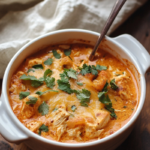






Stuffed Cabbage Rolls are the kind of dish that instantly feels like home. Tender cabbage leaves wrap around a hearty filling of seasoned meat and rice, all slowly cooked in a rich tomato sauce until everything becomes soft, flavorful, and deeply comforting. This recipe has stood the test of time because it delivers warmth, nourishment, and satisfaction in every bite.
What makes Stuffed Cabbage Rolls so special is their balance. The cabbage becomes silky and mild, the filling stays juicy and well-seasoned, and the tomato sauce ties everything together with gentle acidity and richness. Whether served for a family dinner, a holiday gathering, or a quiet weekend meal, this dish always feels appropriate and deeply comforting.
I grew up with stuffed cabbage rolls appearing on the table when the weather turned cooler or when family gathered for long meals. The pot would simmer slowly, filling the kitchen with a familiar aroma that promised something hearty and filling. Rolling the leaves was always a shared task, and the reward came later when the rolls emerged tender and saucy. Even now, making this dish feels grounding. It slows things down and turns simple ingredients into something that feels generous and memorable.

Why Stuffed Cabbage Rolls Are a Timeless Favorite
A Dish Loved Across Cultures
Stuffed Cabbage Rolls appear in many cuisines, each with its own twist. Despite variations, the heart of the dish remains the same. Cabbage leaves hold a savory filling that cooks gently in sauce until everything becomes cohesive and comforting.
This universal appeal comes from the simplicity of the ingredients and the satisfying result. Meat, rice, cabbage, and tomato sauce combine into a meal that feels complete. Because of this, Stuffed Cabbage Rolls continue to appear on tables across generations.
Comfort Through Slow Cooking
One of the reasons Stuffed Cabbage Rolls feel so comforting is the slow cooking process. As the rolls simmer or bake, flavors meld and textures soften. The cabbage absorbs the sauce, the rice cooks perfectly inside the filling, and the meat stays juicy.
This gentle cooking method transforms basic ingredients into something deeply flavorful. It rewards patience and makes the dish ideal for relaxed meals where time is part of the experience.
Preparing the Cabbage the Right Way
Softening the Leaves Without Tearing
The foundation of great Stuffed Cabbage Rolls starts with properly prepared cabbage leaves. Removing the core allows the leaves to loosen as the cabbage boils. Cooking the whole head in salted water softens the leaves evenly.
After boiling, separating the leaves carefully prevents tearing. Cooling them slightly makes them easier to handle. Trimming the thick central vein ensures the leaves roll smoothly without cracking.
This preparation step sets you up for success. Flexible leaves wrap neatly around the filling and cook evenly without falling apart.
Choosing the Best Cabbage
Green cabbage works best for Stuffed Cabbage Rolls because its leaves are sturdy yet tender once cooked. The mild flavor pairs well with savory fillings and tomato sauce.
Choosing a large head ensures leaves are wide enough to hold filling comfortably. Smaller leaves can still be used by adjusting the amount of filling, but larger leaves make rolling easier and more consistent.
Building a Flavorful Filling
The Perfect Balance of Meat and Rice
Stuffed Cabbage Rolls rely on a filling that stays juicy and flavorful throughout cooking. Ground beef works well, while a mix of beef and lamb adds depth. Rice stretches the filling and absorbs flavors from the meat and seasonings.
Using uncooked rice allows it to cook gently inside the rolls, soaking up juices and sauce. This method creates a cohesive texture rather than separate layers.
The ratio matters. Too much rice makes the filling dry, while too much meat can feel heavy. A balanced mixture ensures every bite feels satisfying.
Seasoning That Enhances, Not Overpowers
Onion and garlic form the flavor base of the filling. Finely chopping them ensures even distribution. Olive oil adds richness and helps bind ingredients together.
Spices like paprika and black pepper add warmth, while cumin offers subtle depth if used. Herbs such as parsley or dill brighten the mixture and complement the cabbage’s mild flavor.
Mixing gently keeps the filling tender. Overworking compacts the meat and results in dense rolls. A light touch preserves juiciness.
Ingredients
Equipment
Method
- Remove cabbage core and boil cabbage until leaves soften. Separate leaves and trim thick veins.
- Mix ground meat, rice, onion, garlic, olive oil, salt, pepper, paprika, cumin, and herbs.
- Place filling on each cabbage leaf, fold sides, and roll tightly.
- Arrange rolls seam-side down in a pot or baking dish.
- Mix tomato sauce, paste, olive oil, spices, and water. Pour over rolls.
- Cover and cook on low heat or bake until rolls are tender and cooked through.
Nutrition
Notes
Tried this recipe?
Let us know how it was!Rolling and Assembling the Cabbage Rolls
Technique for Neat, Secure Rolls
Rolling Stuffed Cabbage Rolls becomes easier with practice. Place the filling near the base of the leaf, fold in the sides, then roll tightly but gently. This technique prevents filling from escaping during cooking.
Arranging the rolls seam-side down keeps them secure. Packing them closely in the pot or dish helps them hold shape and cook evenly.
This step is both practical and satisfying. Seeing a pan filled with neatly rolled cabbage feels rewarding before cooking even begins.
Layering for Even Cooking
Placing rolls snugly ensures they do not unravel. If extra leaves remain, lining the bottom of the pot with them adds protection and prevents sticking.
This layering technique helps maintain moisture and encourages even heat distribution, especially during long cooking times.
Creating a Rich Tomato Sauce
Simple Ingredients, Deep Flavor
The tomato sauce for Stuffed Cabbage Rolls stays simple yet flavorful. Tomato sauce and paste create body, while olive oil adds richness. Paprika and black pepper echo the filling’s seasoning.
Adding warm water or broth loosens the sauce and allows it to penetrate the rolls. As it cooks, the sauce thickens slightly and coats everything evenly.
This sauce is meant to complement, not overwhelm. Its gentle acidity balances the richness of the filling and cabbage.
Pouring and Coverage
Pouring the sauce over the rolls until mostly covered ensures even cooking. The rolls should remain moist but not submerged completely. This balance allows the cabbage to soften without becoming waterlogged.
Covering the dish traps steam and helps the rolls cook evenly, whether on the stovetop or in the oven.
Cooking Methods That Work Every Time
Stovetop Simmering
Cooking Stuffed Cabbage Rolls on low heat allows precise control. A gentle simmer prevents burning and encourages slow flavor development. Cooking for 60 to 75 minutes ensures rice cooks through and flavors meld.
Checking occasionally and adjusting heat prevents sticking. This method suits those who enjoy monitoring the process.
Oven Baking for Ease
Baking at 180°C creates even heat without constant attention. Covered rolls bake gently and develop rich flavor. Removing the cover near the end thickens the sauce slightly if desired.
Both methods deliver excellent results. Choosing depends on preference and convenience.
Serving Stuffed Cabbage Rolls
A Complete Meal on One Plate
Stuffed Cabbage Rolls often need little accompaniment. The combination of protein, rice, and vegetables makes them filling on their own. A slice of bread works well to soak up sauce.
Serving hot allows flavors to shine. Letting the rolls rest briefly before serving helps them hold shape.
Garnishing and Presentation
A sprinkle of fresh herbs adds color and freshness. Serving directly from the cooking dish keeps the meal rustic and inviting.
The visual of golden cabbage rolls nestled in tomato sauce always draws attention and appetite.
Storage and Make-Ahead Tips
Even Better the Next Day
Stuffed Cabbage Rolls often taste better after resting. Flavors deepen as they sit, making leftovers especially enjoyable.
Store in an airtight container in the refrigerator for up to three days. Reheat gently to preserve texture.
Freezing for Convenience
These rolls freeze well. Freeze fully cooked rolls in sauce, then thaw overnight before reheating. This option makes meal planning easy.
Common Mistakes to Avoid
Overcooking the Cabbage
Boiling cabbage too long makes leaves fragile. Softening just enough ensures easy rolling without tearing.
Packing Too Much Filling
Overfilling causes rolls to burst. Moderation ensures neat, intact rolls.
Frequently Asked Questions
Can I use brown rice instead of white?
Yes, but it may require longer cooking.
Can I make this recipe without meat?
Yes, substitute lentils or mushrooms for a vegetarian version.
Should the rice be cooked first?
No, uncooked rice cooks inside the rolls.
Can I use canned tomatoes instead of sauce?
Yes, blend them for a smooth consistency.
Do I need to cover the rolls while baking?
Yes, covering keeps them moist.
Conclusion
Stuffed Cabbage Rolls remain a beloved classic for good reason. With tender cabbage, a savory filling, and rich tomato sauce, this dish delivers comfort and satisfaction in every bite. Simple ingredients and thoughtful preparation turn it into a meal that feels generous and timeless. Once you make it, Stuffed Cabbage Rolls easily earn a permanent place in your recipe collection.
Leave a Reply