







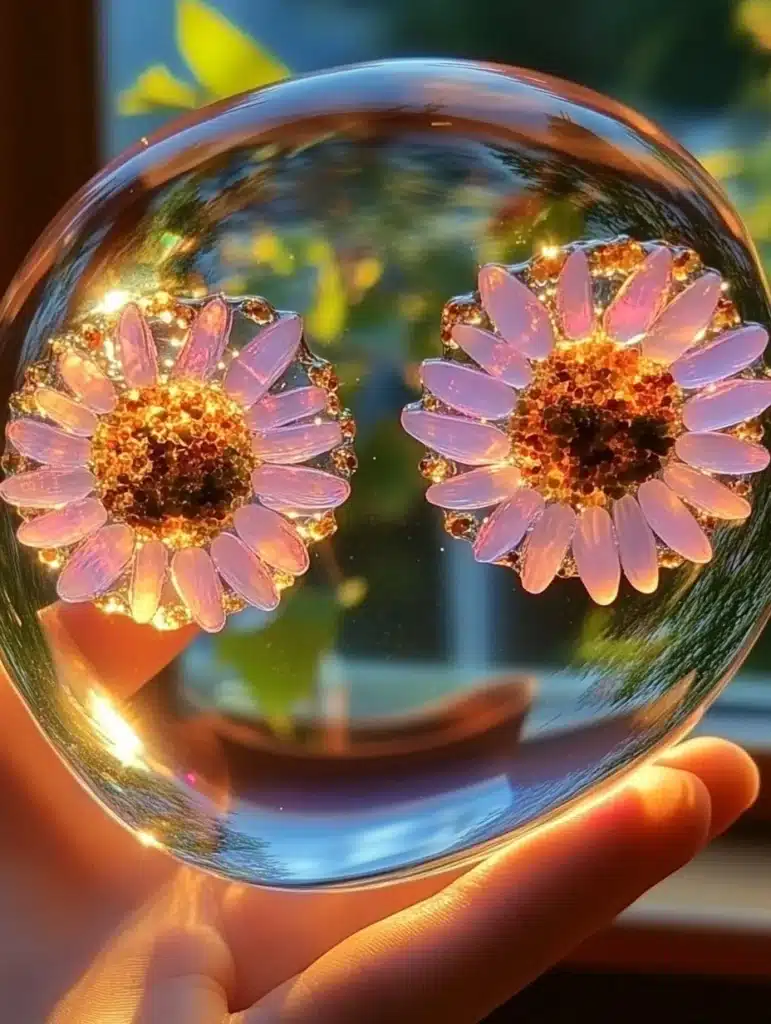
She tucked petals into her book and forgot them—weeks later, they were delicate treasures, ready for something magical.
Whether you’re preserving a bouquet from a special day, collecting wildflowers, or prepping for a resin art project, learning how to dry flowers properly is essential. Dried flowers hold their beauty and shape, making them perfect for home decor, handmade gifts, pressed art, and embedded resin keepsakes.
This guide covers four popular flower-drying methods—air drying, silica gel, microwave drying, and pressing—plus tips for sealing and prepping your flowers for resin or craft use.
🌸 Why Dry Flowers?
Drying flowers allows you to:
- Preserve memories from weddings, birthdays, or garden blooms.
- Create long-lasting art with a natural aesthetic.
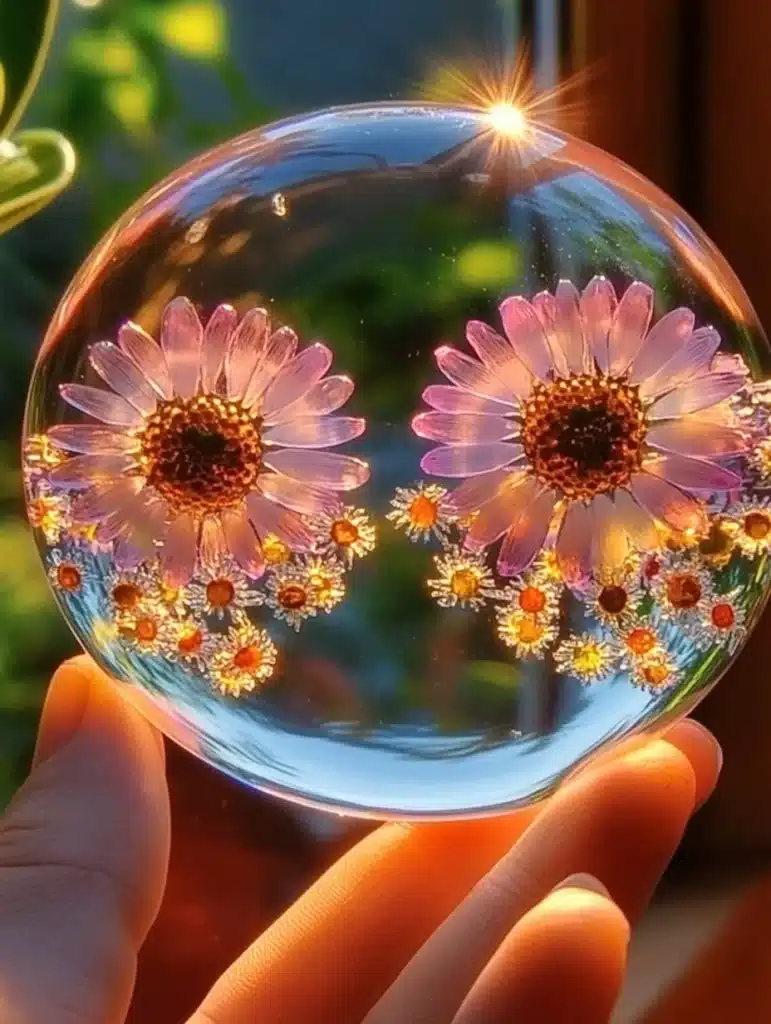
- Incorporate real botanicals into resin jewelry and decor.
- Reduce waste by reusing petals and stems.
✂️ Supplies You’ll Need
- Fresh flowers (roses, daisies, pansies, lavender, etc.)
- String or twine
- Scissors or pruning shears
- Silica gel crystals
- Airtight container or microwave-safe dish
- Parchment or blotting paper
- Heavy books or a flower press
- Paintbrush (for dusting)
- Optional: clear varnish or hairspray for sealing
🌬️ Air Drying Method
Best For:
Roses, lavender, eucalyptus, baby’s breath, statice
How-To:
- Remove excess foliage from stems.
- Tie 3–5 flower stems together with string.
- Hang upside down in a cool, dry, and dark space.
- Leave undisturbed for 1–3 weeks, depending on humidity and flower type.
- Check that petals are dry and papery before using.
Tips:
- Avoid kitchens, bathrooms, or laundry rooms due to moisture.
- Use a closet or cupboard with good airflow.
🧂 Silica Gel Method
Best For:
Delicate flowers like pansies, gerbera daisies, ranunculus, and orchids
How-To:
- Pour a base layer of silica gel crystals into a container.
- Place flowers face-up on the surface.
- Gently pour more silica gel to cover petals completely.
- Seal the container with a lid.
- Let sit for 1–2 weeks.
- Remove flowers gently and brush off excess crystals.
Tips:
- Wear gloves if you have sensitive skin.
- Save and reuse silica crystals—just dry them out after use.
🔥 Microwave with Silica Gel
Best For:
Quick drying of flat or delicate flowers
How-To:
- Fill a microwave-safe container with silica gel and nestle flowers inside.
- Microwave in 30-second intervals on medium power.
- Check frequently to prevent scorching.
- Let the container sit with the lid cracked for 24 hours after microwaving.
- Remove and gently clean dried flowers.
Tips:
- Do not use metal containers.
- Always let flowers cool completely before handling.
📚 Pressing Flowers
Best For:
Flat flowers or petals—pansies, violets, ferns, and leaves
How-To:
- Lay flowers between two sheets of parchment paper.
- Place in a heavy book or a flower press.
- Weigh down with other books or use press clamps.
- Leave for 1–2 weeks.
Tips:
- Use blotting paper instead of tissue paper (tissue can stick).
- Speed up drying with a microwave flower press.
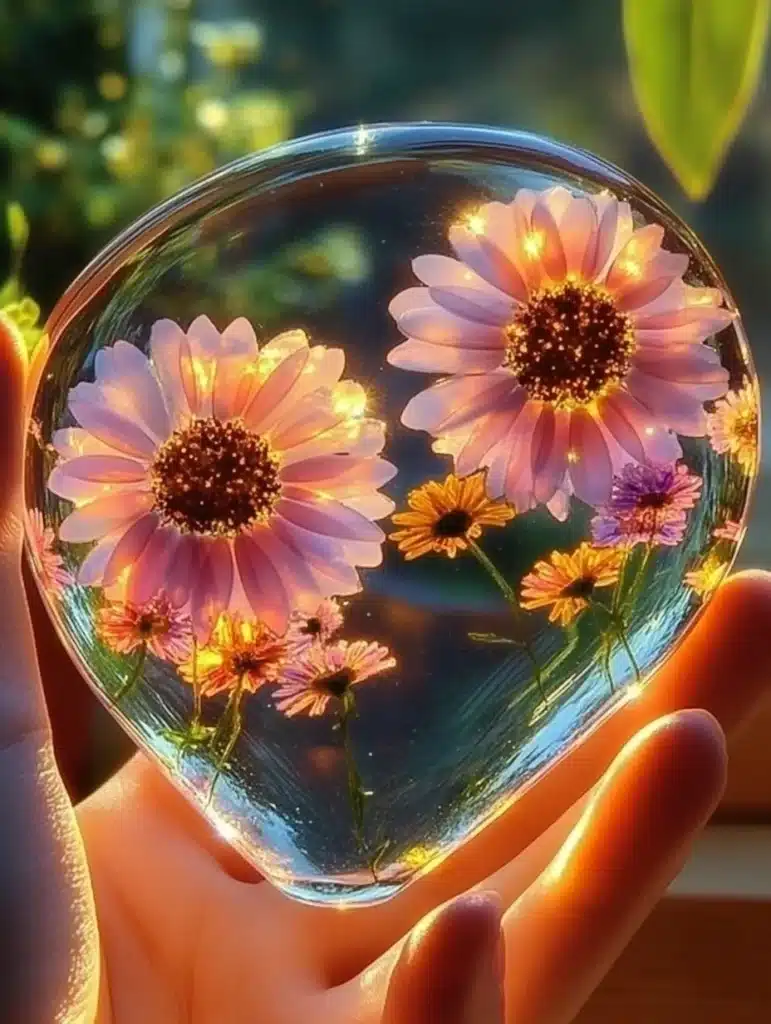
🎨 Prepping Dried Flowers for Resin Art
Step 1: Ensure Complete Dryness
Any moisture left in flowers can cause bubbles or mold in resin. Make sure your dried flowers feel crisp and brittle before use.
Step 2: Seal the Color
To preserve vibrancy and avoid bleeding:
- Lightly mist with clear varnish or artist’s fixative.
- Let dry fully before embedding in resin.
Step 3: Trim and Arrange
Use fine scissors to remove stems or trim edges. Test your layout before pouring resin to make sure everything fits and stays in place.
💡 Creative Uses for Dried Flowers
- Resin jewelry (pendants, earrings, rings)
- Pressed flower bookmarks and cards
- DIY candles or wax sachets
- Decorative trays and coasters
- Scrapbooking and journaling
- Shadow boxes and framed art
🧼 Storage Tips
- Store unused dried flowers in an airtight container with silica packets.
- Keep them in a cool, dark place to prevent fading.
- Avoid humidity and direct sunlight.
💬 FAQs
Q: Can I dry flowers that are already wilting?
A: Fresh is best. Wilted flowers may brown or decay during drying.
Q: Do all flowers dry well?
A: Not all. Some, like tulips or lilies, retain too much moisture and may rot.
Q: How long do dried flowers last?
A: With proper care, dried flowers can last 1–3 years, though their color may fade over time.
Q: Is hairspray a good sealant?
A: Yes, it works in a pinch to prevent crumbling or color loss.
Q: Can I use an oven or dehydrator?
A: Yes, but it’s easy to over-dry or burn them. Stick to low heat and monitor closely.
📝 Final Thoughts
Drying flowers is both an art and a science—a slow, thoughtful way to preserve nature’s beauty. Whether you’re crafting, making resin art, or saving sentimental blooms, mastering these methods will open up endless creative possibilities.
So gather your petals, prep your press, and let the magic of dried flowers bloom in your next handmade creation.
Leave a Reply