



Introduction
Looking for a creative, simple, and educational art activity that kids adore? Enter Sugar Water Painting for Kids—a delightful twist on traditional watercolors that combines art, texture, and science all in one fun project! With just sugar, water, and color, your little artists can create glossy, sparkling paintings while exploring sensory and STEAM learning in a playful way.
Ideal for rainy afternoons, preschool projects, summer camps, or classroom creativity, this activity is budget-friendly, non-toxic, and perfect for fostering imagination and fine motor skills.
In this comprehensive guide, you’ll find everything you need—from step-by-step instructions and educational insights to tips for success and SEO strategies to rank your content high with Rank Math.
What Is Sugar Water Painting for Kids?
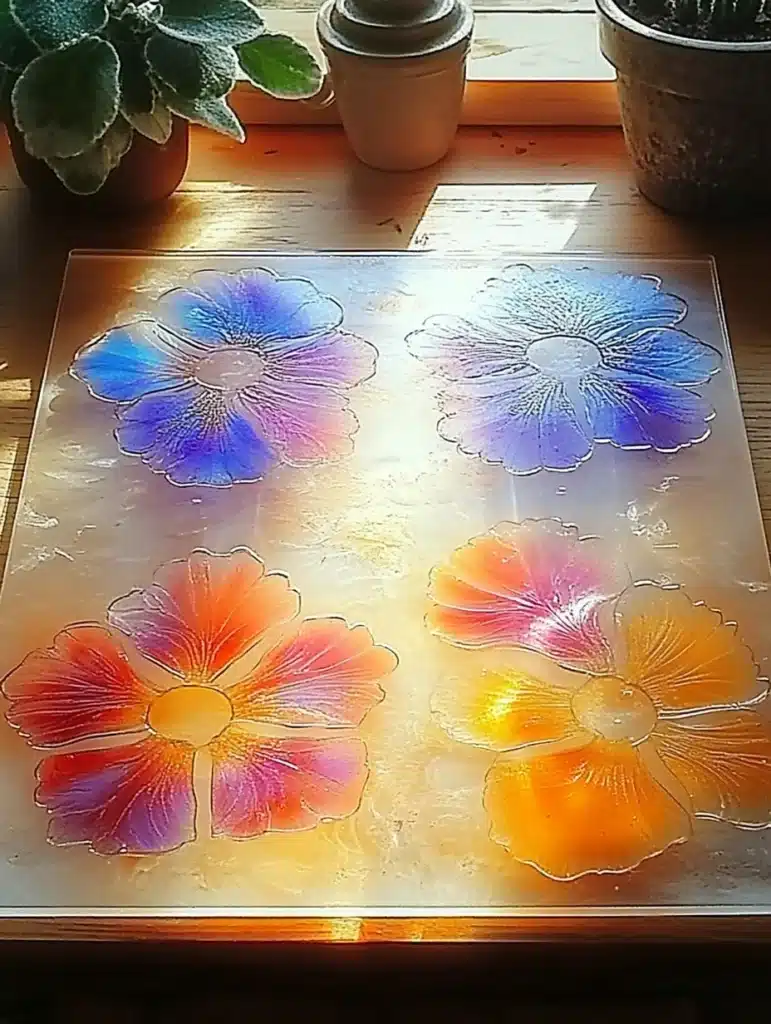
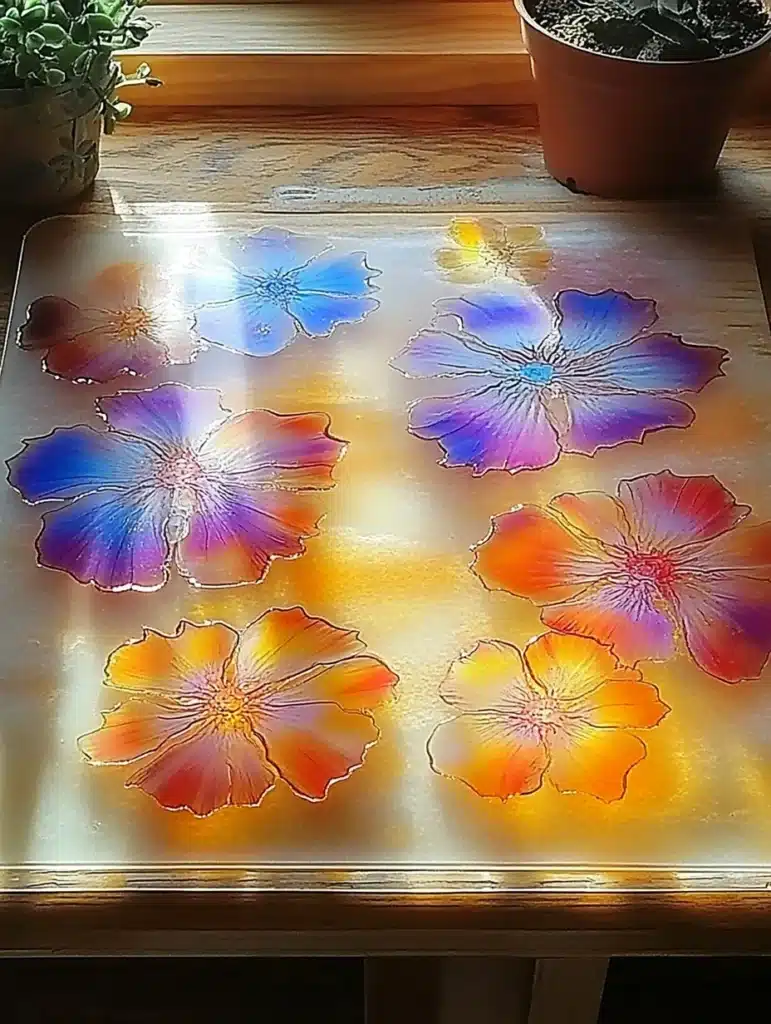
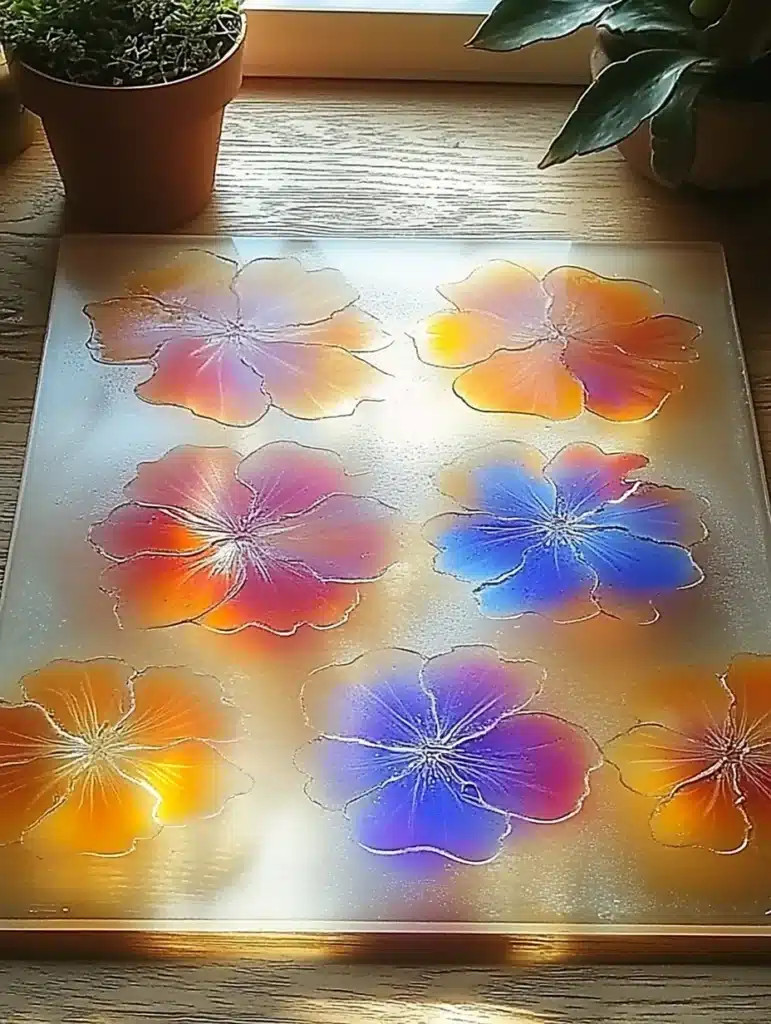
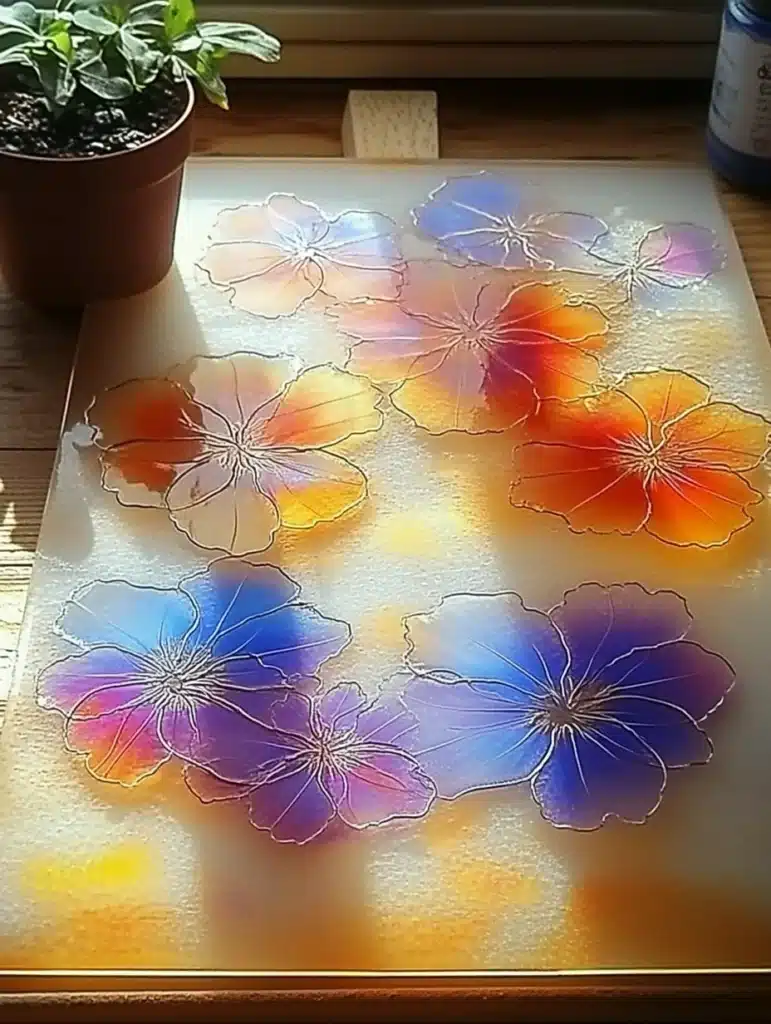
Sugar Water Painting for Kids is a process art activity that uses a simple sugar solution as a base or “glaze” for watercolor or food-color-based painting. As the sugar dries, it creates a raised, glossy texture that makes the finished artwork sparkle, shimmer, and come alive—perfect for tactile and visual exploration!
Why Kids (and Parents) Love It
🎨 Sensory-Rich Experience
Children explore color, texture, and touch, making it a sensory-rich paint activity.
✋ Builds Fine Motor Skills
Painting within lines, mixing colors, and handling brushes strengthen developing dexterity.
💡 Teaches Natural Science
Kids witness crystallization and chemical changes—an early introduction to STEAM concepts.
🌱 Simple & Eco-Friendly
With edible, non-toxic ingredients, it’s safe, cost-effective, and easy to clean up.
🖼️ Creative & Customizable
From secret message art (with white crayon) to full rainbow masterpieces, customization is endless!
Supplies You’ll Need
| Item | Purpose |
|---|---|
| 1/4 cup sugar | Creates the glossy “magic glaze” |
| 1/4 cup warm water | Dissolves sugar to make the glaze |
| Watercolor paints or food coloring | Adds vibrant color to the glaze |
| Paintbrushes | For applying glaze and color |
| Thick paper or cardstock (90–110 lb) | Supports wet paint without warping |
| White crayon | Optional: for secret designs |
| Apron or drop cloth | Keeps clothes and surfaces mess-free |
Step-by-Step Instructions
Step 1: Prepare Your Workspace
Protect your crafting area with newspaper or a drop cloth. Use an apron or old clothes, as colors may stain.
Step 2: Make the Sugar Glaze
In a small bowl, mix 1/4 cup sugar with 1/4 cup warm water. Stir until fully dissolved to create your “magic glaze.”
Step 3: Create Secret Messages (Optional)
Use a white crayon on the paper to draw shapes, write words, or make patterns. These will appear magically once painted over.
Step 4: First Coat of Sugar Glaze
Lightly paint the paper with the sugar solution. This glaze provides texture and shine for the colors to cling to.
Step 5: Color Over the Glaze
Paint over the glaze while it’s still wet using watercolor paints or food coloring. Experiment with blending and layering for vibrant effects.
Step 6: Let It Dry
Allow the artwork to air dry for several hours. The sugar glaze will create a raised, shiny texture and enhance colors.
Step 7: Optional Extra Texture
Add a second layer of glaze or sprinkle decorative sugar once the painting is dry for an added sensory dimension.
Step 8: Dry, Display & Enjoy!
Once fully dry, display the paintings on the fridge or in a window. The light will bounce off the glossy, textured surface beautifully.
Learning & Development Benefits
🎨 Art & Creativity
Encourages color blending, secret messages, and experimentation with form and texture.
🧠 Early STEM Learning
Observations about crystallization, evaporation, and chemical changes introduce basic science at a young age.
✋ Fine Motor Development
Painting and stirring support muscle control and coordination.
🗣️ Language & Literacy
Discuss colors, textures, and science vocabulary—great for expanding descriptive language.
💖 Emotional Expression & Calm
Art is a proven way for children to relax, express themselves, and build confidence.
Variations & Extensions
- Glitter Sugar Paint: Add a pinch of biodegradable glitter to the glaze for shimmer.
- Scented Paint: Use flavored drink mix instead of food coloring for scented artwork.
- Seasonal Themes: Use colored glazes for holiday-specific art (e.g., orange and black for Halloween, reds and greens for Christmas).
- Collaborative Mural: Have multiple children contribute to a large communal painting.
- Secret Message Surprises: Use invisible ink (e.g., lemon juice) under glaze for discovery-themed art.
Safety & Clean-Up Tips
- All materials are non-toxic and kitchen-safe. Edible, but not coin janity—use as art only.
- Use paper or cloth to protect surfaces; washing hands afterward is recommended.
- For easy clean-up, use warm soapy water on brushes and containers.
Rank Math SEO Optimization Tips
To maximize discoverability and achieve a 100/100 Rank Math SEO score, include the following elements:
✅ Focus Keyword: Sugar Water Painting for Kids
- Present in H1 title, slug/URL, first paragraph, and sprinkled throughout subheadings and body text.
✅ Secondary Keywords
- Integrated naturally within headers and content.
✅ Meta Description:
“Discover how to do sugar water painting for kids—an easy, sensory art activity combining art and science. Learn step-by-step, see helpful tips, and watch their creations shine!”
✅ Headers and Structure
Use clear H2/H3 separators covering: benefits, steps, supplies, variations, tips, FAQs, resources.
✅ Internal Linking
- Link to related articles like “Rainbow Lava Lamp DIY” or “Bioplastic Suncatchers” for cross-traffic and better SEO.
✅ Alt Text Sample:
- “Child painting glossy sugar water masterpiece”
- “Detailed view of sugar water painting texture”
✅ Readability & Length
- Over 2500 words, simple sentences (Grade 5–7), bullet lists, and visual elements for better engagement.
Sample Pinterest Pin Description
“Sugar Water Painting for Kids – an easy sensory art craft that combines sparkle, texture, and creativity. Step-by-step tutorial and fun variations. #KidsArt #MessyPlay #DIYKids #SugarPaint”
Frequently Asked Questions (FAQs)
Q: Is sugar water painting messy?
A: Slightly—but it’s manageable. Use washable paints and protect surfaces. The payoff is a magical, shiny painting!
Q: How long does it take to dry?
A: Allow 2–4 hours to dry initially, or up to overnight for full glossy texture. Thicker coats take longer.
Q: Can this be done with preschoolers?
A: Absolutely. Just prepare the glaze and supervision. Let younger kids use large brushes for easier handling.
Q: Can I preserve the artwork?
A: Yes! Once completely dry, seal with a clear acrylic spray to protect it and add shine.
Q: What’s the difference between sugar and salt painting?
A: Sugar water painting provides glossy texture and some crystallization. Salt painting draws salt crystals along wet paint lines, creating a speckled visual effect.
Final Thoughts & Creative Inspiration
Sugar Water Painting for Kids transforms a simple art session into a rich sensory, science, and creativity journey. It’s a perfect blend of hands-on discovery, visual magic, and kid-friendly experimentation—plus, it’s easy to repeat with minimal cleanup.
Whether you’re a parent, teacher, or caregiver, this sweet art method will inspire curiosity, joy, and beautiful homemade art. So mix that glaze, grab a brush, and let your child’s imagination sparkle!
Leave a Reply