







Introduction
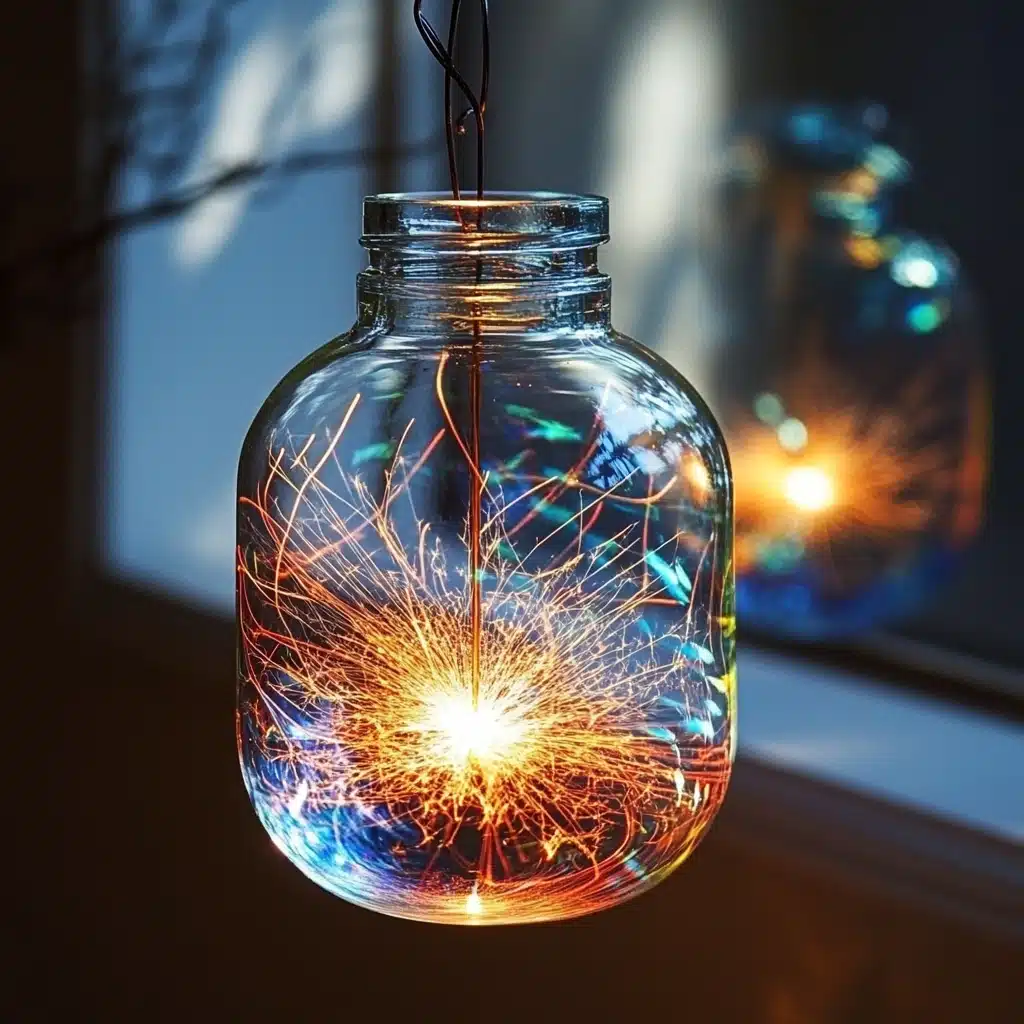
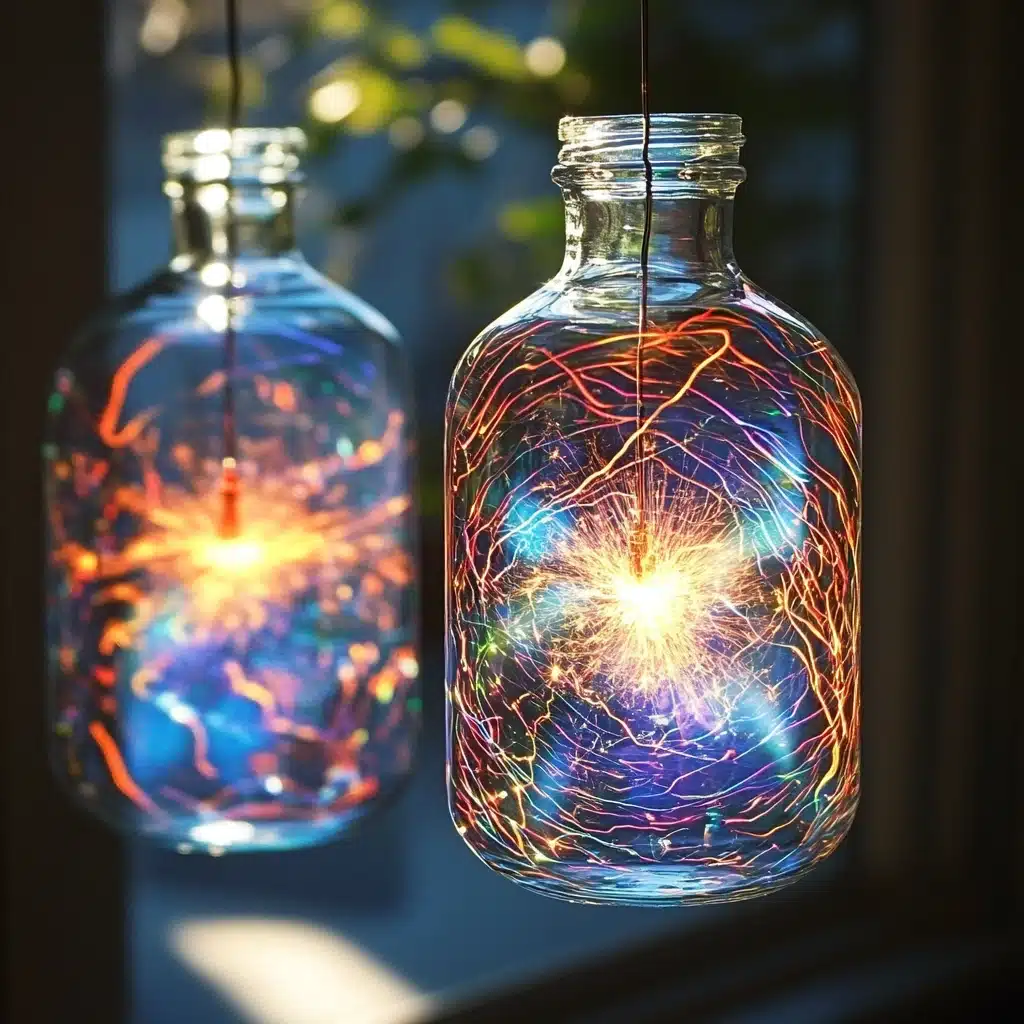
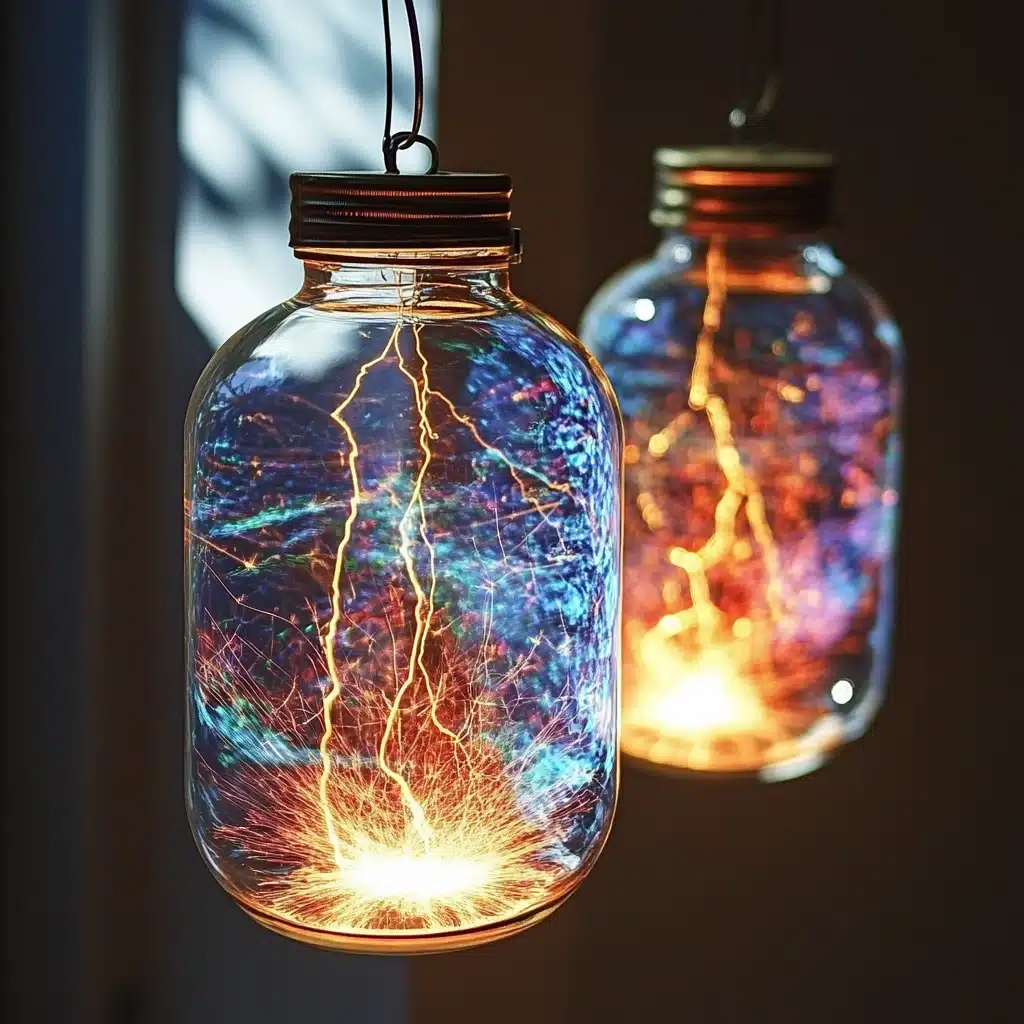
Are you ready to spark some magic right at home? Science can be thrilling, especially when it’s hands-on, simple, and visually spectacular. This Sparks in a Jar experiment offers exactly that — a dazzling way to explore static electricity using everyday household items. Imagine watching tiny strips of aluminum foil dance and shimmer inside a clear jar, all triggered by invisible forces generated by rubbing a balloon or a plastic comb on wool. It’s like capturing electricity in a jar — a perfect blend of education and fun for kids, families, and curious minds of all ages.
Static electricity is one of the most fascinating natural phenomena, yet it’s surprisingly easy to demonstrate at home with just a few supplies. This project not only teaches basic physics concepts but also sparks creativity and hands-on learning. Whether it’s a rainy day activity, a science class project, or just a weekend experiment to wow your family, Sparks in a Jar is guaranteed to entertain and educate.
In this detailed guide, we’ll walk you through the why, how, and even the science behind the experiment. Plus, you’ll find handy tips to customize and enhance your setup, and answers to common questions that may pop up. Let’s dive in and light up your learning!
Why You’ll Love This Experiment
Static electricity is invisible — but its effects are anything but! This experiment offers a visual and interactive way to see electric charges in action. Watching the aluminum foil strips inside the jar leap and twirl creates an instant “wow” moment that kids and adults alike will love.
Here’s why this simple science project stands out:
- Hands-on and Easy: Requires basic household items and minimal prep, so it’s accessible for all ages and skill levels.
- Educational and Fun: Teaches principles of static electricity, electrical charge, and physics through engaging play.
- Safe and Non-Toxic: No chemicals or complicated procedures, making it perfect for home or classroom.
- Customizable: You can tweak the experiment by changing materials or adding new elements for deeper exploration.
- Encourages Curiosity: Inspires kids to ask questions, experiment, and learn through discovery.
Not just a science experiment, this activity also builds fine motor skills, patience, and focus — all while delivering an exciting visual experience.
Ingredients
Here’s exactly what you’ll need to create your own Sparks in a Jar:
- Clear glass jar with lid: A clean, transparent jar allows you to see the magic inside clearly.
- Balloon: Helps generate static electricity when rubbed.
- Wool cloth or sweater: The perfect material to rub against the balloon and comb to build up static charge.
- Small strips of aluminum foil: Lightweight pieces that will react to the static charge and “dance” inside the jar.
- Plastic comb: Adds an extra element to create sparks and demonstrate static buildup.
- Tape: To secure the foil strips inside the jar.
Necessary Tools
Besides the ingredients, you will also need:
- Scissors: For cutting aluminum foil into small strips.
- Optional: Tweezers to place foil strips inside the jar neatly.
- Flat surface: A steady table or countertop to conduct the experiment safely.
Ingredient Swaps and Additions
Don’t have exactly these items? No worries! Here are some alternatives and ways to customize your experiment:
- Instead of a glass jar, you can use a clear plastic container or even a large, clear cup—just make sure it’s transparent and clean.
- Aluminum foil strips can be replaced with other lightweight, static-sensitive materials such as tissue paper scraps or small pieces of plastic wrap.
- Swap the balloon for a PVC pipe or ruler, which also generate static when rubbed.
- If you don’t have wool, try rubbing with synthetic fleece, cotton fabric, or even your hair (though results may vary).
- For a colorful twist, try spraying the aluminum foil strips with a little washable paint or glitter before taping them inside the jar.
- Use a styrofoam plate instead of a comb for different static effects.
Step-by-Step Instructions
Follow these easy steps to create your own sparks in a jar:
Step 1: Prepare Your Jar
Start by cleaning your glass jar thoroughly and drying it completely. Cut small strips of aluminum foil—about 1 to 2 inches long and very thin. Tape these strips inside the jar’s bottom and sides so they can move freely but stay in place.
Step 2: Charge the Balloon
Rub the balloon vigorously on the wool cloth or sweater for about 30 seconds. This action transfers electrons, creating static electricity on the balloon’s surface.
Step 3: Create Sparks
Bring the charged balloon close to the jar’s opening—be careful not to touch the glass or foil strips. As the static electricity builds, the foil strips will begin to jump and dance inside the jar. Observe how they move away and towards the balloon as it influences the static field.
Step 4: Add More Spark with the Comb
Rub the plastic comb against the wool cloth to generate static charge, then bring it near the jar’s opening. The comb adds extra static electricity and may cause even more movement in the foil strips.
Step 5: Enjoy and Experiment
Try moving the balloon or comb around the jar, varying the distance and speed, to see how it changes the foil’s movement. Experiment with different materials or jar sizes to discover new effects.
Pro Tips for Success
- Use dry materials—moisture reduces static electricity, so make sure your wool cloth and balloon are dry.
- Avoid touching the jar once the foil strips are taped inside to keep them free and mobile.
- Rub the balloon or comb vigorously but carefully—longer rubbing builds more static charge.
- Hold the balloon or comb close enough to influence the foil but avoid direct contact, which can dissipate the charge.
- Try doing the experiment in a low-humidity environment or during dry weather for best results.
- Have a camera ready—the dancing foil strips make for some impressive photos and videos!
Serving Suggestions
While this isn’t a food recipe, you can serve up this science experiment in various fun ways:
- Science party activity: Host a mini science party and let kids take turns charging the balloon and watching the sparks fly.
- Classroom demonstration: Use it as a hands-on lesson on electricity and physics principles.
- Home learning: Incorporate it into homeschooling or weekend learning routines.
- Family fun: Make it a weekend project to bond and spark curiosity.
- Gift idea: Package the materials and instructions as a DIY science kit for kids.
Storing and Reheating
Since this is a hands-on experiment, there’s no food to store or reheat—but you can store your jar with foil strips ready taped inside. Simply keep it in a dry place and reuse it whenever you want to wow the family again.
Nutritional Information
Not applicable for this science experiment. However, it offers mental nutrition through education, curiosity, and engagement!
FAQs
1. Why do the aluminum foil strips move when I bring the balloon close?
This happens because the balloon becomes charged with static electricity, creating an electric field that attracts or repels the lightweight foil strips.
2. Can I use plastic wrap or paper instead of aluminum foil?
Yes! Lightweight materials like tissue paper or plastic wrap can also react to static electricity, though the effect may be less dramatic.
3. What if the foil strips don’t move?
Check that your balloon or comb is properly charged by rubbing it more vigorously and ensure your environment isn’t too humid, which reduces static electricity.
4. Is this experiment safe for kids?
Absolutely! It uses household materials and involves no heat or chemicals, making it a safe and fun activity for children under adult supervision.
5. Can I make the sparks last longer?
Try experimenting with different materials or charging your balloon and comb longer. Performing the experiment in a dry room will also extend the effect.
Conclusion
The Sparks in a Jar experiment is a captivating blend of fun, education, and wonder — perfect for home, school, or family gatherings. It beautifully illustrates static electricity in an easy-to-understand, visually stunning way. Plus, it’s accessible, safe, and budget-friendly, making science exciting for everyone.
Try it today and watch your curiosity light up! Don’t forget to share your sparks and discoveries — science is best when shared.
Leave a Reply