



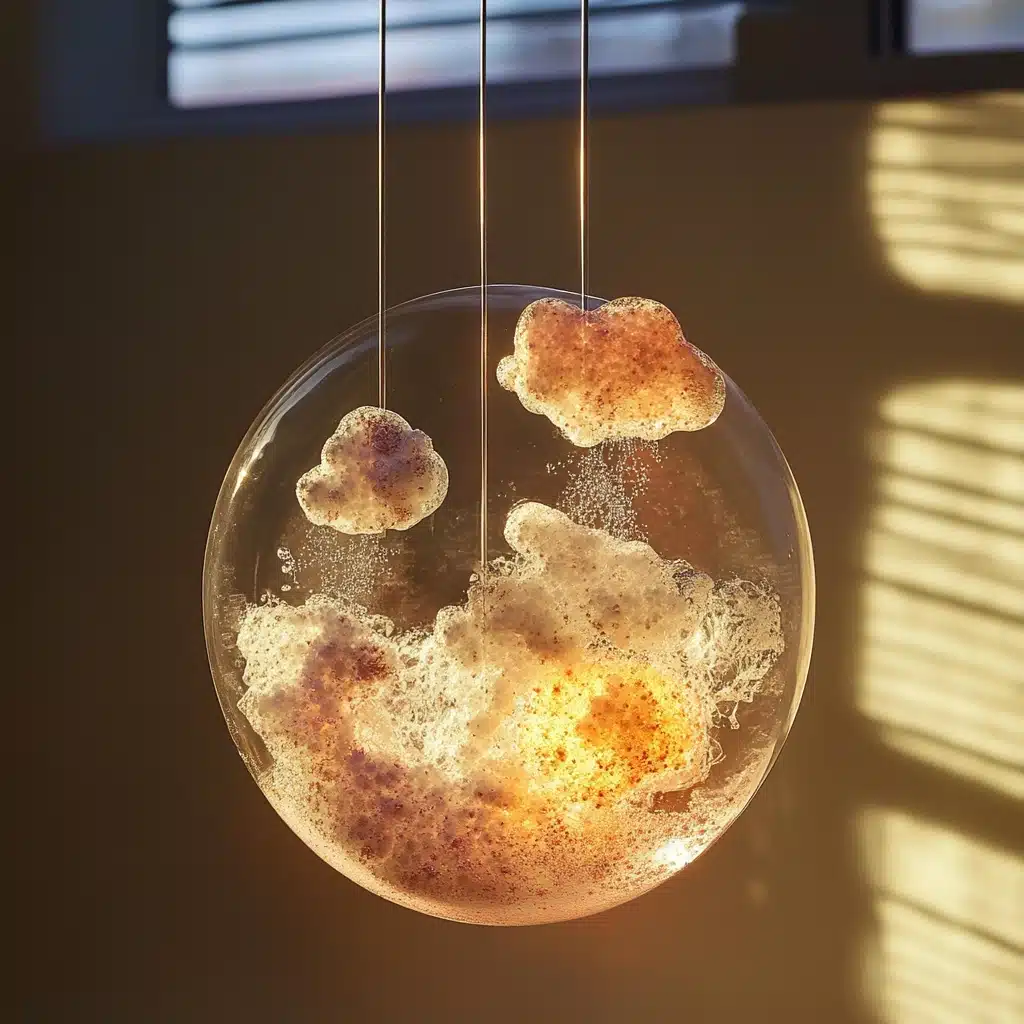
Introduction: Watch Science Come Alive with Fizzy, Sparkling Fun!
If you’ve ever wanted to turn your kitchen into a science lab filled with bubbling color, sparkles, and endless laughter, the Fizzy Explosion Experiment is the perfect place to start. This hands-on, fizzy science activity is not only wildly entertaining but also a brilliant introduction to chemical reactions for kids. Whether you’re planning a rainy day indoor adventure, a birthday party science corner, or a vibrant homeschool experiment, this fizzy fun will ignite curiosity and bring on the giggles. 🧪✨
With just a few pantry staples—baking soda, vinegar, food coloring, and glitter—you’ll create an erupting masterpiece that’s equal parts art and science. And the best part? It’s safe, affordable, and easily adaptable for all ages.
Let’s dive in and turn your home into a mini science carnival with this fizzy explosion project that both kids and adults will love.
Why You’ll Love This Fizzy Explosion Experiment
There’s something magical about watching colorful fizz bubble up and overflow in a burst of glittery foam. Here’s why you and your kids will fall in love with this experiment:
- Educational and Entertaining: Combines science, art, and hands-on play.
- Easy to Set Up: Uses simple ingredients found in most kitchens.
- Safe for All Ages: Gentle enough for toddlers with supervision, yet exciting for older kids.
- Customizable: Change up the colors, add new textures, or turn it into a competition.
- Great for Group Activities: Perfect for classrooms, birthday parties, or family bonding.
Whether you’re exploring early chemistry concepts or just having fun with fizz and sparkle, this activity is an irresistible crowd-pleaser.
Ingredients: Simple Supplies with a Big Wow Factor
To create your fizzy masterpiece, gather the following ingredients:
- 2–3 tablespoons baking soda
- ½ cup vinegar
- 6–7 drops of food coloring (any colors you love)
- 1–2 teaspoons of blue glitter (or mix in other colors for extra pop!)
- 1 tall vase or glass jar
- 1 shallow tray or baking dish (to catch the overflow)
- Optional add-ins:
- Dish soap (for extra foam)
- Salt or pepper (adds texture and changes fizzing behavior)
- Dry spaghetti (for fun, unpredictable movement)
These everyday items come together to create a stunning visual and scientific experience.
Necessary Tools
Keep your experiment fun and mess-free with the right tools:
- Tall, narrow vase or glass jar: Helps the reaction shoot upward for that dramatic explosion.
- Tray or pan: Essential for catching spills and containing the mess.
- Measuring spoons and cup: For accuracy and easy cleanup.
- Stirring stick or spoon (optional): Great if you want to experiment with stirring during the reaction.
- Aprons or old T-shirts: This gets fun and messy!
Ingredient Swaps and Additions: Customize the Science
Make this experiment your own with these clever substitutions and enhancements:
- Instead of glitter: Use biodegradable confetti or edible sprinkles for eco-friendly or toddler-safe play.
- Instead of food coloring: Try liquid watercolor paints for richer, more vibrant hues.
- No baking soda? Use washing soda (sodium carbonate) for an even bubblier effect (with adult supervision).
- Add dish soap: This adds foam and stretches out the eruption for a longer reaction.
- Want it scented? Add a drop of essential oil to make your fizz smell fantastic!
Encourage your kids to test different combinations and keep track of their observations. It’s science and sensory exploration!
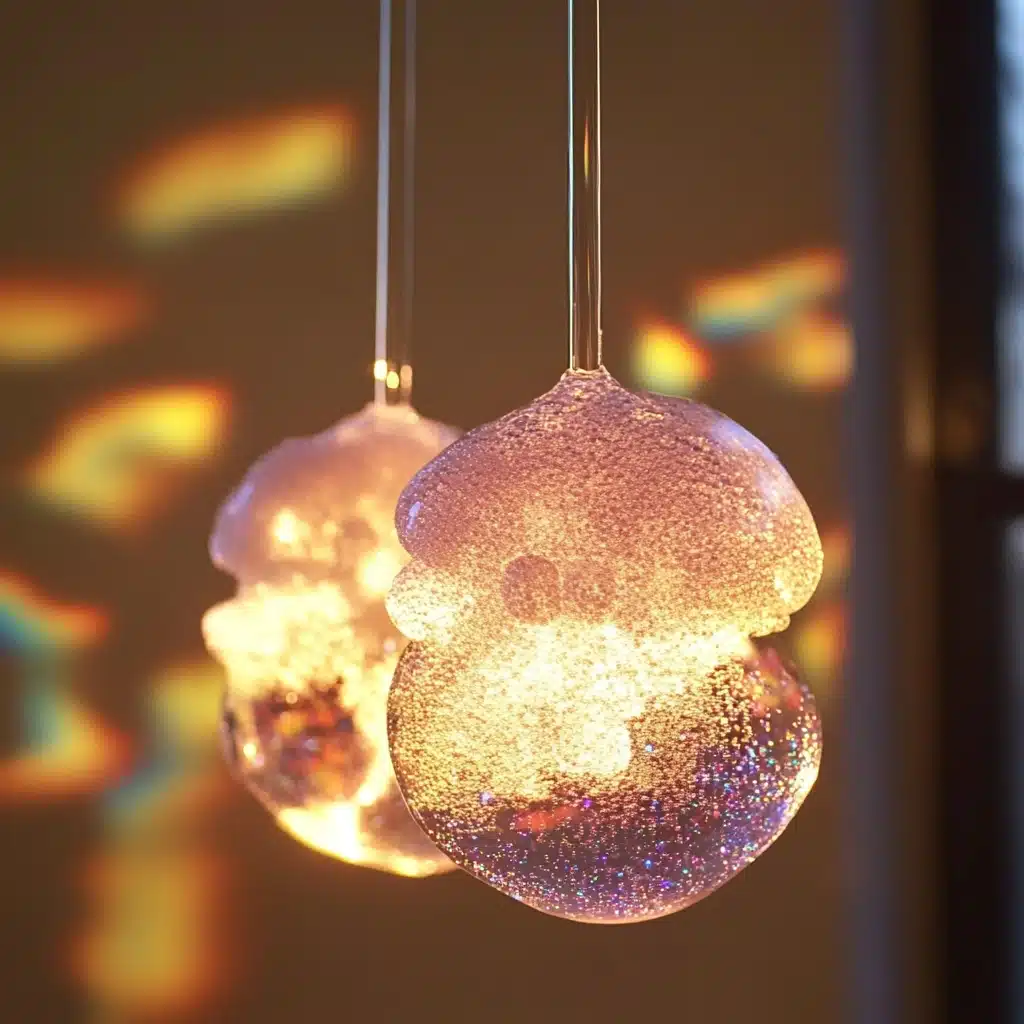
Step-by-Step Instructions
Follow these simple steps to make your fizzy explosion a success:
Step 1: Prepare Your Workspace
- Place the tall vase or glass in a tray or shallow baking pan. This helps catch any overflow and keeps things tidy.
Step 2: Add Baking Soda
- Scoop 2–3 tablespoons of baking soda into the bottom of your vase. Gently shake or tap to level it out.
Step 3: Add Color and Sparkle
- Drop in 6–7 drops of food coloring (you can mix colors for cool effects).
- Sprinkle in 1–2 teaspoons of glitter for extra dazzle.
Step 4: Optional Add-Ins
- Toss in a few grains of salt or pieces of uncooked spaghetti for visual variety.
- A small squirt of dish soap can intensify the bubbling action!
Step 5: Time for the Eruption!
- Quickly pour in ½ cup of vinegar and step back! Watch as the fizzy, glittery reaction shoots upward and spills over with vibrant foam.
Step 6: Repeat and Explore
- Try different color combinations or ingredients. Add more baking soda or vinegar and observe how the reaction changes!
Pro Tips for Success
- Use warm vinegar for a more vigorous reaction.
- Let kids measure and pour to sneak in math and fine motor skills practice.
- Don’t stir too soon—let the fizzing happen naturally first!
- Do it outdoors or lay down newspaper for easier cleanup indoors.
- Use a dropper to add vinegar in small amounts and prolong the experiment.
Want to take it further? Turn it into a mini science fair: have kids hypothesize which combinations create the biggest fizz and test them out!
Serving Suggestions
Okay, this isn’t an edible recipe—but the “serving” can still be amazing! Here’s how to make the most of your fizz:
- Create a “Fizz Station”: Set up multiple jars with different glitter and color combos for a sensory science party.
- Make Science Journals: Let kids draw what they see before and after the reaction.
- Add a Countdown: Build excitement by counting down before pouring the vinegar.
- Make It Themed: Try “volcano lava,” “ocean bubble,” or “rainbow potion” versions with matching colors and glitter!
Storing and Reheating? Not Quite—But Here’s How to Reset!
This isn’t a project you’ll want to save for later—but you can reset and repeat:
- Clean out the vase between reactions with warm water and dish soap.
- Reuse the tray as long as it’s not too messy.
- Store leftover materials in sealed containers for next time.
Got leftover vinegar or baking soda? Use it to clean your sink or freshen drains—a fun way to keep the science going!
Nutritional Information
Since this isn’t food, let’s shift gears and look at the educational “nutrition” of this activity:
- 🧠 STEM Skills: Teaches chemical reactions and cause-and-effect.
- 🎨 Creativity: Encourages color mixing and artistic expression.
- 🤲 Fine Motor Skills: Measuring, pouring, scooping.
- 🗣️ Communication: Great for practicing scientific discussion and observation.
- 😍 Emotional Joy: The excitement and satisfaction of hands-on learning.
FAQs
1. Is this experiment safe for toddlers?
Yes! Just supervise closely—don’t let little ones eat the materials, and opt for edible glitter or skip it entirely for young children.
2. Can I use apple cider vinegar instead of white vinegar?
You can, but the darker color may affect how vibrant your fizz looks. White vinegar works best visually.
3. How do I make the fizz last longer?
Add a few drops of dish soap and use warm vinegar. Pour slowly or use a dropper for a slow-release eruption!
4. Can I reuse the glitter and baking soda?
Nope—once it reacts, it’s used up. But you can start a new batch with fresh ingredients!
5. What kind of container works best?
A tall, narrow glass like a vase creates the best explosion effect, but mason jars or clear cups work well too.
Conclusion: Make Learning a Blast!
The Fizzy Explosion Experiment is more than just a mess—it’s a moment of joy, a gateway to scientific curiosity, and a memory-maker. Whether your child is a budding chemist or just loves glitter and goo, this DIY activity is sure to inspire and educate. And when learning is this much fun, it sticks.
So gather your supplies, roll up those sleeves, and prepare for a sparkling, fizzing adventure that your family will never forget. ✨💥
Leave a Reply