







1. Wearing the Wrong Footwear
The Hidden Danger Under Your Feet
Many older adults focus on medications, exercise, and diet but overlook one of the most important factors affecting balance: footwear.
What you wear on your feet influences every step you take.
Unfortunately, many popular choices provide little protection.
Common offenders include:
- Backless slippers
- Flip-flops
- Loose sandals
- Worn-out sneakers
- Smooth-soled shoes
- Socks on hardwood floors
These options often lack stability, traction, and support.
Even a small slip can result in a serious injury.
Why Poor Footwear Increases Fall Risk
Shoes help provide:
- Stability
- Shock absorption
- Grip
- Alignment
- Joint support
Without proper support, the body must work harder to maintain balance.
Slippery soles can increase the risk of unexpected slips.
Loose shoes can catch on surfaces or cause stumbling.
Poor arch support may contribute to foot pain, making walking less stable.
Better Footwear Choices
The safest shoes generally include:
- Closed toes
- Low heels
- Non-slip rubber soles
- Firm heel support
- Good arch support
- Proper fit
Athletic walking shoes are often excellent choices.
Supportive shoes should be worn indoors as well as outdoors.
Many falls happen inside the home, particularly in bedrooms, bathrooms, and kitchens.
Simple Tip
If a shoe bends completely in half when you squeeze it, it may not provide adequate support for daily use.
2. Skipping Strength and Balance Exercises
Balance Is a Skill
Many people assume balance is something you’re either born with or lose naturally with age.
In reality, balance behaves much like strength.
If you stop using it, you lose it.
The body’s balance system depends heavily on muscle strength.
When muscles weaken, stability declines.
The Muscles Most Important for Balance
Several muscle groups play particularly important roles:
Calves
Help maintain stability while standing and walking.
Quadriceps
Support standing, climbing stairs, and getting up from chairs.
Glutes
Provide hip stability and improve walking mechanics.
Core Muscles
Support posture and reduce swaying.
When these muscles weaken, even routine movements become more difficult.
The Consequences of Inactivity
Many older adults become less active due to:
- Joint pain
- Fear of falling
- Retirement
- Health conditions
- Lifestyle changes
Unfortunately, inactivity accelerates muscle loss.
After age 50, muscle mass naturally declines each year.
Without regular activity, this decline can become significant.
Exercises That Improve Balance
The good news is that improvement can occur at any age.
Simple exercises include:
Heel-to-Toe Walking
Walk as though on a tightrope, placing one foot directly in front of the other.
Sit-to-Stand Practice
Stand up from a chair without using your hands.
Repeat several times.
Single-Leg Stands
Hold onto a countertop and lift one foot briefly.
Alternate sides.
Side Leg Raises
Strengthen hips and improve stability.
Tai Chi
Research consistently shows tai chi reduces fall risk and improves balance.
Senior Yoga
Improves flexibility, coordination, and body awareness.
Even 10 to 15 minutes several times per week can produce meaningful improvements.
3. Ignoring Vision Changes
Your Eyes Are Part of Your Balance System
Many people think balance depends only on muscles and the inner ear.
In reality, vision plays a critical role.
Your eyes help your brain understand:
- Position
- Distance
- Movement
- Surface changes
- Obstacles
When vision changes occur, balance often suffers.
Common Age-Related Vision Changes
As people age, they may experience:
- Reduced depth perception
- Decreased contrast sensitivity
- Cataracts
- Glaucoma
- Macular degeneration
- Poor night vision
Even mild changes can affect mobility.
The Problem With Outdated Glasses
Many older adults delay eye exams.
They gradually adapt to worsening vision without realizing how much it affects their balance.
Outdated prescriptions can make:
- Curbs harder to judge
- Stairs more dangerous
- Uneven sidewalks more difficult to navigate
Bifocals and Progressive Lenses
Although useful for daily tasks, multifocal lenses can sometimes distort the appearance of steps and surfaces.
This is particularly important when:
- Walking outdoors
- Using stairs
- Navigating unfamiliar environments
Some individuals benefit from separate distance glasses specifically for walking.
Improving Visual Safety
Simple changes include:
- Annual eye examinations
- Brighter lighting
- Night lights
- Reduced glare
- High-contrast stair markings
Good vision contributes significantly to safer movement.
4. Overlooking Medication Side Effects
A Frequently Missed Cause of Falls
Many older adults take multiple medications.
Each medication may be necessary and beneficial.
However, some can affect balance.
The risk increases when several medications are combined.
Medications That May Affect Stability
Common categories include:
Blood Pressure Medications
May cause dizziness or sudden drops in blood pressure.
Sleep Aids
Can impair alertness and coordination.
Sedatives
May increase drowsiness and reaction time.
Antidepressants
Some may contribute to dizziness or balance changes.
Antihistamines
Certain allergy medications cause sedation.
Diabetes Medications
Low blood sugar episodes can affect balance and awareness.
Symptoms to Watch For
Potential warning signs include:
- Dizziness
- Lightheadedness
- Fatigue
- Blurred vision
- Confusion
- Unsteadiness
The Importance of Medication Reviews
Many pharmacies and healthcare providers offer medication reviews.
Ask questions such as:
- Could any medications affect balance?
- Are there safer alternatives?
- Should timing be adjusted?
Never stop medications without professional guidance.
However, reviewing them regularly can identify preventable risks.
5. Living in a Cluttered or Poorly Lit Home
Home Is Where Many Falls Occur
People often associate falls with outdoor hazards.
Surprisingly, many occur inside the home.
The reason is simple.
People feel comfortable and lower their guard.
Unfortunately, everyday household items can create unexpected dangers.
Common Home Hazards
Examples include:
Throw Rugs
A major cause of tripping.
Electrical Cords
Easy to overlook and difficult to step over safely.
Poor Lighting
Makes obstacles harder to detect.
Pet Toys
Small objects can become serious trip hazards.
Clutter
Books, shoes, and household items create obstacles.
Slippery Bathrooms
Wet surfaces significantly increase fall risk.
Improving Home Safety
Fortunately, many solutions are inexpensive.
Remove or Secure Rugs
Use non-slip backing or double-sided tape.
Install Grab Bars
Place them:
- Near toilets
- In showers
- By bathtubs
Improve Lighting
Ensure hallways, bedrooms, and bathrooms remain well lit.
Use Motion-Sensor Lights
Especially helpful for nighttime bathroom trips.
Clear Walkways
Keep floors free from clutter.
Mark Stair Edges
Contrasting tape improves visibility.
Add Shower Seating
A sturdy shower chair can increase safety dramatically.
Additional Factors That Affect Balance
Dehydration
Even mild dehydration can contribute to:
- Dizziness
- Weakness
- Lightheadedness
Older adults may experience reduced thirst sensation, making hydration especially important.
Poor Nutrition
Inadequate intake of:
- Protein
- Vitamin D
- Calcium
- B vitamins
can contribute to weakness and instability.
Hearing Loss
The inner ear helps regulate balance.
Hearing changes sometimes accompany vestibular changes that affect stability.
Chronic Health Conditions
Certain conditions may influence balance, including:
- Parkinson’s disease
- Stroke
- Arthritis
- Neuropathy
- Diabetes
- Heart disease
Regular medical care remains essential.
Building Better Balance Every Day
Improving balance doesn’t require dramatic changes.
Small actions performed consistently often produce the greatest benefits.
Consider these daily habits:
Morning Stretching
Improves mobility and flexibility.
Regular Walking
Strengthens muscles and supports coordination.
Staying Hydrated
Supports circulation and brain function.
Wearing Supportive Shoes
Protects stability.
Keeping Spaces Clear
Reduces unnecessary risks.
Reviewing Medications
Helps identify preventable problems.
Annual Eye Exams
Supports safer movement.
These habits build upon each other over time.
When to Seek Professional Help
Consult a healthcare provider if you experience:
- Frequent stumbling
- Repeated falls
- Dizziness
- Sudden balance changes
- Fainting
- Weakness
- Difficulty walking
A fall-risk assessment can identify causes and provide personalized recommendations.
Physical therapists, occupational therapists, and healthcare providers often help improve stability through targeted interventions.
Final Thoughts: Balance Is Built One Step at a Time
Balance isn’t something that disappears overnight.
More often, it fades gradually through a combination of small factors that accumulate over months and years.
The encouraging reality is that many of these factors are within your control.
The shoes you wear.
The exercises you perform.
The lighting in your home.
The medications you review.
The obstacles you remove.
Each decision contributes to your stability and independence.
Growing older does not mean surrendering confidence, mobility, or freedom.
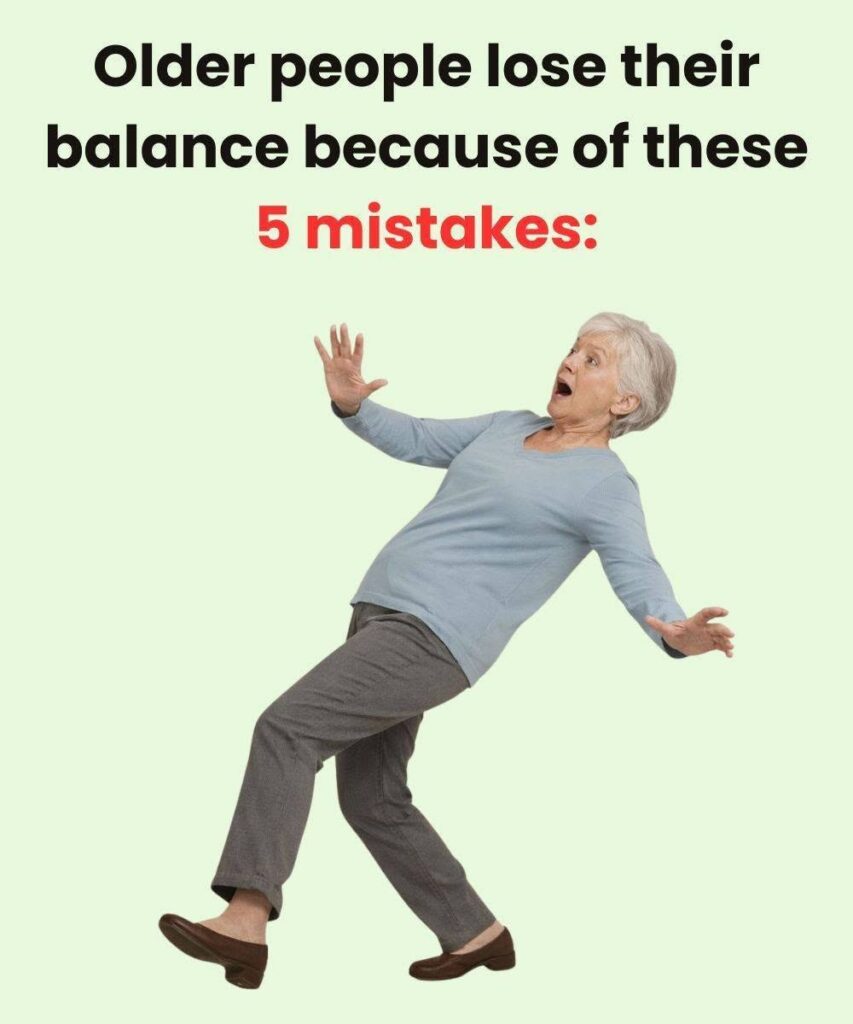
By addressing these five common mistakes, many older adults can improve their balance, reduce fall risk, and continue enjoying the activities they love.
Remember: balance is not simply about avoiding falls.
It’s about preserving independence, maintaining confidence, and continuing to live life on your own terms for as long as possible.
Every safe step begins with a simple choice—and it’s never too late to start.
You have not enough Humanizer words left. Upgrade your Surfer plan.
Leave a Reply