
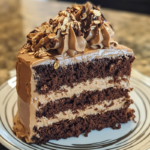

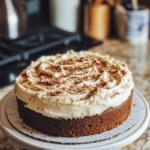
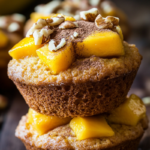




The 100-Year-Old Fruit & Nut Cake is a recipe built for patience, tradition, and deep flavor. Long before modern desserts focused on speed, this cake relied on slow baking, dense texture, and carefully chosen dried fruits and nuts. The result is a rich, sliceable cake that improves with time and feels just as special today as it did generations ago. The 100-Year-Old Fruit & Nut Cake is not light or fluffy. Instead, it is intentionally hearty, packed edge to edge with fruit, and designed to last.
Because this recipe skips chemical leavening and excess liquid, the texture stays firm and moist for weeks. Every slice delivers layers of sweetness, spice, and nutty richness. The 100-Year-Old Fruit & Nut Cake works beautifully for holidays, gifting, or simply honoring old-fashioned baking methods that still hold up today.
I first encountered a version of this cake through an old handwritten recipe card tucked inside a family cookbook. The instructions were brief, almost stern, and assumed the baker already knew what they were doing. When I finally made it, I understood why it had survived so long. The batter was heavy, the bake was slow, and the aroma filled the house for hours. After resting for a few weeks, the flavor was deeper than any modern cake I had tried. Since then, this 100-Year-Old Fruit & Nut Cake has become a tradition I return to whenever I want something meaningful and lasting.
Why This Cake Has Lasted for Generations
Built for Flavor, Not Speed
The 100-Year-Old Fruit & Nut Cake was designed in an era when baking was intentional and unhurried. Instead of relying on airiness, the structure comes from eggs, fruit, and nuts bound together with just enough batter. This creates a cake that slices cleanly and holds its shape for weeks.
Because the cake bakes at a low temperature, the sugars slowly caramelize without burning. This gentle heat allows the fruit to soften and meld with the spices. Over time, the flavors deepen, which is why the 100-Year-Old Fruit & Nut Cake actually improves after resting.
A Cake Meant to Be Stored
Unlike modern cakes meant to be eaten immediately, the 100-Year-Old Fruit & Nut Cake was created for long storage. Wrapped tightly and kept cool, it resists drying out thanks to the natural moisture in dried fruit. Traditional bakers often refreshed it with tea or juice, keeping it flavorful for months.
This longevity made the cake practical and valuable. It could be prepared ahead of holidays or special occasions without stress. That same benefit still applies today, making the 100-Year-Old Fruit & Nut Cake perfect for gifting or planning ahead.
Choosing the Right Fruits and Nuts
Dried Fruits That Matter
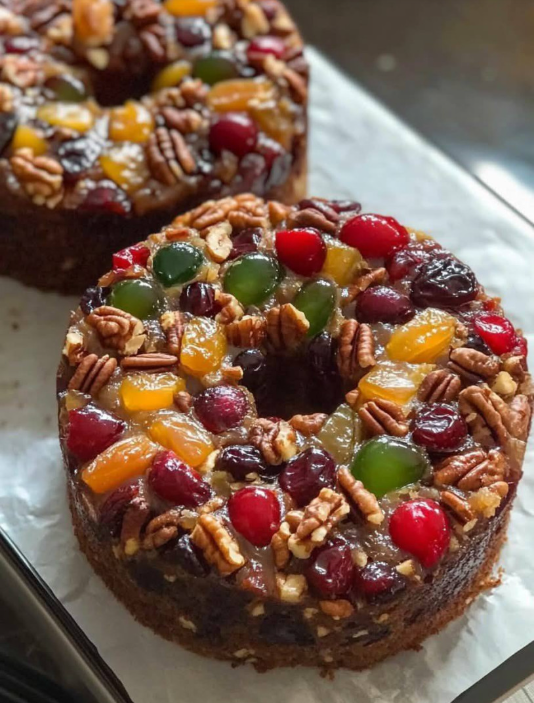
The heart of the 100-Year-Old Fruit & Nut Cake lies in its fruit. A mix of raisins, currants, chopped dates, dried cherries, and candied fruit creates complexity. Each fruit contributes a different level of sweetness and chew, which keeps every bite interesting.
Lightly coating the fruit in flour is essential. This simple step prevents sinking and ensures even distribution. Because the batter is dense, properly prepared fruit helps maintain balance throughout the cake.
Nuts for Texture and Depth
Pecans and walnuts are traditional choices for the 100-Year-Old Fruit & Nut Cake. They add richness and a subtle bitterness that offsets the sweetness of the fruit. Chopping them coarsely keeps their texture noticeable without overpowering the cake.
Fresh nuts matter more than quantity. Using quality nuts ensures the cake tastes clean and rich rather than stale. Because the cake rests for a long time, starting with good ingredients makes a noticeable difference.
Ingredients
Equipment
Method
- Combine dried fruit and nuts in a bowl. Sprinkle with flour and toss gently to coat.
- Whisk eggs, brown sugar, melted butter, vanilla, and tea or juice until smooth.
- Add wet mixture to fruit and nuts. Stir until combined. Mix in baking soda and spices.
- Press batter into a lined pan. Bake at 300°F for 2–2½ hours, covering loosely halfway.
- Cool completely, then wrap tightly in parchment and foil to rest and age.
Nutrition
Notes
Tried this recipe?
Let us know how it was!Mixing and Baking the Old-Fashioned Way
Creating the Heavy Batter
The batter for the 100-Year-Old Fruit & Nut Cake is intentionally thick. Eggs, brown sugar, melted butter, vanilla, and brewed tea or juice form the base. This liquid mixture binds the fruit rather than surrounding it.
Once combined, spices and baking soda are added gently. Overmixing is unnecessary and even undesirable. The goal is cohesion, not airiness. The finished batter should feel dense and packed, which signals that the cake will bake correctly.
Slow Baking for Best Results
Low and slow baking defines the 100-Year-Old Fruit & Nut Cake. A 300°F oven allows the cake to cook evenly without scorching the fruit or sugar. Because of its density, the cake requires patience, often baking for over two hours.
Covering the cake loosely halfway through prevents excessive browning. When done, the cake should feel firm but not dry. Cooling completely in the pan helps it settle and retain moisture before wrapping.
Resting, Storing, and Serving
Letting the Cake Mature
Resting transforms the 100-Year-Old Fruit & Nut Cake. Wrapped tightly in parchment and foil, it should be stored in a cool, dark place. Over time, the flavors meld and soften, creating a richer taste.
Some traditional methods involve brushing the cake lightly with brewed tea or fruit juice every few weeks. This step is optional but adds moisture and depth. Even without it, the cake improves noticeably after a few weeks.
Serving the Cake Today
When ready to serve, slice the 100-Year-Old Fruit & Nut Cake thinly. Because it is dense, small slices are satisfying. It pairs well with tea or coffee and needs no frosting or decoration.
This cake is about substance rather than show. Its appeal lies in history, flavor, and the quiet satisfaction of a recipe that has stood the test of time.
Frequently Asked Questions
Does this cake really improve with age?
Yes, resting allows flavors to deepen and texture to become more cohesive.
Can I substitute the fruits?
Yes, but keep the total volume the same for proper structure.
Is alcohol required for storage?
No, tea or fruit juice works well and keeps the recipe traditional.
How long does it keep?
Properly wrapped, it can last several months in a cool place.
Can it be frozen?
Yes, freezing works well and preserves flavor and texture.
Conclusion
The 100-Year-Old Fruit & Nut Cake is proof that some recipes do not need improvement. With simple ingredients, slow baking, and patience, this cake delivers depth and longevity that modern desserts rarely match. Whether you bake it for tradition, flavor, or curiosity, the 100-Year-Old Fruit & Nut Cake remains a timeless classic worth preserving.
Leave a Reply