







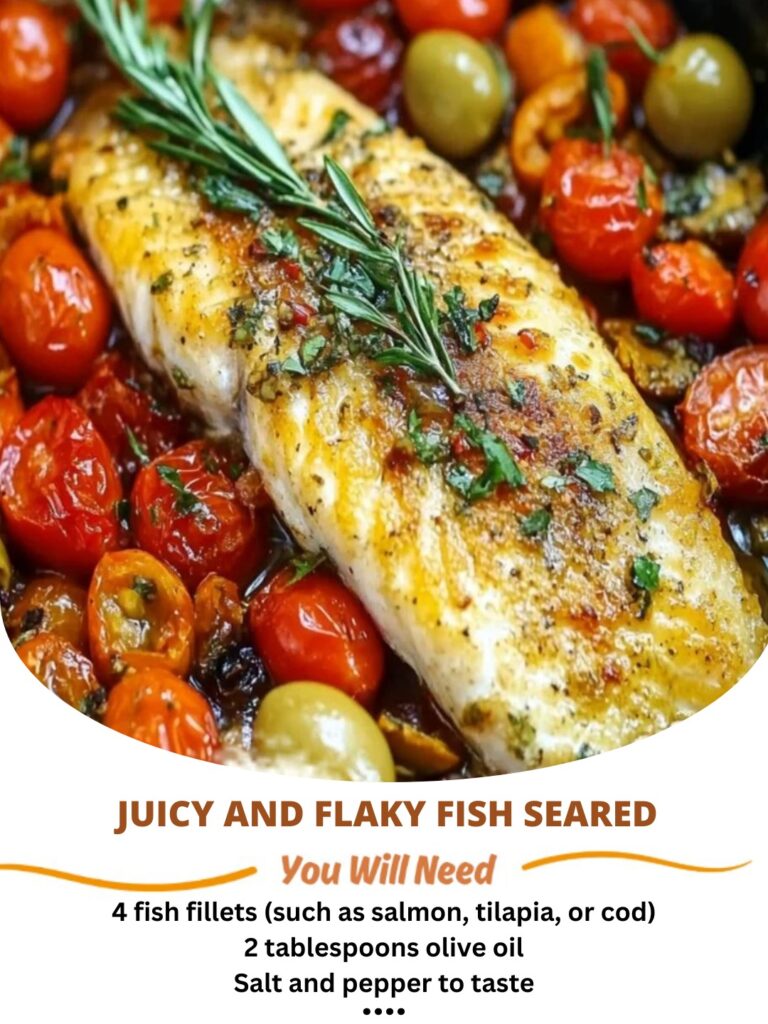
Juicy and Flaky Fish Seared is one of those recipes that proves simple cooking can deliver incredible results. With just a hot pan, quality fish, and a few seasonings, you can create a dish that feels restaurant-worthy while still being easy enough for a weeknight dinner. This method highlights the natural flavor of the fish, giving you crisp edges, tender flesh, and a clean, satisfying finish.
Because Juicy and Flaky Fish Seared cooks quickly and requires minimal prep, it’s ideal for busy evenings when you still want something wholesome and delicious. It works with nearly any type of fish and pairs effortlessly with vegetables, grains, or salads. Once you master this technique, it becomes a reliable go-to that never feels boring.
I first learned how to properly sear fish during a stretch when I was trying to eat lighter meals without giving up comfort. After a few attempts, I realized the key wasn’t fancy ingredients but patience and heat. Once I got it right, the fish turned out golden, flaky, and full of flavor every single time. Since then, this method has become my favorite way to cook fish at home.
Ingredients
Equipment
Method
- Pat fish fillets dry and season both sides with salt, pepper, and optional seasonings.
- Heat a skillet over medium-high heat and add oil once hot.
- Place fish in pan and cook undisturbed for 3–4 minutes until golden.
- Flip and cook 2–4 minutes until fish is opaque and flakes easily.
- Rest fish briefly, then garnish with lemon and herbs before serving.
Nutrition
Notes
Tried this recipe?
Let us know how it was!Why Pan-Seared Fish Is So Reliable
The Power of High Heat and Simplicity
Juicy and Flaky Fish Seared works because it relies on high heat and minimal handling. A hot pan creates immediate contact with the fish, which allows the surface to brown quickly while sealing in moisture. This contrast between crisp exterior and tender interior is what makes seared fish so appealing.
By keeping the seasoning simple, the natural flavor of the fish stays front and center. Salt and pepper enhance rather than mask, while optional spices add personality without overwhelming the dish. Because the cooking time is short, the fish stays juicy instead of drying out.
Another advantage of this method is consistency. Once you understand timing and heat, you can apply the same approach to salmon, cod, halibut, tilapia, or other fillets with confidence.
Texture That Feels Restaurant-Quality
A properly seared fish should release easily from the pan once it’s ready to flip. This ensures a golden crust rather than torn flesh. Inside, the fish remains opaque and flakes gently with a fork.
Resting the fish briefly after cooking allows the juices to redistribute, keeping each bite moist. This small step makes a noticeable difference in texture and overall quality.
Ingredients That Let the Fish Shine
Choosing the Right Fish
Juicy and Flaky Fish Seared starts with good-quality fillets. Look for fish that smells clean and mild, with firm flesh and a glossy surface. Skin-on fillets are ideal if you want extra flavor and protection during cooking, though skinless fillets work just as well.
Thicker fillets give you more room for error, especially if you’re new to searing. Thin fillets cook faster and require close attention to avoid overcooking.
Simple Seasonings That Work Every Time
Salt and pepper are essential, but optional seasonings allow you to customize the dish. Lemon zest brightens the flavor, garlic powder adds warmth, and paprika or cayenne introduces subtle heat. Dried herbs like thyme or dill add aroma without burning in the pan.
For serving, lemon wedges and fresh herbs add freshness and contrast. A light drizzle of olive oil at the end enhances richness without heaviness.
Step-by-Step Guide to Perfectly Seared Fish
Preparing the Fish Properly
Start by patting the fish dry with paper towels. This step is crucial because moisture prevents browning. Once dry, season both sides generously and let the fish rest briefly so the seasoning adheres.
While the fish rests, heat a large skillet over medium-high heat. A stainless steel or cast-iron pan works best for achieving a good sear. Add oil only once the pan is hot to prevent sticking.
Searing and Finishing
Place the fish in the pan and avoid moving it right away. Press gently to ensure even contact. After a few minutes, the fish will naturally release from the pan, signaling it’s ready to flip.
Flip carefully and cook just until the fish is opaque and flakes easily. Remove it from the pan and let it rest for a couple of minutes before serving. Finish with lemon juice, herbs, or a drizzle of olive oil.
Why This Cooking Method Works So Well
Science Behind the Sear
Juicy and Flaky Fish Seared relies on the Maillard reaction, which occurs when proteins and sugars brown at high heat. This reaction creates flavor and texture without requiring breading or heavy sauces.
Drying the fish beforehand prevents steaming, allowing the surface to brown properly. Cooking at medium-high heat ensures the exterior crisps quickly while the interior stays moist.
Avoiding Common Mistakes
Overcrowding the pan lowers the temperature and causes steaming. Cook in batches if needed. Overcooking dries out fish, so remove it as soon as it flakes easily.
Using enough oil prevents sticking, but too much oil can make the fish greasy. A thin, even coating is ideal.
Variations to Keep It Interesting
Flavor Twists to Try
For a citrus herb version, marinate the fish briefly in olive oil, lemon juice, and fresh herbs before cooking. For a smoky option, use a spice rub with paprika and garlic powder.
An Asian-inspired glaze made with soy sauce, honey, and ginger adds sweetness and depth when brushed on during the final minute. For taco night, flake the fish and serve it with slaw and lime crema.
Alternative Cooking Options
If your fillets are thick, you can finish them in the oven after searing. Simply transfer the pan to a preheated oven until the fish is cooked through. This ensures even doneness without burning the exterior.
Serving Ideas and Storage Tips
How to Serve Seared Fish
Juicy and Flaky Fish Seared pairs beautifully with roasted vegetables, rice, quinoa, or fresh salads. It also works well in bowls or wraps for a casual meal.
For special occasions, garnish with fresh herbs or microgreens for a polished presentation. Simple sides let the fish remain the star.
Storage and Leftovers
Store leftovers in an airtight container in the refrigerator for up to two days. Reheat gently in a skillet or oven to preserve moisture. Avoid microwaving if possible, as it can dry out the fish.
Frequently Asked Questions
Can I use frozen fish?
Yes, thaw it completely and pat it very dry before cooking.
Do I need a nonstick pan?
No, stainless steel or cast iron works best for searing.
How do I know when it’s done?
The fish should be opaque and flake easily with a fork.
Can I cook without skin?
Yes, just handle gently and watch the cooking time.
What oil works best?
Use a high-heat oil like olive or avocado oil.
Conclusion
Juicy and Flaky Fish Seared is a simple, reliable technique that delivers big results with minimal effort. With crisp edges, tender flesh, and endless customization options, this dish proves that great cooking doesn’t have to be complicated. Once you master this method, perfectly seared fish becomes an easy and satisfying part of your regular routine.
Leave a Reply