







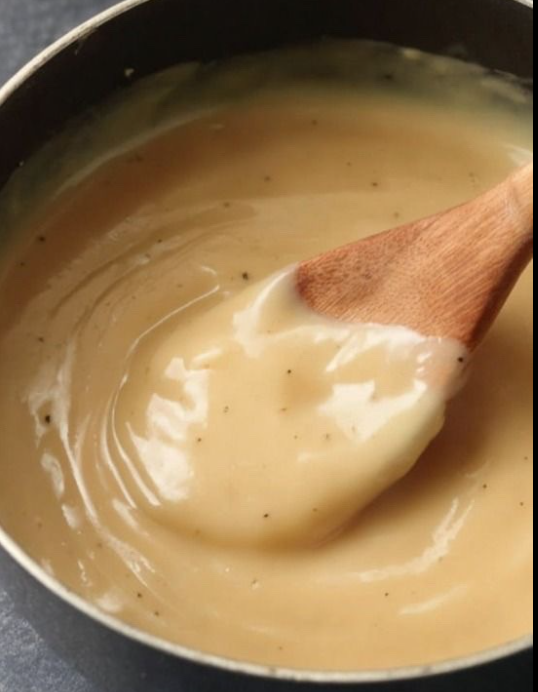
Homemade Turkey Gravy is the finishing touch that brings a Thanksgiving table together. Rich, silky, and packed with deep roasted flavor, this Homemade Turkey Gravy recipe transforms simple turkey drippings into something truly memorable. It’s the kind of gravy that soaks into mashed potatoes, coats stuffing perfectly, and makes every slice of turkey taste even better.
What sets homemade turkey gravy apart is its freshness and balance. Instead of tasting flat or overly salty, it reflects the flavors of your roast turkey. The drippings capture everything good from the pan—browned bits, herbs, and natural juices—creating a base that no store-bought version can replicate.
Every year, gravy is the part of the meal people worry about most, yet it’s often the simplest. I remember my first attempt feeling nervous as the roux bubbled in the pan. But once the stock went in and the gravy thickened, it felt almost magical. The aroma alone made the kitchen feel warm and festive. Since then, making gravy has become one of my favorite holiday rituals, and this method never fails.
Why Homemade Turkey Gravy Makes Such a Difference
Flavor Built from the Roast
Homemade turkey gravy starts where the turkey ends. Those browned drippings left behind in the roasting pan are concentrated flavor. When used properly, they give gravy a depth that feels hearty and comforting rather than heavy.
By scraping up the browned bits while whisking in the stock, you capture layers of savory taste that elevate the entire dish.
Control Over Texture and Seasoning
Making gravy at home allows you to adjust thickness, salt, and seasoning to your exact preference. Whether you like it pourable or luxuriously thick, homemade turkey gravy gives you full control.
It also lets you balance flavors naturally, instead of relying on excess salt or artificial enhancers.
Understanding the Key Components
Turkey Drippings as the Foundation
The drippings contain both fat and liquid. The fat is essential for creating the roux, while the liquid carries flavor. Separating them first ensures your gravy thickens smoothly without becoming greasy.
Even if your turkey produces limited drippings, supplementing with turkey stock keeps the gravy rich and cohesive.
The Roux That Does the Work
A roux is simply fat cooked with flour. In turkey gravy, it acts as the thickening agent and adds subtle nuttiness when cooked briefly. Cooking it just until lightly golden avoids a raw flour taste while keeping the gravy light in color.
Constant whisking during this step prevents lumps and ensures a smooth base.
Stock Brings It Together
Turkey stock or broth stretches the drippings into a full batch of gravy. Adding it gradually while whisking allows the roux to incorporate smoothly.
As the gravy simmers, it thickens naturally, creating that classic velvety texture.
Step-by-Step: How to Make Homemade Turkey Gravy
Collecting and Separating the Drippings
After roasting the turkey, carefully pour the drippings into a heatproof measuring cup. Let it sit for a few minutes so the fat rises to the top.
Spoon off about three tablespoons of fat and reserve it. This fat carries intense turkey flavor and forms the base of the gravy.
Building the Roux
Place the roasting pan directly over medium heat, or transfer the fat to a saucepan. Add the reserved fat and whisk in flour.
Cook for one to two minutes, stirring constantly. The mixture should turn lightly golden and smell slightly nutty.
Adding Stock and Thickening
Slowly pour in turkey stock while whisking continuously. This step is crucial for avoiding lumps.
As the mixture heats, it will begin to thicken. Let it simmer gently for several minutes, stirring often, until it reaches your desired consistency.
Seasoning for Balance
Season the gravy with salt and black pepper. Add herbs like thyme or sage if desired. A small pat of butter adds shine and richness, while a splash of wine can deepen the flavor.
Taste as you go. Because drippings vary, seasoning should always be adjusted at the end.
Optional Straining for Smoothness
For an extra-refined texture, strain the gravy through a fine-mesh sieve. This removes any small bits and results in a smooth, restaurant-style finish.
Ingredients
Equipment
Method
- Pour turkey drippings into a measuring cup and skim off 3 tablespoons of fat.
- Heat the fat in a pan over medium heat and whisk in flour. Cook until lightly golden.
- Gradually whisk in turkey stock and simmer until thickened.
- Season with salt, pepper, herbs, and butter if using.
- Strain if desired and serve warm.
Nutrition
Notes
Tried this recipe?
Let us know how it was!Common Gravy Problems and How to Fix Them
Too Thick
If the gravy thickens too much, whisk in additional warm stock or water until it loosens to the desired consistency.
Too Thin
Let the gravy simmer a little longer, stirring often. It will naturally thicken as moisture evaporates.
Lumpy Texture
If lumps form, whisk vigorously or strain the gravy. A quick blend with an immersion blender also works.
Flavor Variations to Try
Herb-Forward Gravy
Add fresh herbs like rosemary or thyme during the simmer for a fragrant finish.
Rich and Savory Version
Stir in a spoonful of pan-roasted onions or a splash of cream for extra depth.
Make-Ahead Option
Gravy can be made a day ahead using stock and finished with drippings just before serving.
How to Serve Homemade Turkey Gravy
Classic Pairings
Pour generously over sliced turkey, mashed potatoes, stuffing, and biscuits. Homemade turkey gravy ties all the flavors together on the plate.
Beyond Thanksgiving
This gravy also works beautifully with roasted chicken, meatloaf, or even fries.
Storage and Reheating Tips
Storing Leftovers
Store leftover gravy in an airtight container in the refrigerator for up to three days.
Reheating Smoothly
Reheat gently on the stove, whisking frequently. Add a splash of stock if it thickens too much.
Frequently Asked Questions
Can I make gravy without drippings?
Yes, use butter and turkey stock instead.
Why skim the fat first?
It prevents greasy gravy and ensures proper thickening.
Can I freeze turkey gravy?
Yes, freeze up to two months and reheat gently.
What flour works best?
All-purpose flour gives consistent results.
Is straining necessary?
No, but it creates a smoother texture.
Conclusion
Homemade Turkey Gravy is more than a side—it’s the element that completes the meal. With rich flavor from drippings, smooth texture from a well-made roux, and seasoning adjusted to taste, this gravy turns any holiday plate into something special. Once you master this method, you’ll never want to skip gravy again.
Leave a Reply